Mold in air ducts progresses through 5 distinct stages, from faint discoloration around air vents to thick black colonies inside the plenum. Early-stage signs of black mold in air vents include dark spots on vent covers, a musty smell when the HVAC runs, and slight discoloration on the ceiling around supply registers. Advanced mold appears as fuzzy growth on the evaporator coil or slimy buildup in the drain pan. Below, we show you what each stage looks like - including real before-and-after photos from Austin homes we have cleaned. If you see any of these signs, call (512) 601-4451 for an HD camera inspection.
What Mold Looks Like in Different Parts of Your HVAC
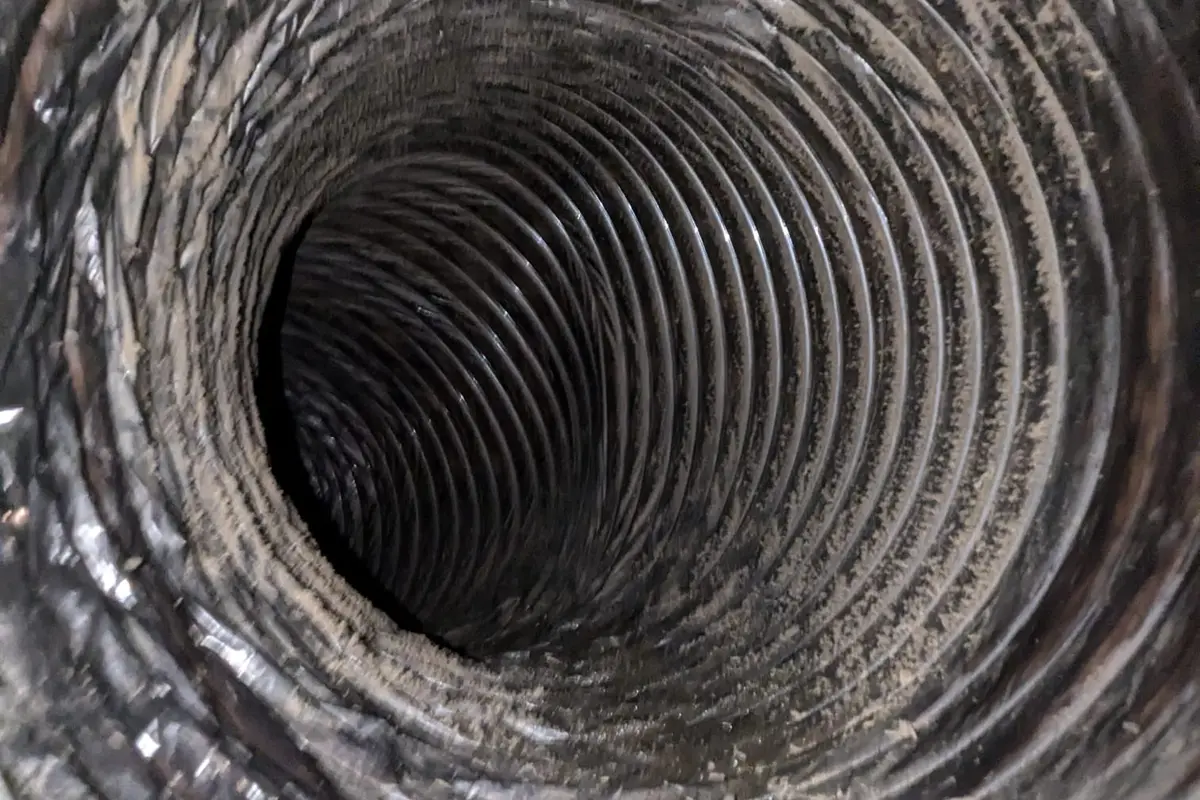
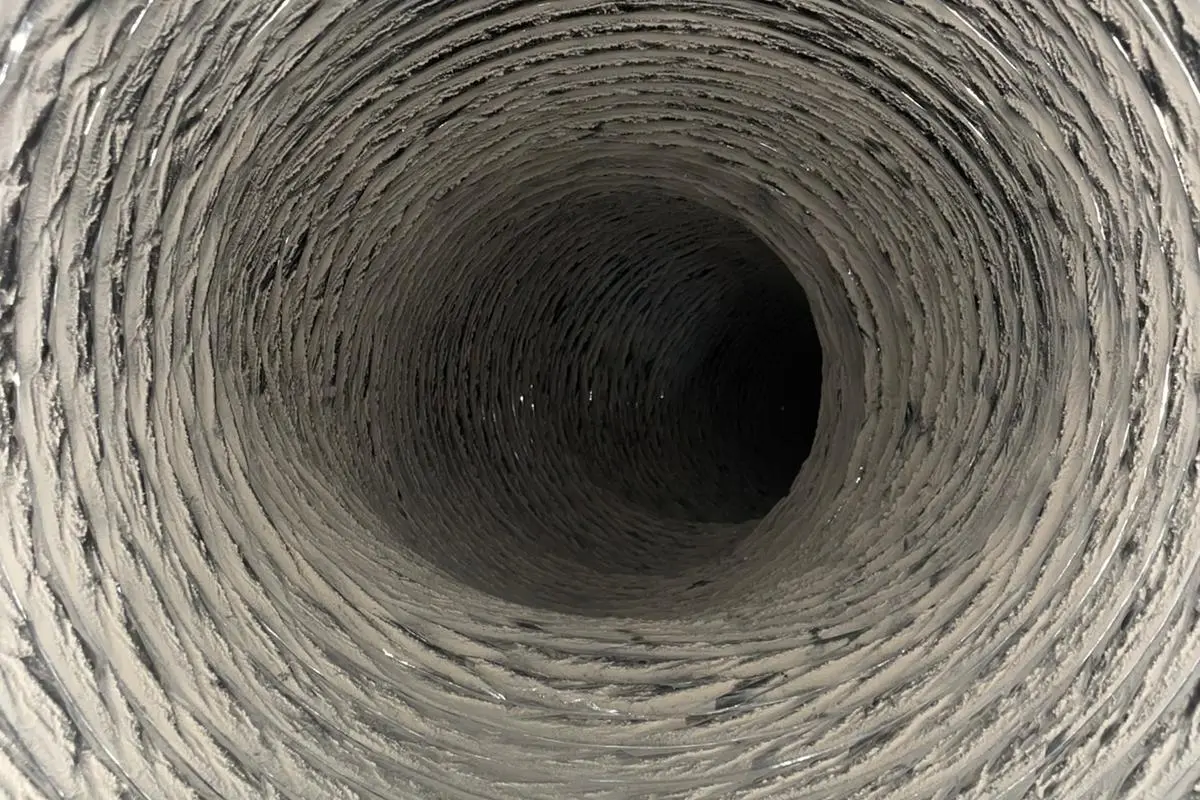
Mold appears differently depending on where it grows in your duct system. On metal duct surfaces, it typically shows as dark patches or spots - black, dark green, or brown - that cannot be wiped off easily. On the evaporator coil, mold appears as a fuzzy layer coating the fins, often green or white. In the drain pan, it looks like a slimy film, sometimes orange or pink. On flexible duct interior, mold appears as dark streaks following the ridges of the duct material.
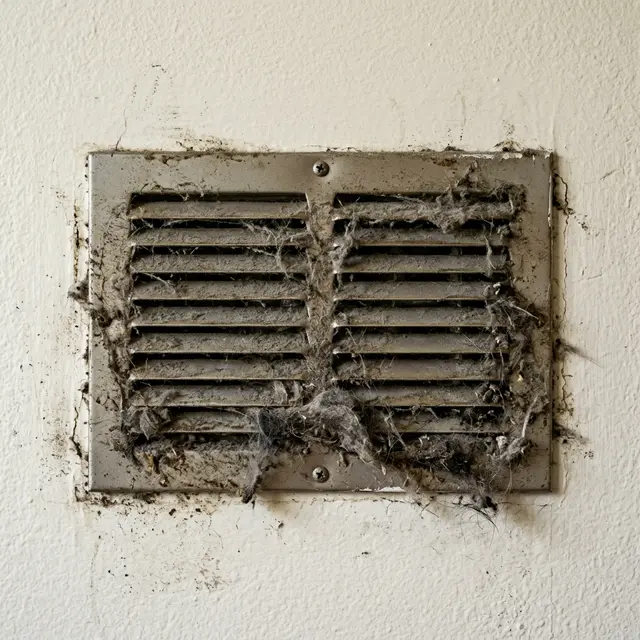
The most common place to see mold without opening your system is around the vent registers. Dark discoloration on the ceiling or wall immediately surrounding a supply vent often indicates mold growing just inside the duct opening, where cold conditioned air meets warm room air and creates a condensation zone. This is the first visible sign most Austin homeowners notice.
Early-Stage vs Advanced Mold Growth
Early-stage mold: light discoloration around vents, faint musty smell when HVAC runs, small dark spots on the backside of vent covers. At this stage, professional duct cleaning with HEPA filtration can remove the contamination and prevent spread. Most cases Air Central encounters in Austin homes are early-stage, caught because the homeowner noticed a musty odor.
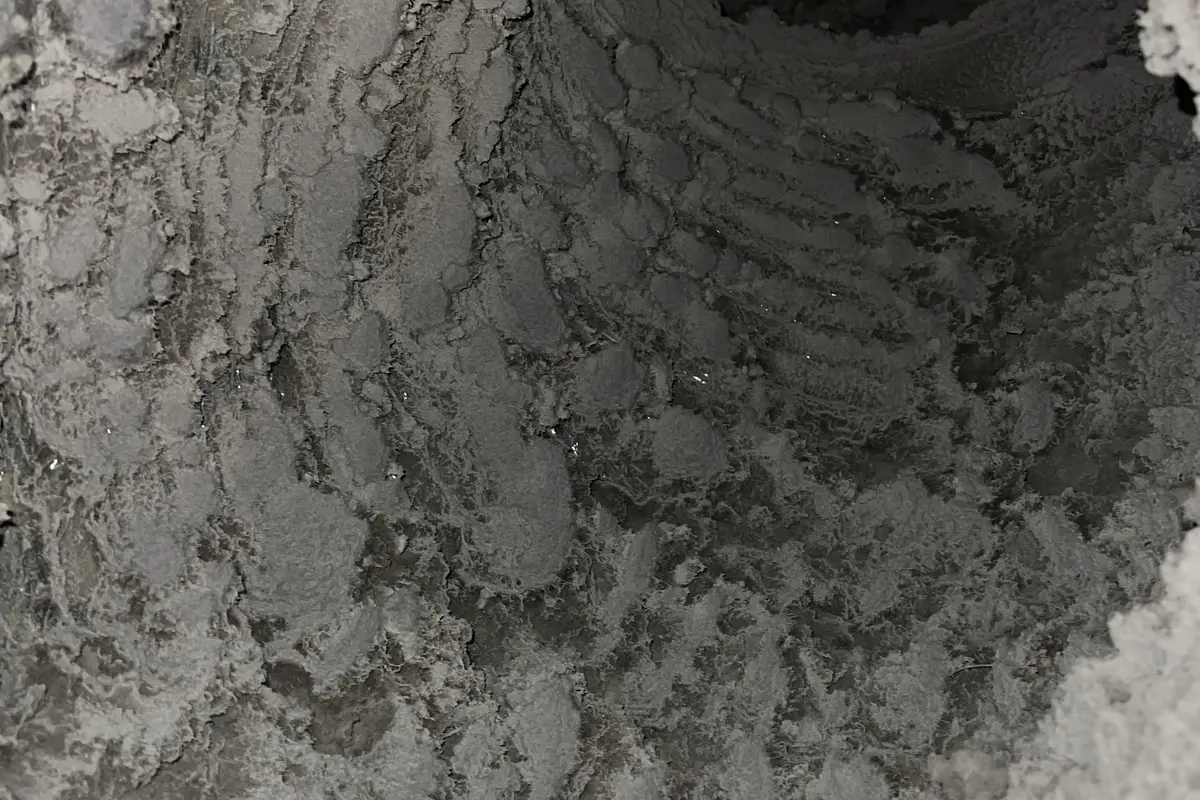
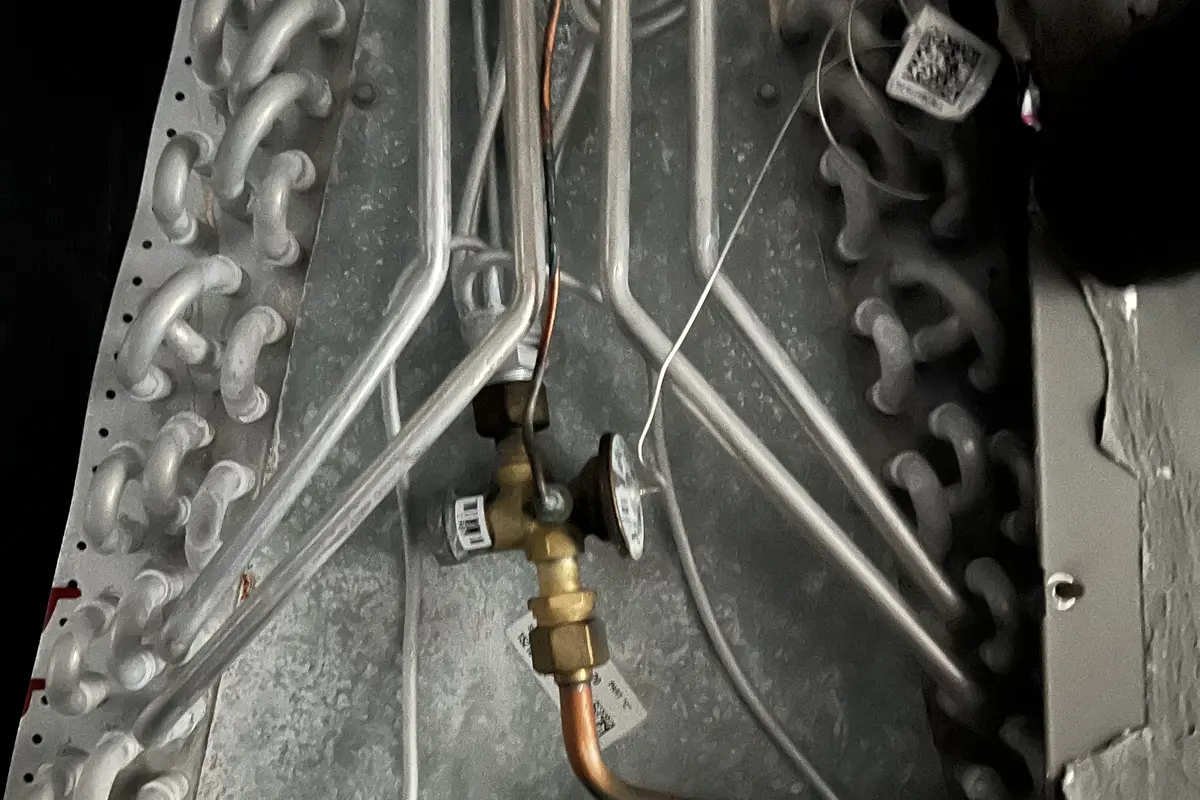
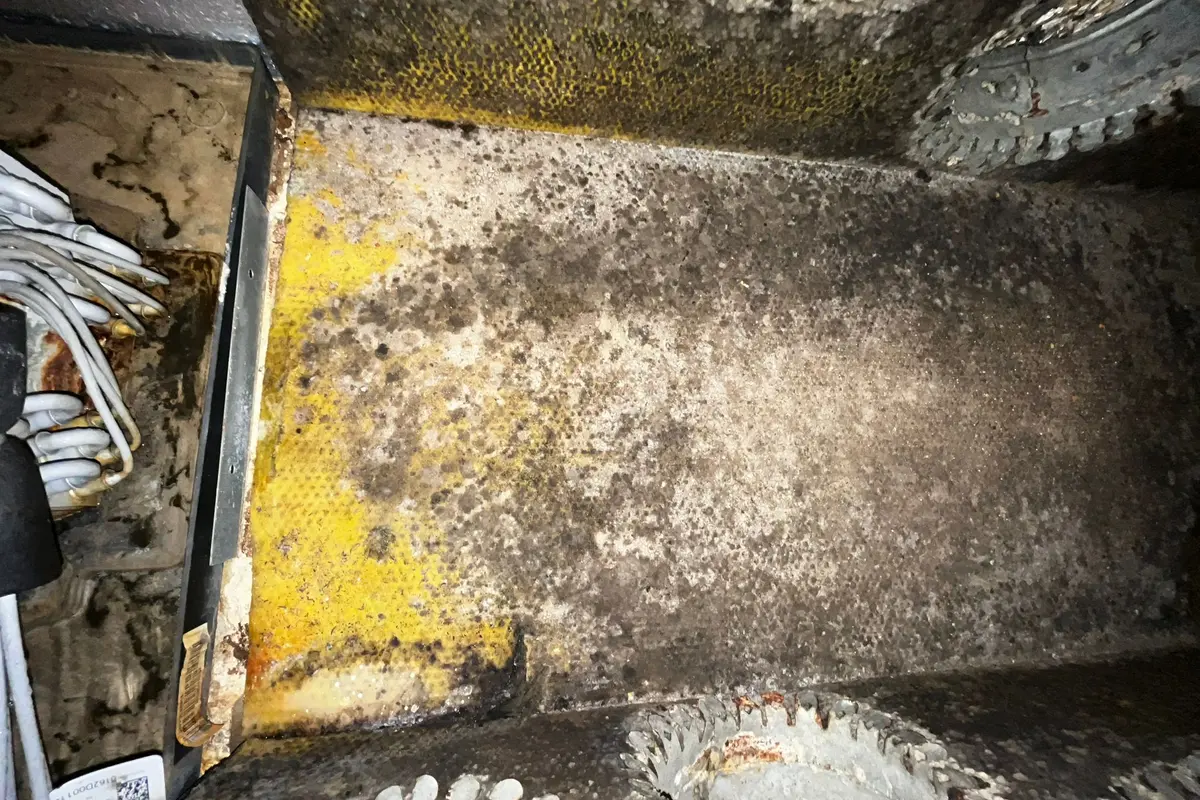
Advanced mold: thick fuzzy colonies visible inside the plenum or trunk lines, strong persistent musty or earthy odor, dark staining covering large areas of duct interior, visible growth on the evaporator coil fins. Advanced cases may require both professional duct cleaning and, if mold has penetrated porous materials like duct insulation, partial duct replacement. In severe cases involving water damage, a certified mold remediation specialist may be needed before duct cleaning.
Why Mold Grows in Austin Air Ducts
Austin's average humidity of 67% provides the moisture mold needs. Your evaporator coil generates condensation every cooling cycle. Dust and organic debris inside the ductwork provide food. The dark interior provides the ideal environment. When these three conditions align - moisture, food, darkness - mold can begin growing within 24-48 hours.
The most vulnerable areas: the evaporator coil and drain pan (constant moisture), the plenum box directly behind the coil (receives moisture-laden air), supply ducts closest to the air handler, and any duct runs in unconditioned attic space where temperature differentials cause condensation on the duct exterior that can migrate inward.
Health Implications of What You See
If you see mold on a vent cover only, the contamination may be localized. Clean the cover with diluted vinegar and monitor for return. If it comes back within a week, the source is inside the duct system.
If you see dark patches inside the duct opening (shine a flashlight in after removing the cover), the mold has colonized duct surfaces and is being distributed through your home with every HVAC cycle. The EPA identifies mold exposure as a trigger for allergic reactions, asthma attacks, and respiratory infections. At this point, professional cleaning is needed.
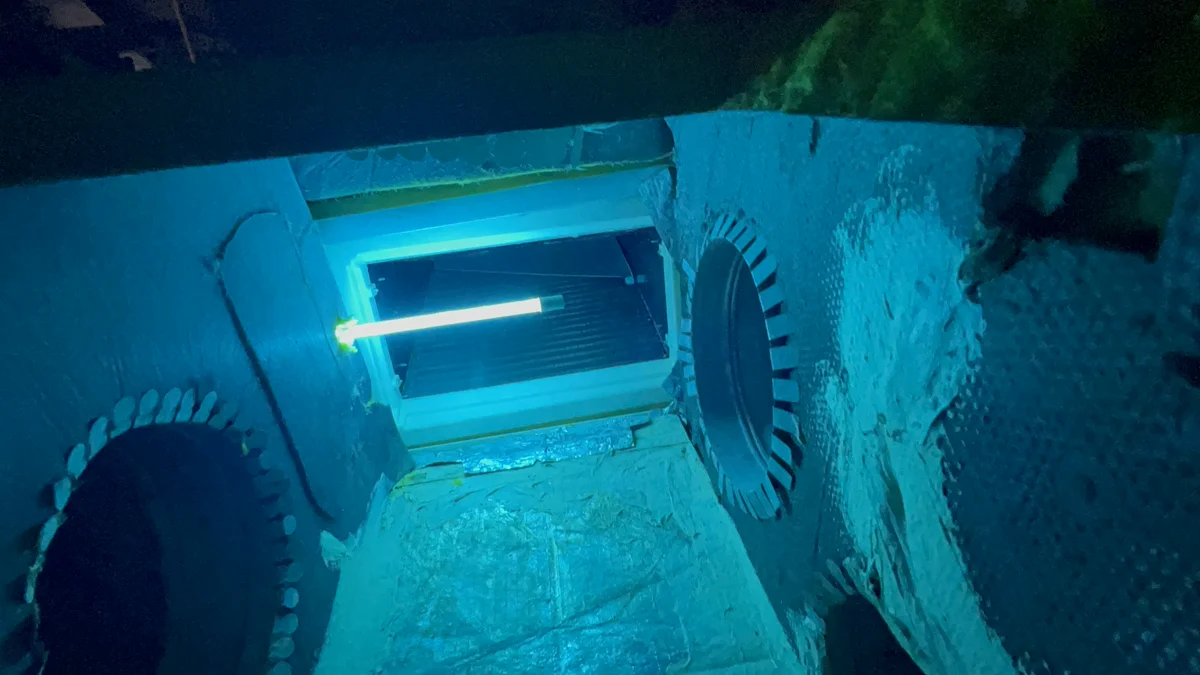
If you see heavy growth on the coil or inside the plenum, the contamination is systemic. Every room in your home receives mold spores when the system runs. Professional cleaning with HEPA filtration, plus UV-C light installation to prevent regrowth, is the recommended approach.
5 Stages of Mold Growth in Air Ducts
Stage 1 - Condensation Zone Formation: Before mold appears, the conditions develop. Moisture accumulates on the evaporator coil and drain pan during every cooling cycle. In Austin's 67% average humidity, condensation is heavy. Dust and organic debris settle on damp surfaces. At this stage, there is nothing visible - but the environment is primed for colonization. Prevention at this stage means maintaining proper drain pan flow and changing filters regularly.
Stage 2 - Initial Colonization: Microscopic mold spores (always present in indoor air) land on damp, nutrient-rich surfaces and germinate. The first visible sign is a faint discoloration - slightly darker patches on metal duct surfaces near the coil, or a thin film on the drain pan surface. Most homeowners cannot see this stage without removing vent covers and using a flashlight. A faint musty smell when the HVAC kicks on is often the earliest detectable sign.
Stage 3 - Surface Spread: Mold colonies expand across duct surfaces, becoming clearly visible as dark patches (black, green, or dark brown). The backside of vent covers shows spots or streaks. Discoloration appears on the ceiling or wall immediately around supply registers where cold conditioned air meets warm room air. The musty odor becomes consistent every time the system runs. This is the stage where most Austin homeowners first notice the problem.
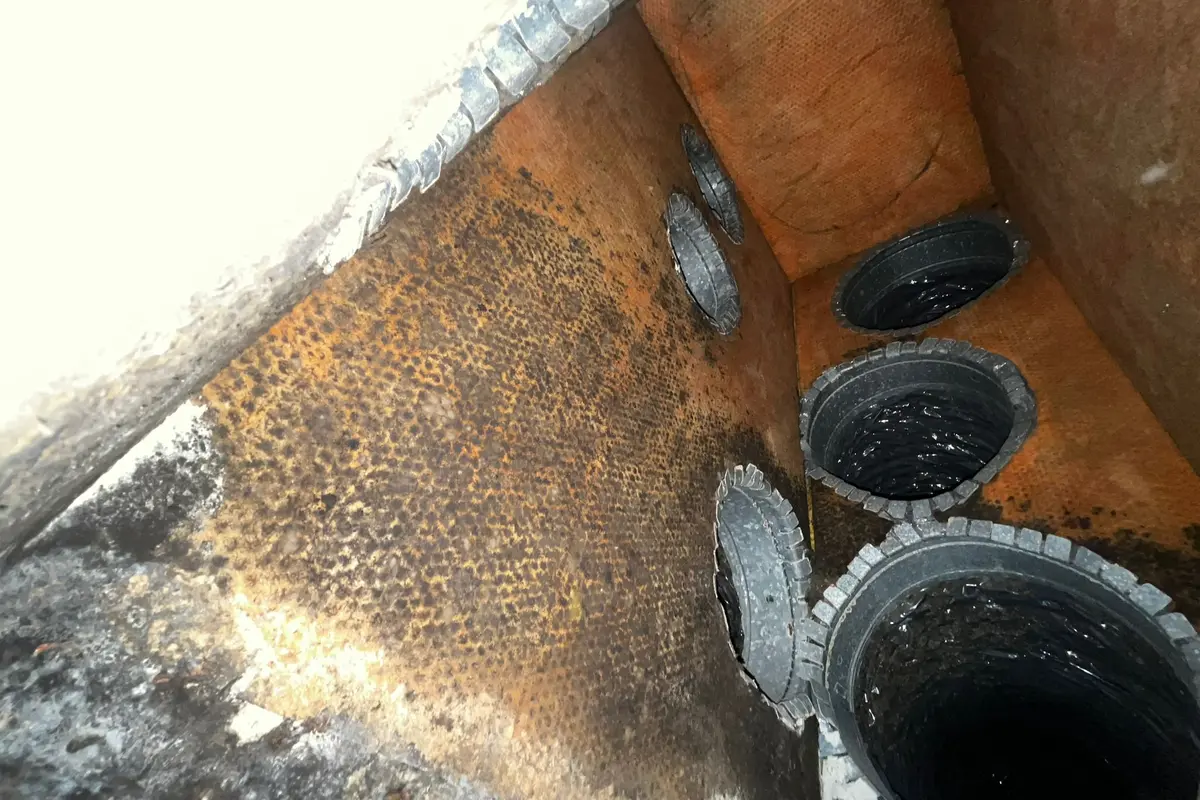
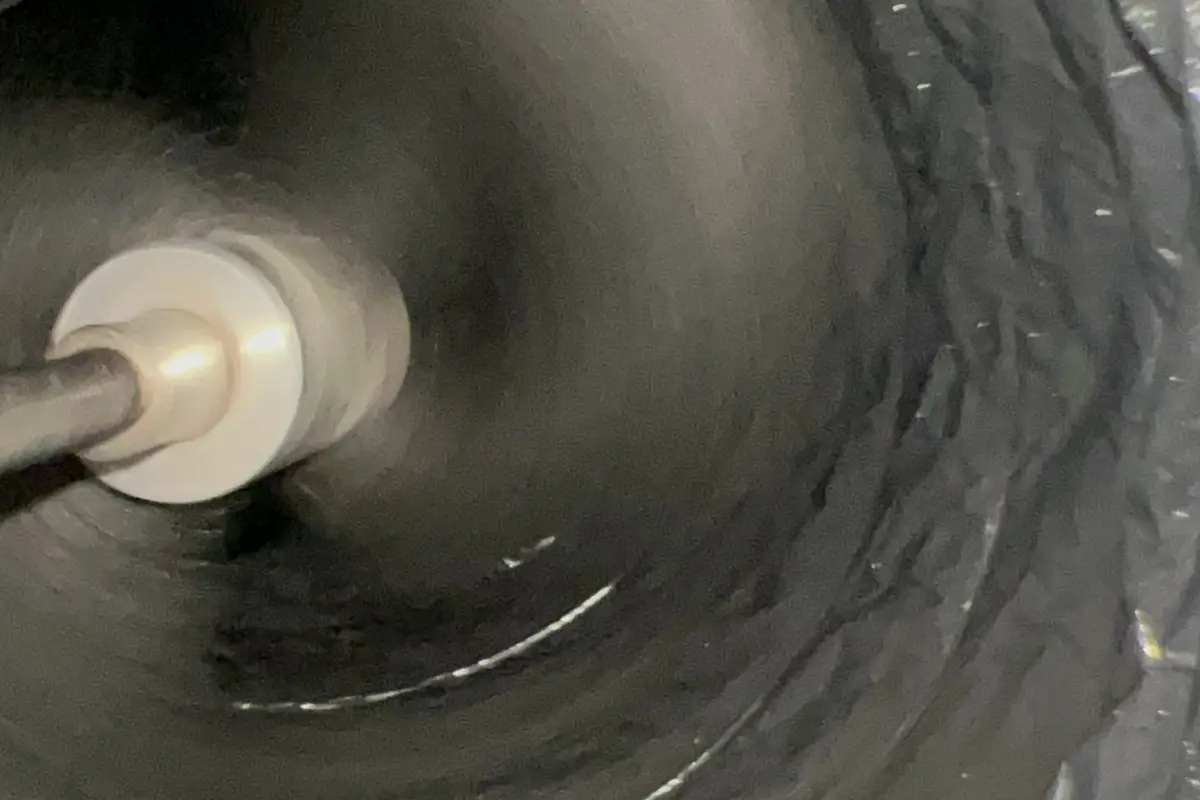
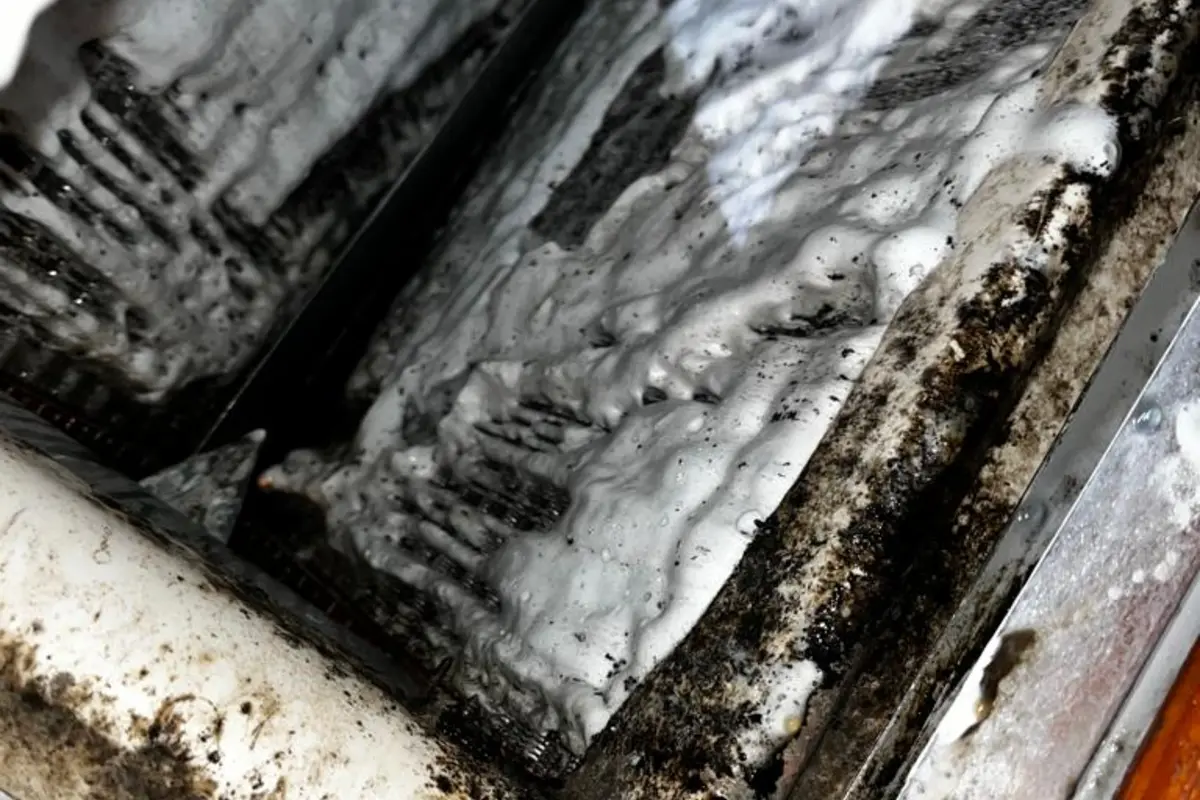
Stage 4 - Active Colony Growth: Mold transitions from flat surface patches to raised, fuzzy, three-dimensional colonies. Growth becomes visible inside the plenum box and on the evaporator coil fins. The odor is strong and persistent even when the system is off. Dark staining covers large areas of duct interior. Spores are actively distributed through the home with every HVAC cycle. Our real before-and-after plenum photos show exactly what this stage looks like - a plenum interior coated in dark contamination versus the same plenum after professional HEPA-filtered cleaning.
Stage 5 - Systemic Contamination: Mold has penetrated porous duct materials (fiberglass liner, flex duct inner core), established colonies throughout the trunk lines and branch runs, and may have spread to building materials adjacent to the ductwork. The entire home smells musty. Residents may experience persistent respiratory symptoms. At this stage, professional cleaning alone may not resolve the issue - partial duct replacement and potentially certified remediation are required before the system can be safely used.
Concerned About Your Home's Air?
We provide professional air quality assessments for Austin homes. See what is in your ducts before deciding.
Call (512) 601-4451Rate your home's indoor air quality in 2 minutes
Early Stage Signs of Black Mold in Air Vents
Early-stage signs of black mold in air vents are subtle enough that most homeowners miss them or mistake them for ordinary dirt. Knowing what to look for lets you catch contamination at Stage 2 or 3, when professional cleaning can resolve it completely - before it progresses to the advanced stages that require more extensive intervention.
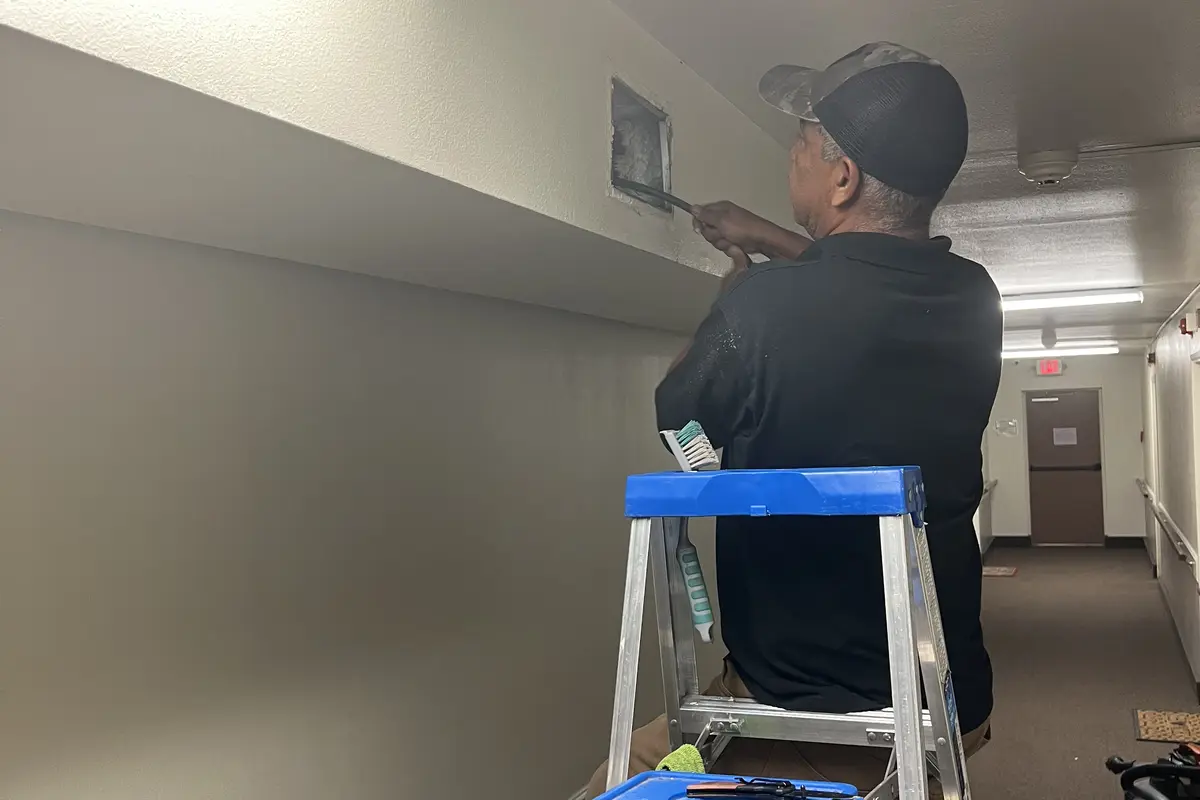
Dark spots on the backside of vent covers are the easiest early sign to check. Remove a supply vent cover (they typically lift off or unscrew with two screws) and look at the back surface - the side that faces into the duct. Early mold appears as small dark spots or a slight darkening of the metal surface. If you see dark spots that do not wipe off easily with a dry cloth, mold has begun colonizing the surface.
Discoloration around the vent opening on the ceiling or wall is another early indicator. Look for a faint shadow or darkening in a ring pattern around supply vents, especially in rooms that tend to be cooler (bedrooms with doors kept closed, for example). This discoloration happens where cold conditioned air exits the vent and meets warmer room air, creating a condensation micro-zone where mold thrives.
A musty or earthy smell that appears only when the HVAC system runs and disappears when it cycles off is the most reliable early warning. This smell means mold is growing somewhere in the duct system, and the air movement is carrying the odor into your living space. The smell may be faint and intermittent at first, becoming stronger and more persistent as colonies grow.
Increased allergy symptoms or respiratory irritation that worsens indoors and improves when you leave the house can also indicate early-stage mold in your HVAC system. If symptoms align with HVAC operation - worse at night when the system runs continuously, better when you open windows - the duct system is a likely source. Austin's high outdoor pollen levels make this harder to distinguish, but indoor-only symptoms that track with HVAC use point toward duct contamination.
Is Mold on Air Vents Dangerous?
Is mold on air vents dangerous? The direct answer: it depends on the mold species, the extent of contamination, and your health. Not all mold is equally harmful, but any mold in your HVAC system distributes spores through every room in your home, making even less-toxic species a concern at sufficient concentration.
Common mold species found in Austin air ducts include Cladosporium (olive-green to brown, very common, moderate allergen), Aspergillus (green, yellow, or white, common in HVAC systems, can cause respiratory infections in immunocompromised individuals), Penicillium (blue-green, common on damp materials, strong allergen), and Stachybotrys chartarum (the 'black mold' that gets media attention - dark black, slimy texture, produces mycotoxins that can cause serious health effects with prolonged exposure).
For healthy adults, exposure to common mold species at low levels typically causes mild allergic symptoms - sneezing, runny nose, eye irritation. At higher concentrations (which occur when mold is actively growing inside your HVAC system and distributed with every cycle), symptoms can include persistent cough, throat irritation, headaches, and fatigue.
For vulnerable populations - young children, elderly adults, people with asthma, people with compromised immune systems - mold exposure through the HVAC system is more dangerous. The EPA, CDC, and WHO all identify indoor mold exposure as a significant respiratory health risk for these groups. Asthma attacks triggered by mold spores are well-documented in medical literature.
The practical answer for Austin homeowners: if you see mold on your air vents, it indicates mold inside the duct system. Whether the species is highly toxic or merely allergenic, the contamination will worsen over time in Austin's humid climate. Early-stage mold is easier and less expensive to address than advanced contamination. Do not wait to identify the species - call (512) 601-4451 for an HD camera inspection to determine the extent of growth and the right course of action.
Real Before-and-After: What Professional Cleaning Looks Like
The difference between a contaminated plenum and a professionally cleaned one is dramatic. Our extreme plenum restoration photos show a plenum box interior coated in dark contamination - the accumulated result of years of moisture, dust, and biological growth in an Austin attic environment where temperatures swing from 140 degrees in summer to near-freezing in winter. The after photo shows the same plenum after HEPA-filtered negative-pressure cleaning: bare metal surfaces, no visible contamination, no residue.
These are not stock photos. These are real jobs from Austin homes where homeowners called us because of persistent odors, visible discoloration around vents, or allergy symptoms that would not respond to medication. In every case, the HD camera inspection revealed contamination that was invisible from outside the system. The homeowner saw the camera footage in real time, saw what was living inside their ductwork, and understood exactly why their home smelled the way it did.
If you suspect mold in your air ducts, the first step is always a camera inspection - not guessing, not spraying chemicals into vents, not ignoring it and hoping it resolves on its own. Mold in Austin ductwork does not resolve on its own because the conditions that created it (humidity, condensation, organic debris) are permanent features of our climate. Call (512) 601-4451 to schedule an inspection and see inside your ducts for yourself.
What to Do When You Find Mold
Do not disturb it. Touching or scrubbing mold inside ducts releases spores into the air. Do not run the HVAC system more than necessary until the ductwork is professionally inspected. Do not attempt to spray bleach or chemicals into the duct system - this can damage duct materials and create additional air quality problems.
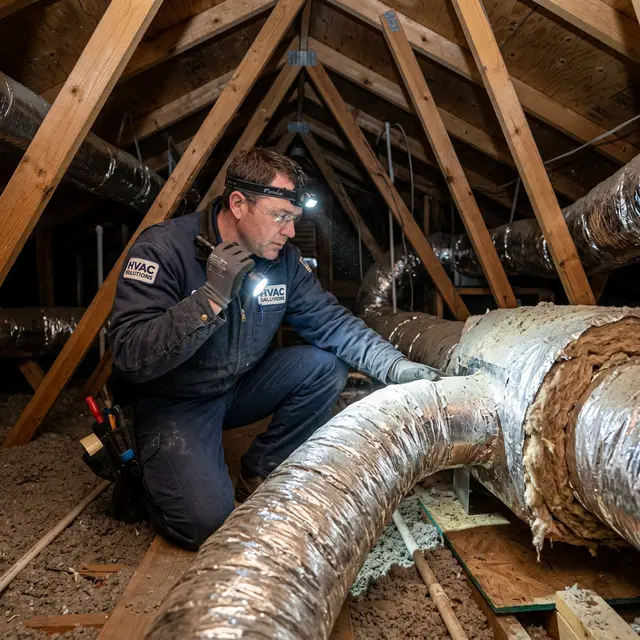
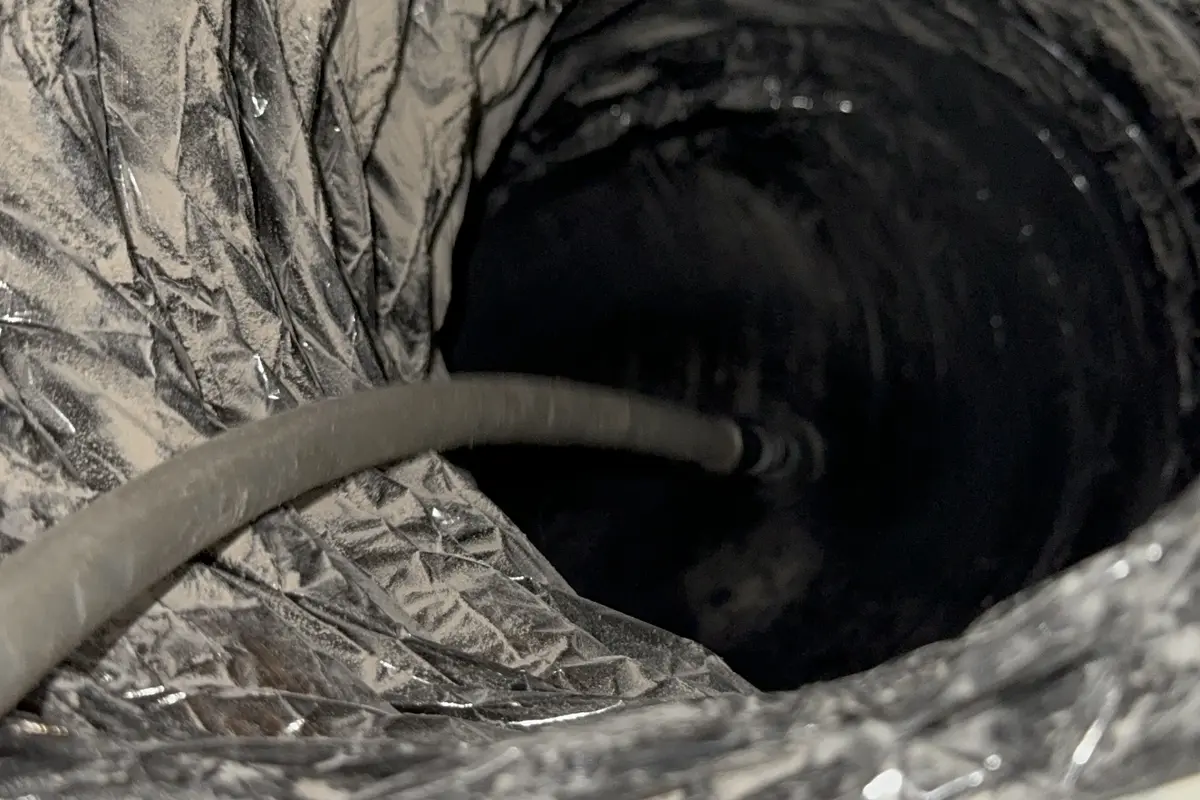
Call (512) 601-4451 for an HD camera inspection. Our technicians insert a camera into your ductwork and show you exactly what is growing, where it is, and how extensive it is. Based on the inspection, we recommend the right course of action - whether that is professional cleaning, UV-C light installation for prevention, or referral to a remediation specialist for severe cases. Most mold situations we encounter in Austin homes are resolved with thorough HEPA-filtered cleaning.
Related Services
Learn more about our professional services related to this topic:
- Air Duct Cleaning - Remove dust, allergens, and debris from your entire HVAC system for cleaner indoor air.
- Air Duct Inspection - Diagnose leaks, blockages, and efficiency issues with HD camera inspection.
- UV Lighting System - Eliminate bacteria and allergens inside your HVAC with UV-C light technology.
Want the full picture?
Read our complete guide: The Complete Guide to Indoor Air Quality in Austin, TX (2026) →Have questions about indoor air quality? Our team is available 7 days a week. Call us at (512) 601-4451 or visit our contact page.