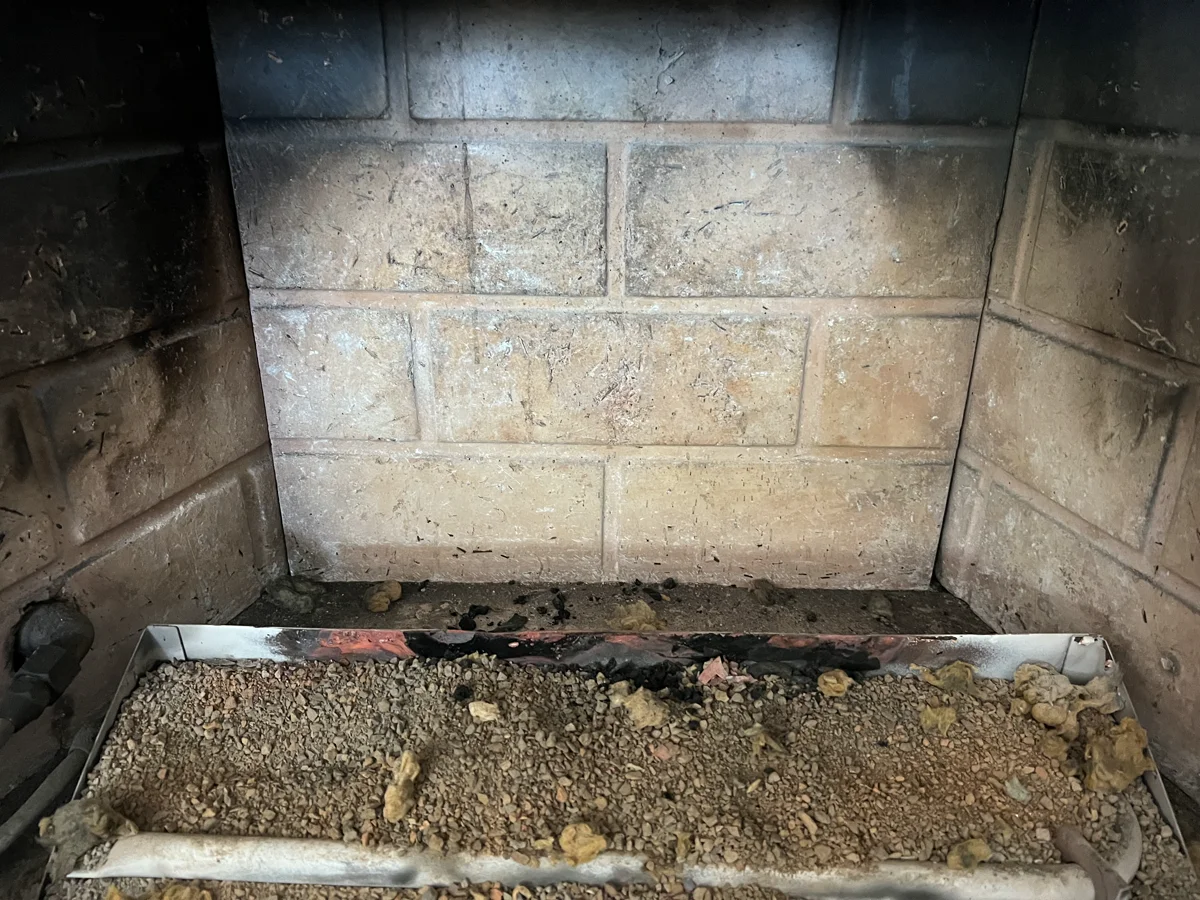
A chimney sweep costs $150-$400 nationally in 2026, with the average falling between $200 and $300 for a standard cleaning with Level 1 inspection. Austin prices are consistent with the national range. The cost depends on chimney type (masonry vs prefabricated), creosote level, accessibility, and whether you need a Level 1, 2, or 3 inspection. Here is a complete breakdown of what you should expect to pay and how to avoid overpaying.
National Chimney Sweep Cost Breakdown for 2026
The cost of a chimney sweep varies by region, chimney type, and the scope of work. Nationally, homeowners pay $150-$400 for a standard chimney sweep that includes cleaning the flue and a Level 1 visual inspection. The average lands between $200 and $300.
The range depends primarily on your chimney type. Masonry chimneys with clay tile liners cost more to clean because the tiles have joints where creosote accumulates, requiring more time and technique. Prefabricated (factory-built) metal chimneys have smooth-walled metal flues that are generally faster to clean. Wood-burning fireplaces produce more creosote than gas-only setups, which also affects pricing.
Geographic variation exists but is modest. Urban areas with higher labor costs (San Francisco, New York, Boston) tend toward the higher end. Smaller markets may fall lower. Austin falls in the middle of the national range, consistent with the city's overall cost of living relative to other major metros.
What Is Included at Each Price Level
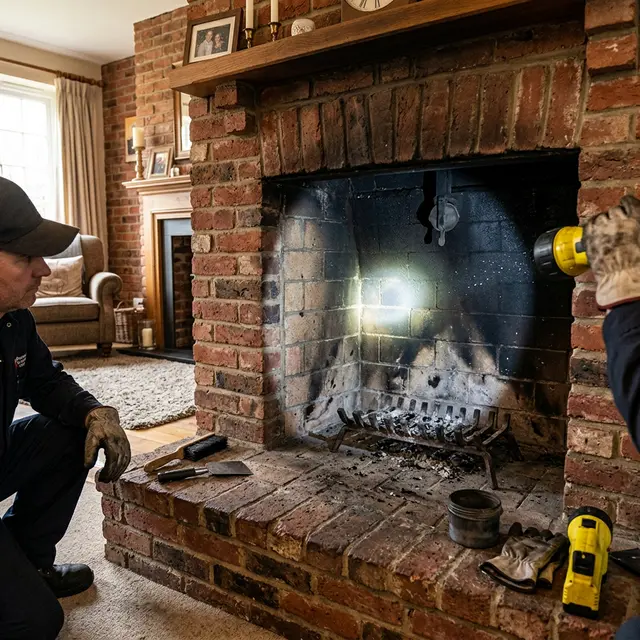
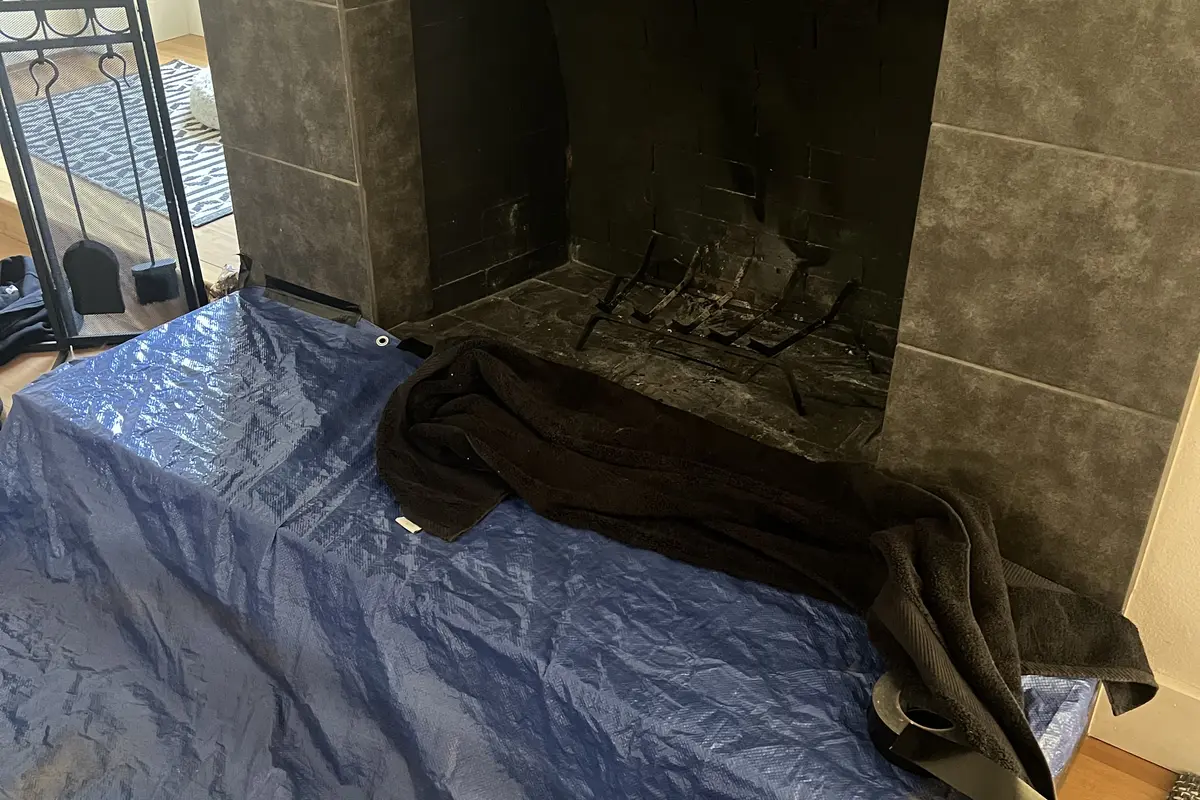
A standard chimney sweep ($150-$300) includes brushing the flue from the firebox to the chimney cap, removing creosote and soot deposits, cleaning the smoke shelf and firebox, vacuuming all debris with a HEPA vacuum, checking the damper for proper operation, and a Level 1 visual inspection of accessible chimney components. The technician uses drop cloths and containment to protect your home. The job takes 45-90 minutes for a single flue.
A Level 2 inspection ($200-$500, often combined with a sweep) adds a camera inspection of the full flue interior, examination of accessible areas in the attic and crawl space around the chimney, and evaluation of the chimney structure from the exterior. Level 2 is required when buying or selling a home, after a chimney fire, when changing fuel type, or when problems are suspected. This is the inspection level most chimney professionals recommend.
A Level 3 inspection ($1,000-$5,000+) involves removing parts of the chimney structure - interior wall material, chimney components, or the chimney crown - to access concealed areas where damage is suspected. Level 3 inspections are rare and only performed when a Level 2 reveals potential structural issues that require further investigation. This is not something most homeowners will ever need.
Factors That Increase the Cost
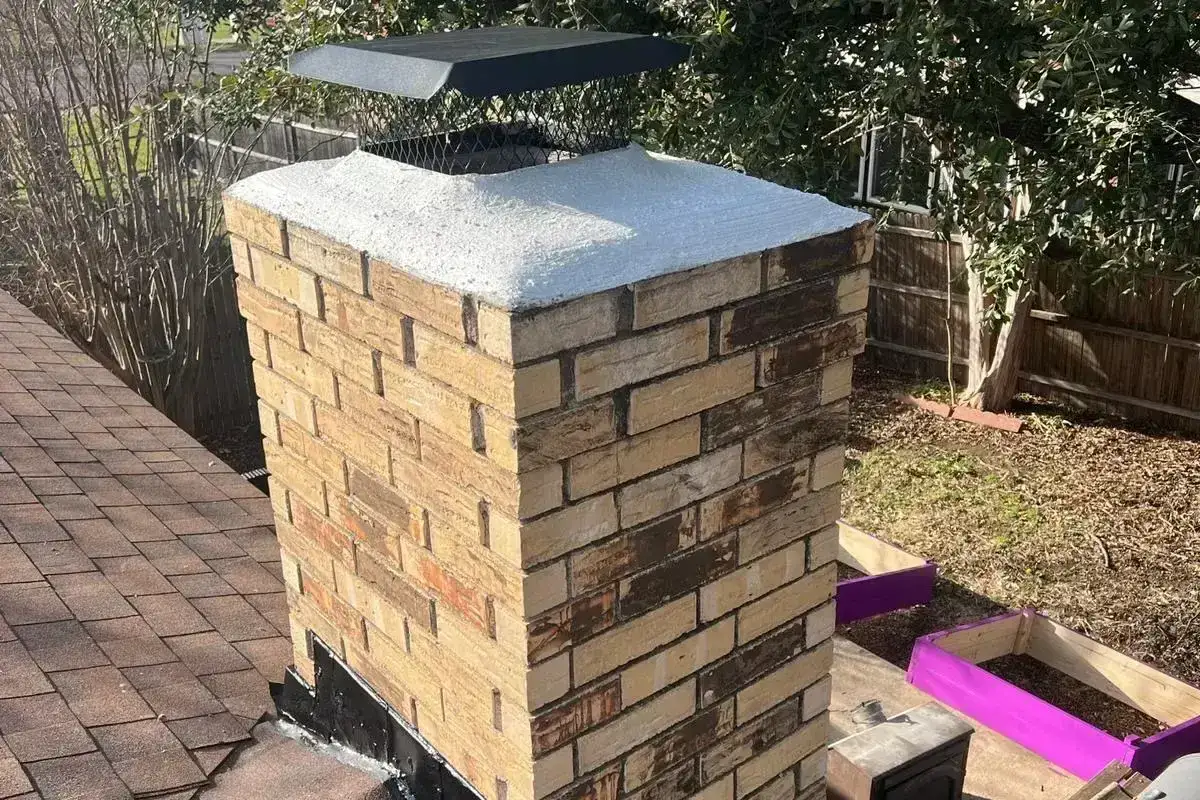
Creosote stage is the biggest variable. Stage 1 creosote (powdery, dust-like) brushes away easily during a standard sweep. Stage 2 creosote (flaky, tar-like chunks) takes more effort and time to remove. Stage 3 creosote (glazed, hardened, shiny coating bonded to the flue walls) requires chemical treatment and possibly multiple visits. Stage 3 removal can add $100-$300+ to the base price. The creosote stage depends on how you burn - smoldering fires with unseasoned wood produce Stage 2 and 3 creosote faster.
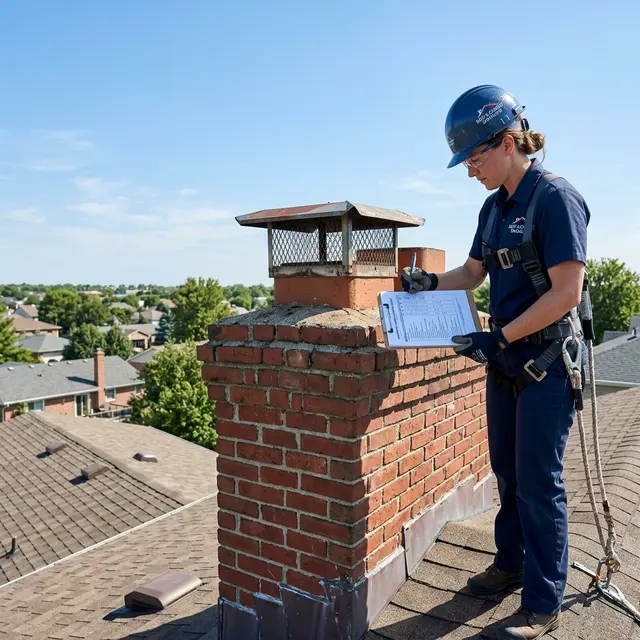
Chimney height and roof access affect pricing. A two-story exterior chimney on a steep roof requires more time, more safety equipment, and more physical effort than a single-story chimney with easy rooftop access. Some companies charge a roof pitch surcharge for roofs steeper than 6/12 pitch.
Number of flues matters. Homes with two flues (common in older homes where one flue served the fireplace and another served a gas appliance or furnace) are cleaned and inspected separately. Expect the price to be roughly 1.5x the single-flue rate, not double, since setup time is shared.
Location plays a role at a macro level, but within a given market, the bigger pricing differences come from the company's equipment, certifications, and thoroughness. A CSIA-certified sweep using professional-grade equipment and providing a written report with photos typically charges more than an uncertified operator, but the quality difference is significant.
Common Repair Costs (Beyond the Sweep)
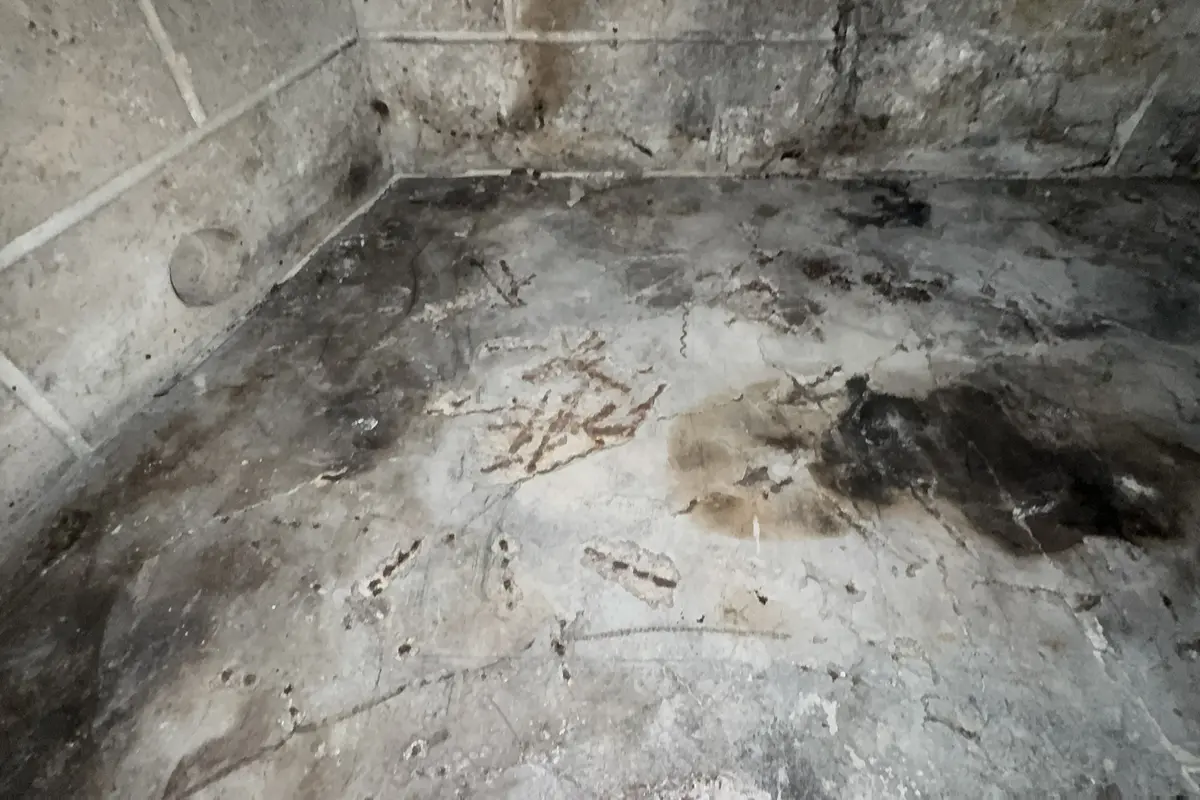
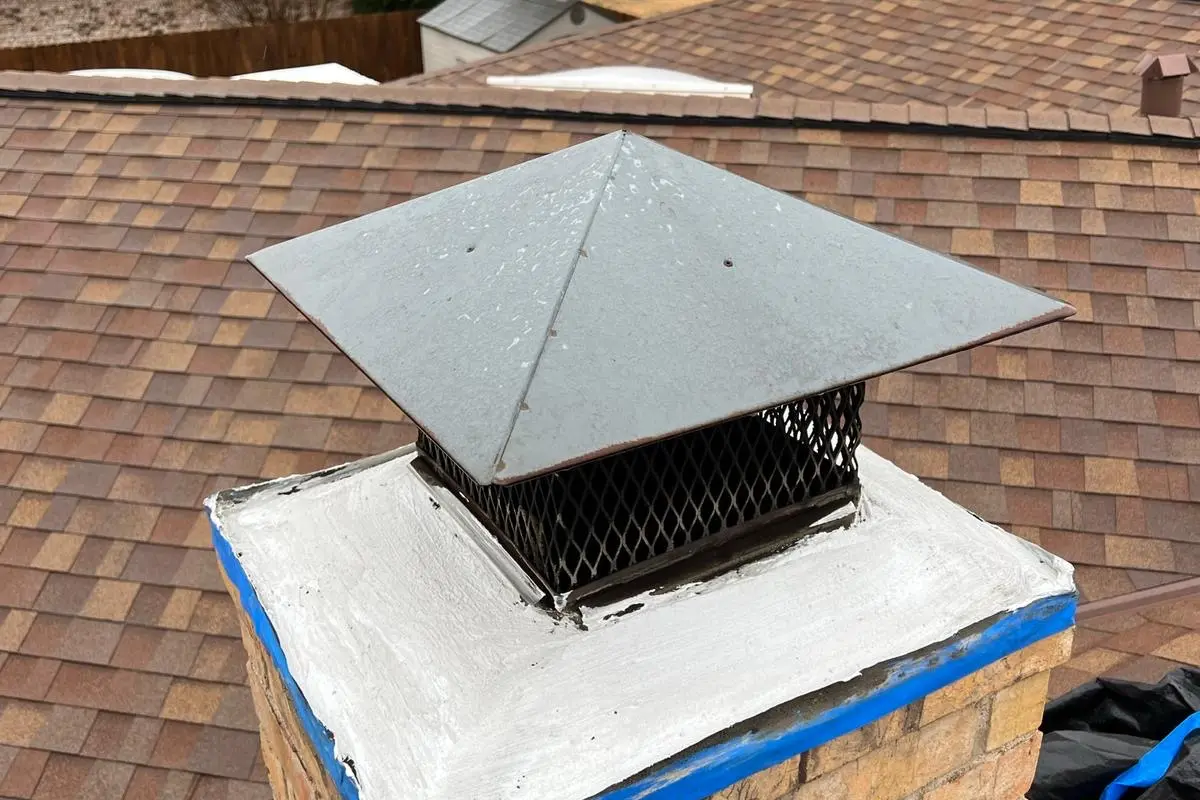
Chimney cap installation or replacement: $150-$700 depending on material (galvanized steel, stainless steel, or copper) and chimney type. A stainless steel cap with mesh screening is the standard recommendation - it prevents rain, animals, and debris from entering the flue. In Austin, raccoons, squirrels, and birds nest in uncapped chimneys regularly, making a cap a worthwhile investment.
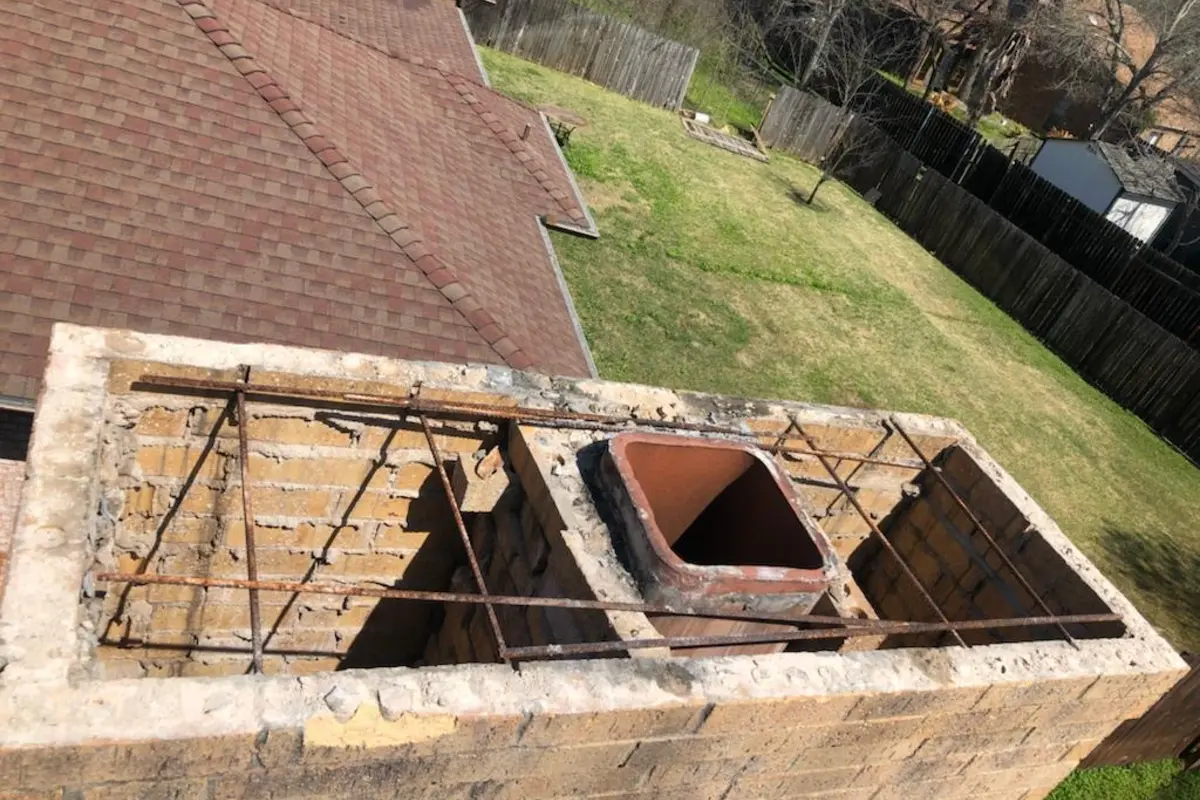
Crown repair: $200-$1,500+ depending on severity. The crown is the concrete or morite cap on top of the chimney that sheds water away from the flue. Cracks develop from thermal expansion and freeze-thaw cycles. Minor cracks can be sealed with a flexible crown coat product. Severe damage requires rebuilding the crown, which is a more involved repair.
Flue liner replacement: $2,500-$7,000+ for a stainless steel liner. This is needed when the existing clay tile liner is cracked, broken, or deteriorated beyond repair. A stainless steel liner is installed inside the existing chimney and provides a new, code-compliant flue. This is a significant investment but essential for safe operation if the existing liner is damaged.
Tuckpointing (mortar repair): $500-$2,500+ depending on how many courses of mortar need replacement. Austin's UV exposure and occasional freeze-thaw cycles deteriorate mortar joints over time. Tuckpointing replaces the damaged mortar without replacing the bricks. Waterproofing sealant ($150-$500) is often applied afterward to extend the repair life.
Austin Chimney Sweep Pricing: What Local Homeowners Pay
Austin chimney sweep pricing is consistent with the national average. You should expect to pay $175-$350 for a standard sweep with Level 1 inspection from a reputable, CSIA-certified company in the Austin metro area. Masonry chimneys generally cost more than prefabricated (factory-built) fireplaces because clay tile liners take longer to clean than smooth metal pipe. Air Central serves 28 Austin-area cities including Round Rock, Cedar Park, Georgetown, Pflugerville, Lakeway, Kyle, Dripping Springs, and beyond.
Accessibility is the factor most homeowners overlook. A single-story home with a low-pitch roof and an easily reached chimney takes less time and requires less safety equipment than a two-story exterior chimney on a steep roof. Roof pitch above 6/12 means the technician needs additional safety gear and anchor points, which adds time and sometimes a surcharge. Homes in older Austin neighborhoods like Tarrytown, Allandale, Travis Heights, and Hyde Park often have chimneys that are straightforward to access. Newer homes in hilly areas like Steiner Ranch, River Place, and the Barton Creek neighborhoods can have multi-level rooflines with chimneys positioned on difficult-to-reach peaks.
Austin does have some unique cost factors. The extreme summer heat means most chimney work is done in fall (September through November), creating a seasonal demand spike. Scheduling your sweep in late summer (August-early September) before the rush can sometimes secure better availability and sometimes lower rates. Austin's relatively mild winters mean less creosote buildup than northern cities where fireplaces burn 5-6 months per year, which can keep cleaning costs on the lower end.
Chimney height and roof pitch affect pricing for Austin homes. A two-story exterior chimney on a steep roof can add 30-60 minutes to the job compared to a single-story chimney with easy rooftop access. Some Austin homes, particularly older ones in neighborhoods like Travis Heights and Hyde Park, have chimneys with two flues - one for a fireplace and one for a gas water heater or furnace. Each flue is inspected and swept separately, which adds to the total cost. The type of fuel you burn affects cost too - wood-burning fireplaces produce more creosote and require more thorough cleaning than gas-only setups.
What Is Included in an Austin Chimney Sweep
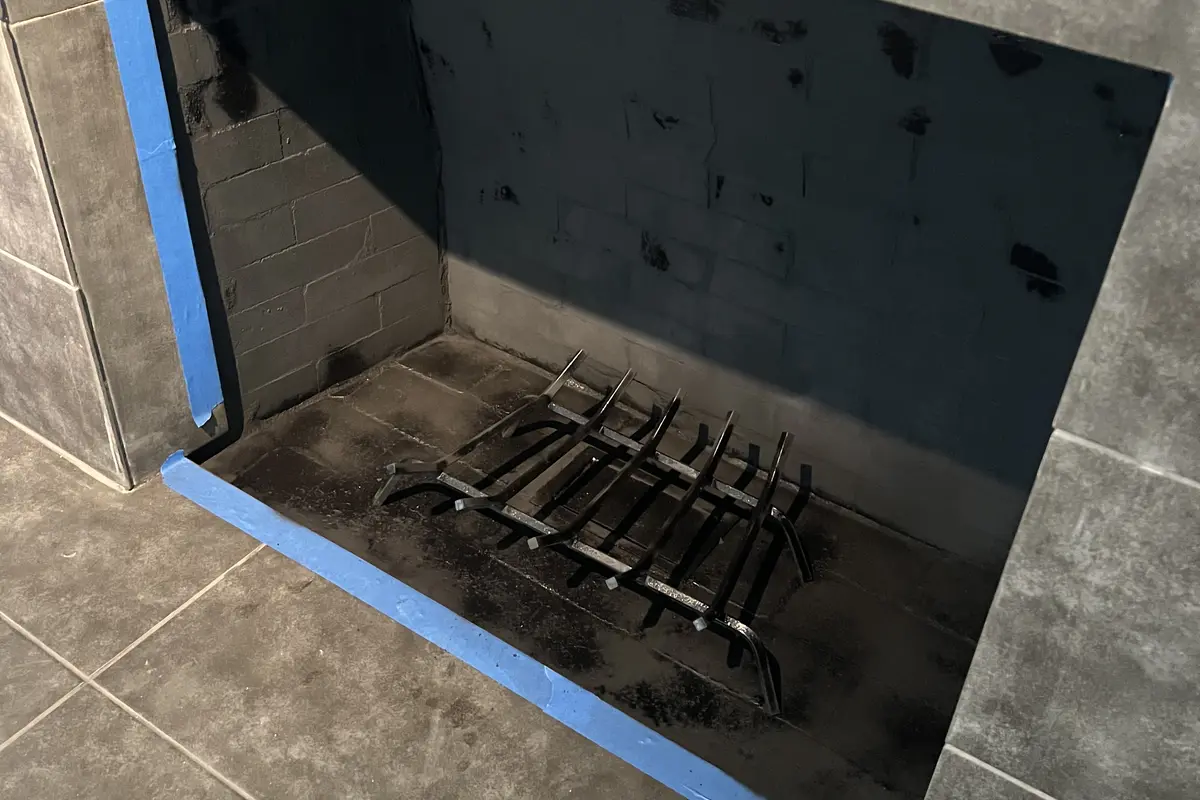
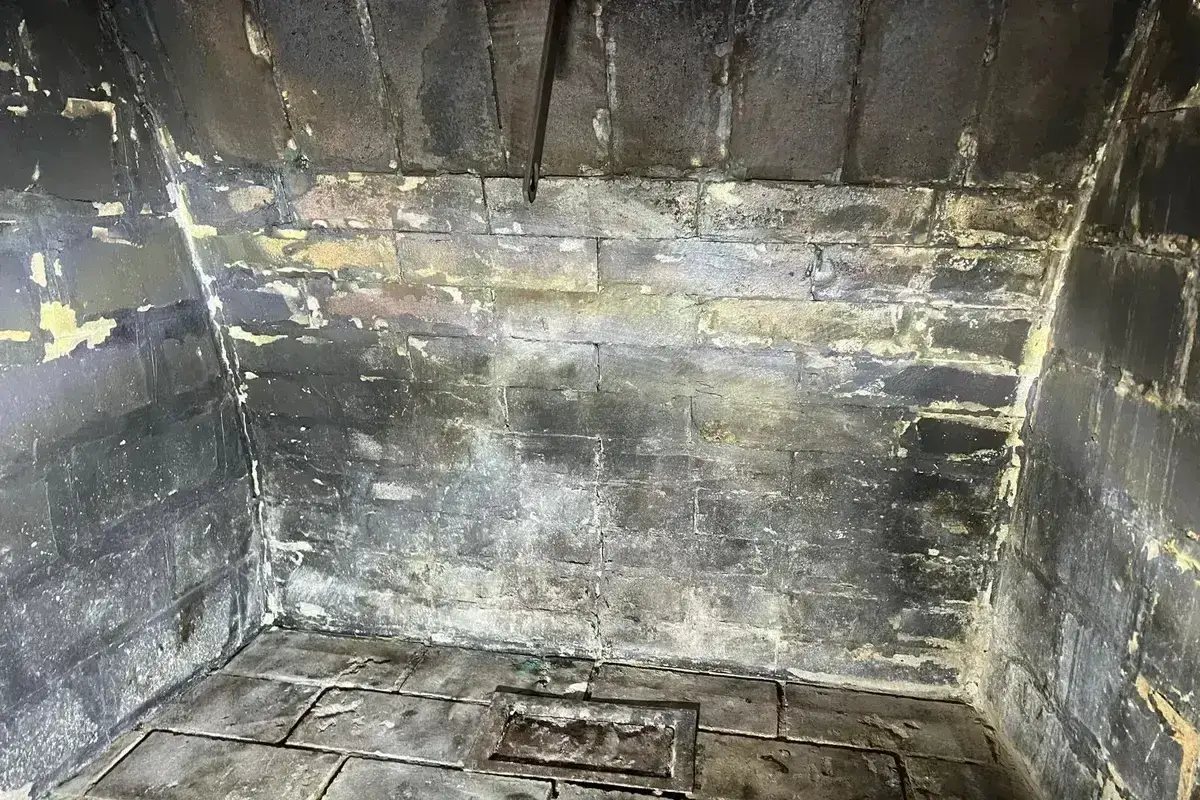
A proper chimney sweep is more than just running a brush up the flue. The technician starts with a visual inspection of the firebox, looking for cracked firebricks, damaged refractory panels, and gaps in the mortar joints. Next, they check the damper for proper operation - it should open and close smoothly and seal tightly when closed. The sweep itself involves running appropriately sized brushes through the entire flue length, from the smoke chamber up to the chimney top, dislodging creosote and soot deposits.
After brushing, the technician inspects the chimney cap and crown from the rooftop, looking for damage, rust, or missing components. They check the flashing where the chimney meets the roof for signs of water intrusion. The firebox and smoke shelf are vacuumed clean of all debris. A good technician walks you through their findings, explains any recommended repairs, and gives you a written report. The entire process takes 45-90 minutes for a single flue. Drop cloths and a commercial HEPA vacuum protect your home from soot and dust during the process.
Is Your Chimney Safe for This Season?
A 21-point chimney inspection catches problems before they become dangerous. Book before the first fire.
Call (512) 601-4451Rate your home's indoor air quality in 2 minutes
Common Austin Chimney Add-On Costs
Chimney cap installation prevents rain, animals, and debris from entering the flue. A stainless steel cap with a mesh screen is the best long-term investment - it keeps out raccoons, birds, and squirrels that love to nest in Austin chimneys during spring. Damper replacement is another common add-on. Top-sealing dampers seal at the top of the flue instead of the throat, providing better energy efficiency and keeping animals out year-round.
Crown repair varies based on severity. The crown is the concrete cap on top of the chimney, and Austin's cycle of extreme heat, UV exposure, and occasional freeze-thaw causes cracking over time. Flue liner installation with stainless steel liners is the standard replacement for damaged clay tile liners. Tuckpointing (mortar repair) and waterproofing sealant are also available - the sealant is a vapor-permeable coating that keeps water out while allowing moisture inside the brick to escape. All repairs are quoted based on the specific scope of work after inspection.
How to Avoid Overpaying for a Chimney Sweep
Get at least two quotes and compare what is included. A lower price that only covers brushing the flue is less valuable than a higher price that includes a full Level 1 inspection with written report and photos. Ask specifically what the quoted price covers.
Watch for bait-and-switch tactics. Some operators advertise very low prices to get in the door, then claim to discover extensive damage requiring thousands in repairs. A legitimate sweep takes 45-90 minutes, provides camera or photo documentation, and gives you a written report with repair recommendations and clear pricing. Any company that finishes in 15 minutes did not do a thorough job.
Verify CSIA (Chimney Safety Institute of America) certification. This is the industry standard credential confirming the technician has passed a comprehensive exam on chimney safety, codes, and proper techniques. Not all chimney companies employ CSIA-certified sweeps, but those that do generally deliver higher-quality work.
Be cautious about unsolicited offers. Legitimate chimney companies earn business through reputation, reviews, and referrals. Door-to-door chimney sweep offers or cold calls are a common entry point for scam operators.
Ask for before-and-after documentation. Reputable companies photograph or video-record the flue condition before and after cleaning so you can see the results. Air Central provides HD camera inspection with every chimney service so you see exactly what was cleaned and what condition your chimney is in. Call (512) 601-4451 to schedule your chimney sweep or inspection.
Chimney Repair Cost: What Austin Homeowners Pay
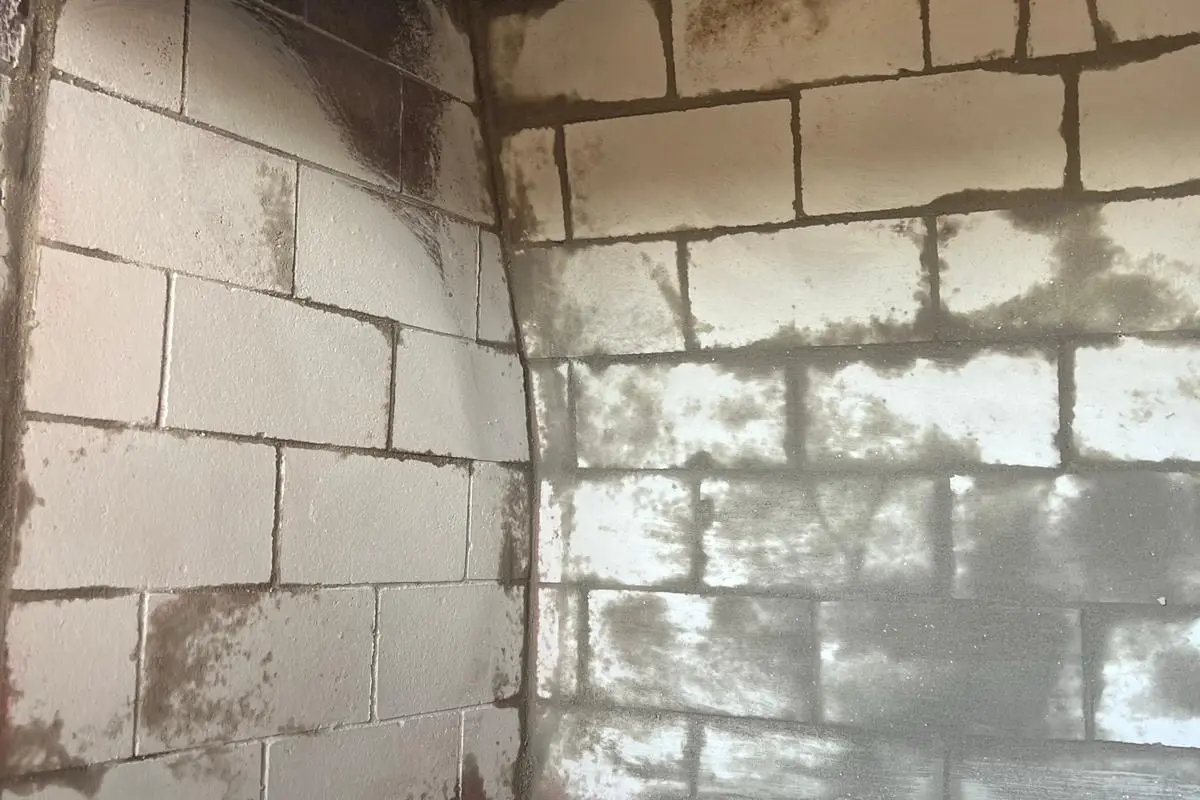
A chimney sweep and a chimney repair are two different things, and the costs reflect that difference. A sweep removes creosote and debris from the flue - routine maintenance that runs $150-$400. Chimney repairs address structural or component damage, and the price range is much wider depending on what needs fixing. Austin homeowners often conflate the two, which leads to sticker shock when a sweep reveals repair needs.
The most common chimney repairs and their typical Austin price ranges: crown repair ($150-$500) for cracks caused by Texas heat cycling, flashing repair ($200-$600) where the chimney meets the roofline, liner replacement ($1,500-$3,500) when clay tile liners crack or deteriorate, tuckpointing ($500-$2,500) for mortar joint restoration, and cap replacement ($150-$400). Many Austin chimneys need crown or flashing work before they need a full liner replacement - catching these early saves thousands.
Austin's mild winters mean less creosote buildup than northern cities, but our intense thunderstorms and driving rain cause more water damage to chimney exteriors than most homeowners expect. Neighborhoods with older masonry chimneys - Tarrytown, Hyde Park, Travis Heights - see the highest repair frequency because decades of moisture penetration and thermal cycling take a cumulative toll on mortar and brick. A chimney sweep with a Level 1 inspection is the best way to catch repair needs before they escalate from a $200 flashing fix to a $3,000 liner replacement.
Exterior Chimney Repair: What Needs Fixing and What It Costs
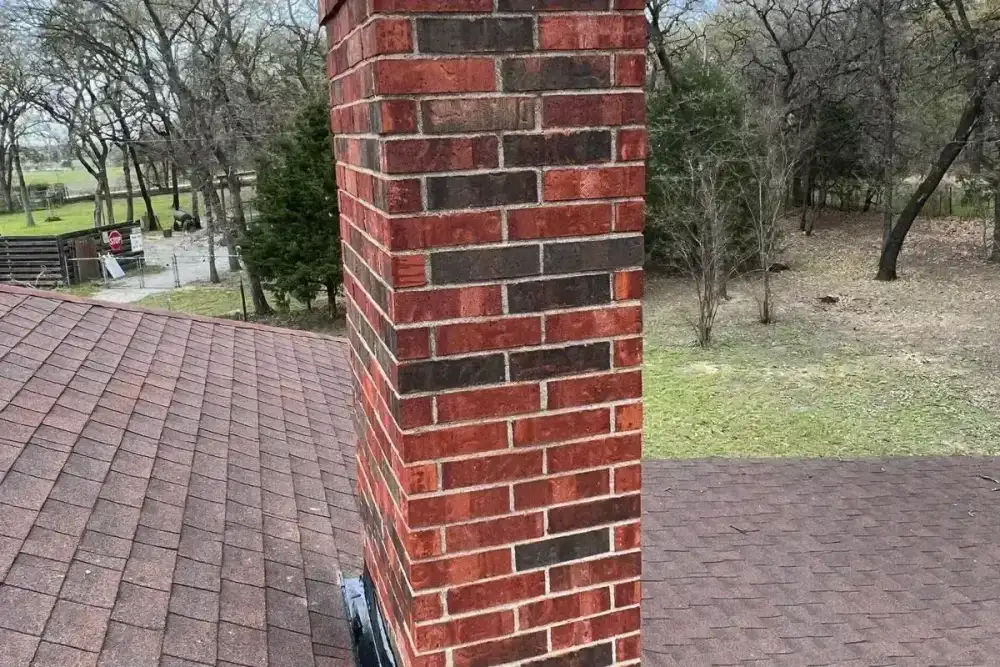
Exterior chimney damage is the most common repair category in Austin because the outside of your chimney takes the full force of Texas weather - UV radiation, thunderstorms, hail, and the occasional freeze-thaw cycle. The four most common exterior repairs each target a different failure point, and catching them early is the difference between a minor fix and a major rebuild.
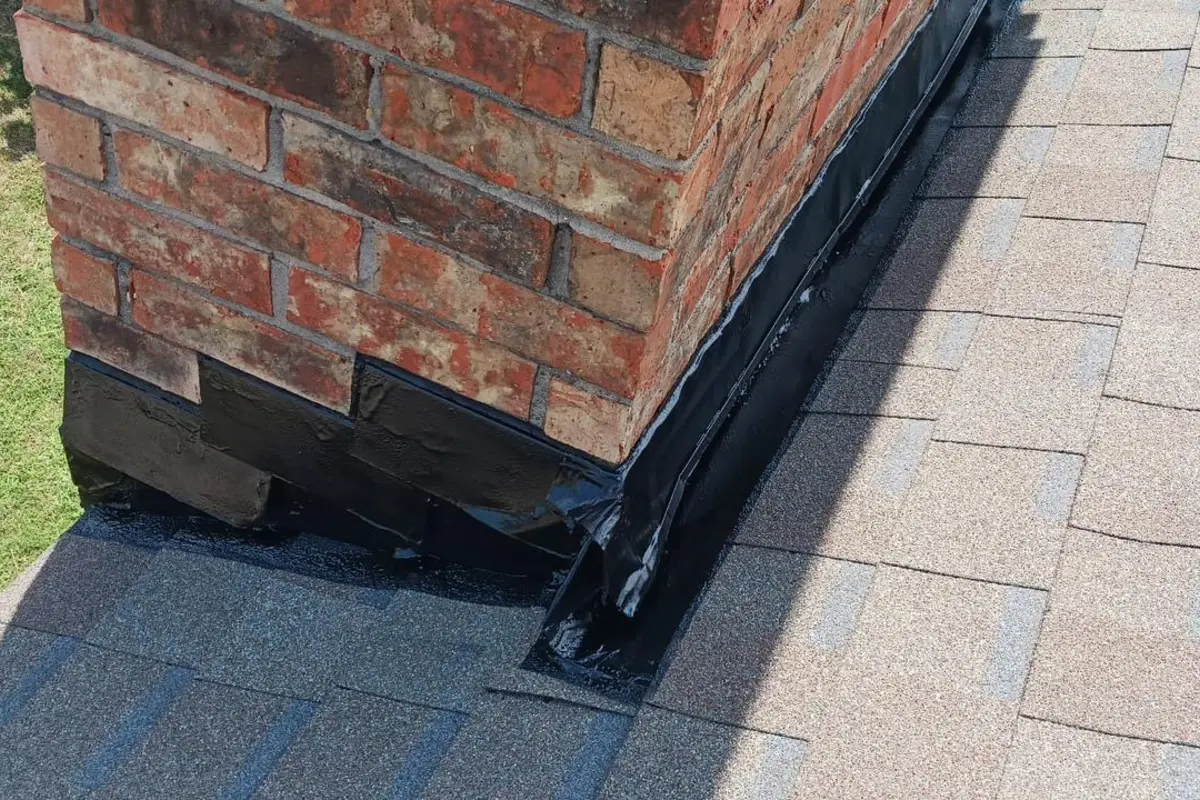
Crown repair ($150-$500) addresses cracking in the concrete cap that sits on top of your chimney. Austin's extreme heat expands the concrete during summer, and rare freezes contract it in winter. Over years, this cycling creates cracks that let water pour directly into the chimney structure. Flashing repair ($200-$600) fixes the metal seal where your chimney meets the roof - this is the number one source of chimney-related roof leaks in Austin. Tuckpointing ($15-$25 per square foot) replaces deteriorated mortar joints between bricks. Austin's rain and humidity soften mortar over 20-30 years, and once mortar fails, water enters the brick structure and accelerates deterioration. Brick replacement ($25-$50 per brick) is needed when spalling occurs - moisture absorbed into the brick freezes and causes the face to flake off.
Austin's expansive clay soil adds another factor that most homeowners overlook. Soil movement during wet-dry cycles can shift chimney foundations, creating visible lean or separation from the house. Older neighborhoods like Tarrytown, Allandale, and Crestview sit on some of the most active clay soils in the metro, and chimneys built 40-60 years ago without modern footings are especially vulnerable. If you notice your chimney pulling away from the exterior wall or developing new cracks at the roofline, schedule an inspection before the next major rain.
Chimney Inspection Cost vs Chimney Sweep Cost
A chimney inspection costs less than a chimney sweep when booked as a standalone service, but most Austin homeowners end up getting both done together because a standard sweep includes a Level 1 inspection at no extra charge. Understanding the difference between inspection levels helps you know what you actually need and what you should expect to pay.
A Level 1 chimney inspection is a visual-only examination of the readily accessible portions of the chimney - the firebox, damper, smoke chamber, and visible flue from the firebox opening and the chimney top. The technician checks for creosote buildup, structural damage, obstruction, and proper clearances. Level 1 inspections are appropriate for chimneys that have been regularly maintained and have not experienced any changes in use or problems. When bundled with a chimney sweep (which is the standard practice), the inspection adds no additional cost because the technician is already examining these components as part of the cleaning process.
A Level 2 chimney inspection adds a video camera scan of the entire flue interior, plus examination of accessible areas in the attic and crawl space around the chimney structure. The camera reveals cracks in clay tile liners, gaps between liner sections, deterioration of mortar joints inside the flue, and damage that is invisible from above or below. Level 2 inspections are required by NFPA 211 standards when selling or buying a home, after a chimney fire, when changing fuel type (switching from wood to gas or vice versa), or when a problem is suspected but not confirmed by Level 1. As a standalone service, a Level 2 inspection typically runs $200-$500 in the Austin market. When combined with a sweep, many companies offer a package discount.
A Level 3 chimney inspection involves partial demolition - removing interior wall material, chimney crown sections, or other components to access concealed areas where serious structural damage is suspected. Level 3 inspections cost $1,000-$5,000+ because they involve construction-level work and are only performed when a Level 2 inspection reveals evidence of structural failure that cannot be fully assessed without opening up the chimney. The vast majority of Austin homeowners will never need a Level 3 inspection. It is reserved for chimneys with known structural problems, significant water damage, or confirmed chimney fires that may have compromised the internal structure.
For most Austin homeowners, the chimney inspection and cleaning cost combined is simply the price of a standard sweep - $175-$350 - because Level 1 inspection is included. If you need a Level 2 camera inspection, expect to add $200-$500 to the sweep price, or ask about bundled pricing. Call (512) 601-4451 to schedule your chimney inspection and sweep - Air Central includes a Level 1 visual inspection with every chimney service.
Related Services
Learn more about our professional services related to this topic:
- Chimney Sweep & Repair - Professional cleaning and 21-point safety inspection for your fireplace.
Want the full picture?
Read our complete guide: Chimney Sweep and Fireplace Safety: Complete Austin Guide (2026) →Have questions about chimney & fireplace? Our team is available 7 days a week. Call us at (512) 601-4451 or visit our contact page.