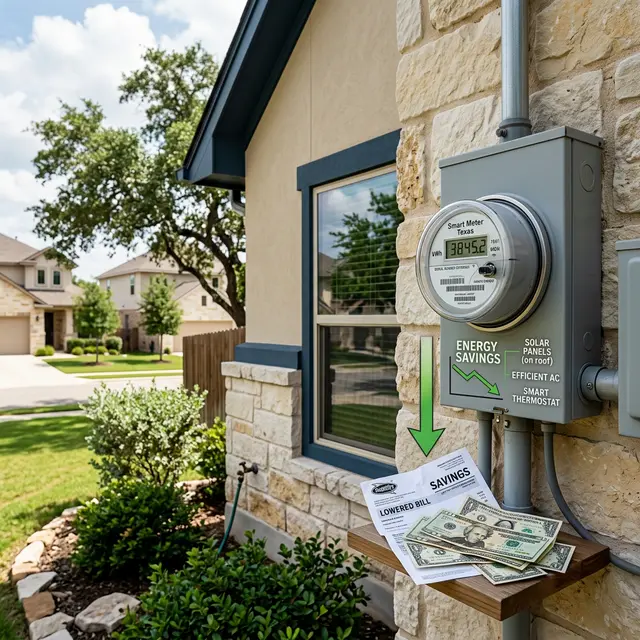
Smart thermostats in 2026 now integrate with indoor air quality sensors to automate HVAC responses based on real-time PM2.5, humidity, VOC, and CO2 readings. Ecobee Premium has a built-in air quality monitor, Nest works with PurpleAir and Airthings through home automation platforms, and Airthings Wave Plus measures radon, VOCs, and humidity. For Austin homes, the most valuable automated response is triggering fan mode when PM2.5 spikes during pollen season and engaging dehumidification when indoor humidity exceeds 55%. These tools complement - but do not replace - professional duct cleaning and proper filtration. Call (512) 601-4451 for professional air quality services.
How Smart Thermostats Now Talk to Air Quality Sensors
The smart thermostat market has changed significantly in the past two years. What started as programmable thermostats with WiFi connectivity has evolved into integrated indoor environment management platforms. The key development for 2026 is the integration between thermostats and indoor air quality (IAQ) sensors, allowing your HVAC system to respond automatically to air quality conditions rather than just temperature.
This integration works through three pathways: built-in sensors (like Ecobee Premium's onboard air quality monitor), direct device-to-device communication (like Airthings sensors connecting to compatible thermostats), and home automation platforms (Google Home, Apple HomeKit, Amazon Alexa) that bridge between sensors and thermostats from different manufacturers.
The practical result is that your HVAC system can now start the fan when pollen counts spike, engage cooling for dehumidification when humidity climbs above a set threshold, or increase ventilation when CO2 levels indicate poor air exchange - all without you touching a thermostat or even being home. For Austin homeowners dealing with cedar season, summer humidity, and year-round pollen, these automated responses address air quality issues at the moment they arise instead of after you notice symptoms.
Ecobee Premium: The Built-In Air Quality Option
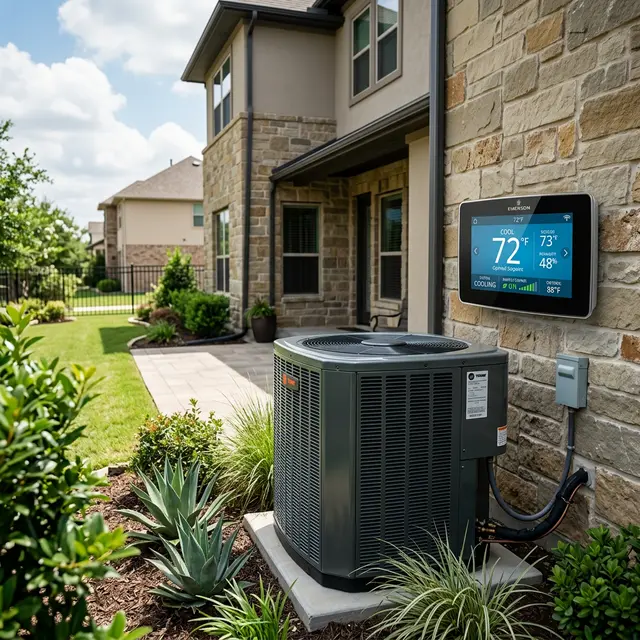
Ecobee Premium (around $250) includes a built-in air quality monitor that measures PM2.5 (particulate matter), VOCs (volatile organic compounds), and CO2 levels directly from the thermostat unit. It displays a real-time air quality score on the screen and in the app, with color-coded ratings from good to poor.
The thermostat can automatically engage your HVAC fan when air quality degrades. When PM2.5 spikes - during cedar season, after cooking, or when outdoor pollen counts are high - the system turns on the blower to push air through your filter even when neither heating nor cooling is needed. This passive filtration mode uses minimal electricity (just the fan motor) while significantly reducing airborne particulate.
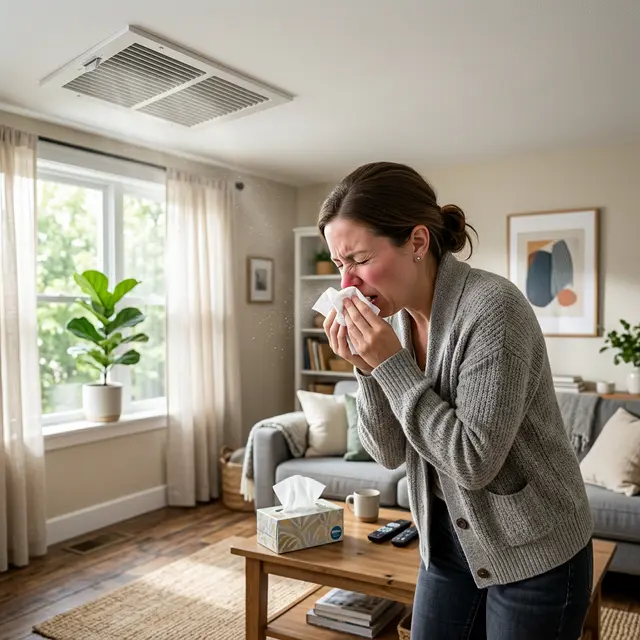
For Austin homes, the PM2.5 monitoring is the most valuable feature. During cedar season (December through March), pollen enters the home through doors, windows, and the building envelope. The Ecobee detects the spike and runs the fan to filter it out. During oak season (March through May), the same automation kicks in. You get continuous air cleaning without having to manually switch the fan to 'on' mode and remember to switch it back.
The limitation: Ecobee's sensor reads air quality at the thermostat location only, typically in a hallway. Air quality can vary significantly between rooms, especially between floors. The thermostat may read good air quality in the hallway while the bedroom above the garage has elevated particulate from a leaky attic duct pulling in unfiltered air. Supplementary sensors in problem rooms provide a more complete picture.
Nest, PurpleAir, and Third-Party Integration
Google Nest thermostats do not have built-in air quality sensors, but they integrate with external sensors through Google Home routines. PurpleAir outdoor sensors (around $230) measure PM2.5 at your home's location and feed data to Google Home, which can trigger Nest automations based on outdoor conditions. When PurpleAir detects high PM2.5 from wildfire smoke, pollen, or construction dust, a Google Home routine can close the fresh air intake damper (if you have a smart damper) and switch the Nest fan to continuous mode.
Indoor sensor integration requires Airthings or similar devices that connect to Google Home. Airthings Wave Plus ($230) measures radon, VOCs, CO2, humidity, temperature, and air pressure, reporting to the Airthings app and to Google Home. You can create routines that respond to specific readings - for example, when Airthings detects humidity above 55%, trigger the Nest to lower the cooling set point by 2 degrees to force more dehumidification cycles.
This Nest-plus-external-sensor approach is more flexible than Ecobee's all-in-one solution because you can place multiple sensors throughout the house and create different responses for different conditions. The tradeoff is complexity - setting up Google Home routines requires more technical effort than Ecobee's plug-and-play air quality features.
Airthings for VOC, Radon, and Humidity Monitoring
Airthings specializes in indoor air quality monitoring and offers several devices relevant to Austin homeowners. The Wave Plus ($230) measures radon, VOCs, CO2, humidity, temperature, and air pressure. The View Plus ($300) adds PM2.5 measurement and a display screen. Both connect to WiFi and the Airthings app, providing historical data and trend analysis.
Radon monitoring is often overlooked in Austin but should not be ignored. While Texas is generally considered a low-to-moderate radon risk state, specific areas of Central Texas, particularly those with limestone geology in the Hill Country and western Travis County, can have elevated radon levels. Airthings provides continuous radon monitoring with alerts when levels exceed the EPA's action threshold of 4 pCi/L.
VOC monitoring catches issues that you cannot see or smell at low concentrations. New furniture off-gassing formaldehyde, cleaning products releasing chemicals, and fresh paint all contribute to indoor VOC levels. In newer Austin homes with tight building envelopes and energy-efficient windows, these chemicals accumulate faster because natural ventilation is limited. An Airthings sensor alerts you when VOC levels rise, prompting ventilation or air filtration.
Humidity monitoring is arguably the most valuable Airthings feature for Austin. Austin's outdoor humidity averages 67% annually but swings from 30% during dry winter cold fronts to 90%+ during humid summer mornings. Your HVAC system should maintain indoor humidity between 40-55%. When Airthings shows humidity consistently above 55%, it indicates your system is not dehumidifying adequately - a sign of an oversized system, dirty coil, or ductwork issues that warrant professional inspection.
Want to Know Where Your Energy Goes?
We identify the biggest efficiency gaps in your home and give you a clear plan to fix them.
Call (512) 601-4451Estimate how much you could save on energy bills
Automated HVAC Responses: What Actually Helps in Austin
Not every automation is worth setting up. Here are the ones that make a real difference for Austin's climate and allergen profile.
Fan mode on PM2.5 spike is the single most valuable automation. When pollen, cooking particulate, or dust raises PM2.5 above 25 (the WHO 24-hour guideline), your thermostat switches the blower fan to continuous mode. This pushes all indoor air through your MERV 11+ filter repeatedly until PM2.5 drops to acceptable levels. During cedar season, this automation can run the fan for several additional hours per day, which costs roughly $0.50-$1.00 in electricity but provides measurable allergy relief.
Dehumidification trigger at 55% humidity prevents the conditions that lead to biological growth in ducts and on coils. When humidity exceeds the threshold, the thermostat lowers the cooling set point by 2-3 degrees to force the AC to cycle, which removes moisture as a byproduct of cooling. This is especially important during Austin's humid shoulder seasons (April-May and September-October) when temperatures are mild but humidity is high.
CO2-based ventilation is useful in tightly sealed newer Austin homes. When CO2 exceeds 1,000 ppm (indicating poor air exchange from too many occupants and too little fresh air), the system can trigger a fresh air intake cycle. This brings in outdoor air, passes it through the filter, and improves indoor freshness. However, disable this automation during high-pollen days when outdoor air quality is worse than indoor.
Temperature adjustment based on outdoor forecast - some thermostats pre-cool the home during morning hours when electricity is cheaper and the system operates more efficiently (outdoor temperature differential is smaller), reducing the workload during expensive peak afternoon hours. In Austin's tiered rate structure, this can shift kWh from Tier 2 to Tier 1 pricing.
What Smart Sensors Cannot Fix: When You Need Professional Service
Smart thermostats and air quality sensors are monitoring and response tools. They detect problems and automate the system's reaction, but they cannot fix the underlying causes of poor air quality. A PM2.5 sensor that constantly reads high indicates your ducts need cleaning, your filter needs upgrading, or your ductwork has leaks pulling in unfiltered attic air. The sensor identifies the problem - only professional service solves it.
Humidity sensors that consistently show readings above 55% despite normal AC operation point to HVAC issues that technology alone cannot address: a dirty evaporator coil, an oversized system that short-cycles before removing enough moisture, or ductwork problems that prevent proper dehumidification. These require hands-on diagnosis and repair.
VOC readings that remain elevated after ventilation suggest contamination sources that need physical removal or remediation, not just airflow adjustments. UV-C light systems installed inside the HVAC handle biological contaminants, but VOC sources like deteriorating duct liner or contaminated insulation require professional inspection and replacement.
Think of smart sensors as the diagnostic tool and professional HVAC service as the treatment. The sensors tell you what is wrong in real time, which helps you catch problems early and verify that fixes worked. But when the data says your air quality needs help, the solution is professional duct cleaning, duct sealing, filter upgrades, UV-C installation, or coil cleaning - not another app notification. Call (512) 601-4451 for professional air quality assessment and service across Austin and Central Texas.
Related Services
Learn more about our professional services related to this topic:
- Air Duct Cleaning - Remove dust, allergens, and debris from your entire HVAC system for cleaner indoor air.
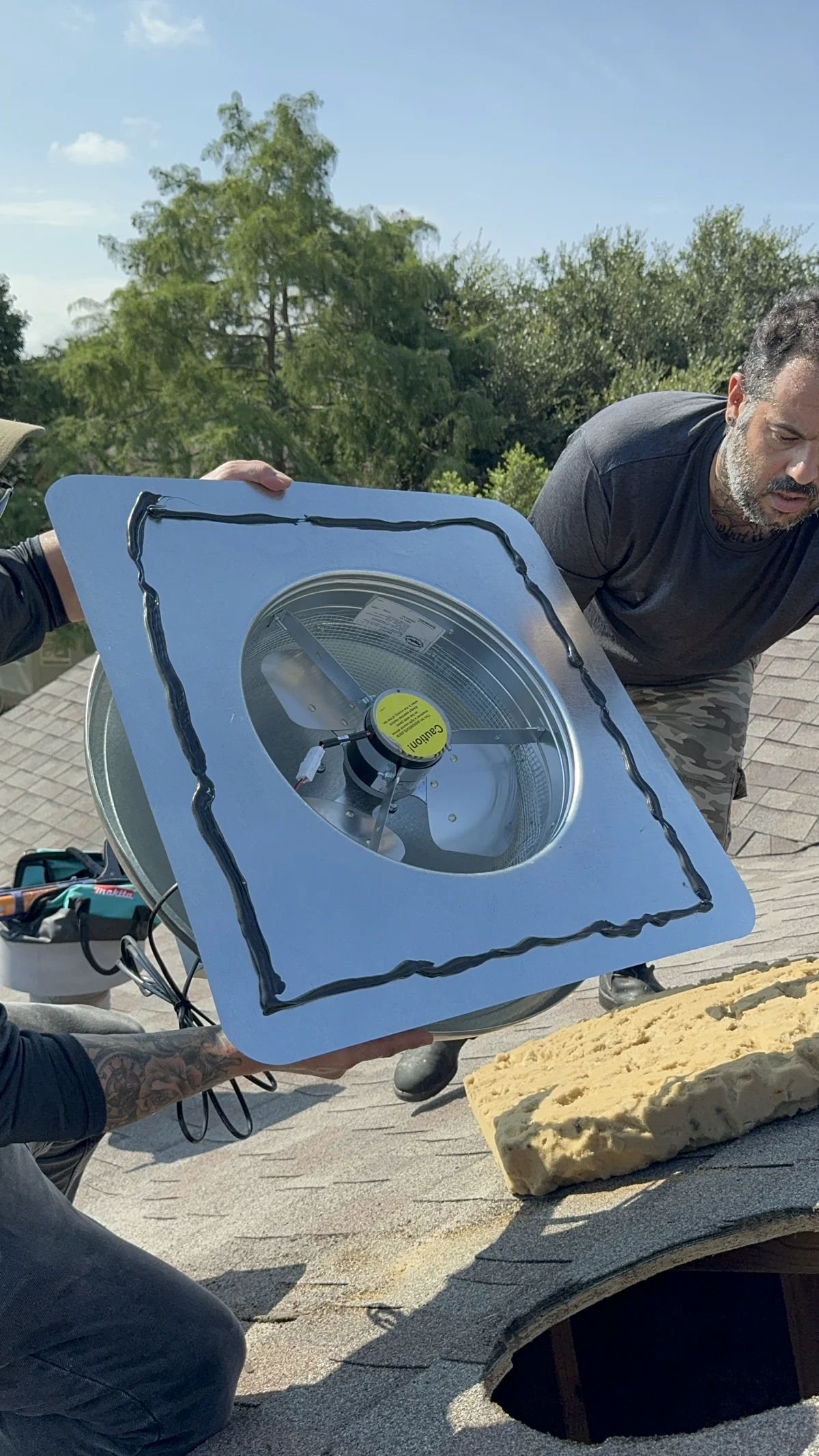
- Solar Fan Installation - Solar-powered attic ventilation that cuts cooling costs naturally.
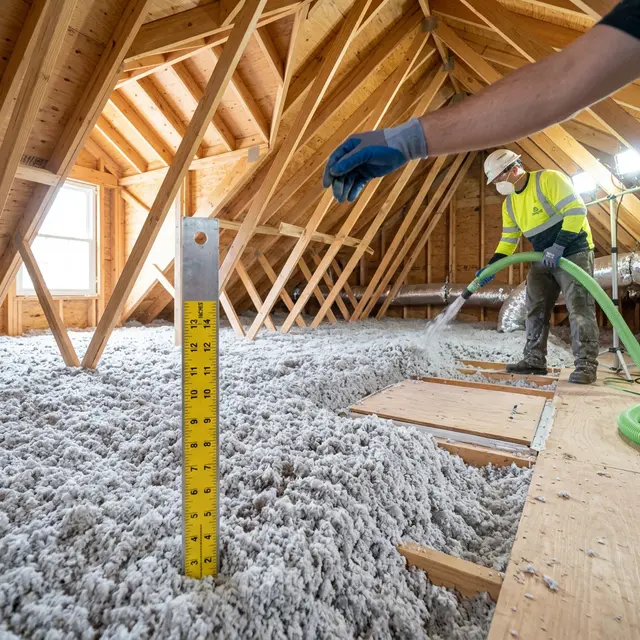
- Attic Insulation - Premium blown-in insulation to cut energy costs and improve year-round comfort.
- UV Lighting System - Eliminate bacteria and allergens inside your HVAC with UV-C light technology.
Want the full picture?
Read our complete guide: Home Energy Efficiency: The Cost-Saving Guide for Austin →Have questions about energy efficiency? Our team is available 7 days a week. Call us at (512) 601-4451 or visit our contact page.