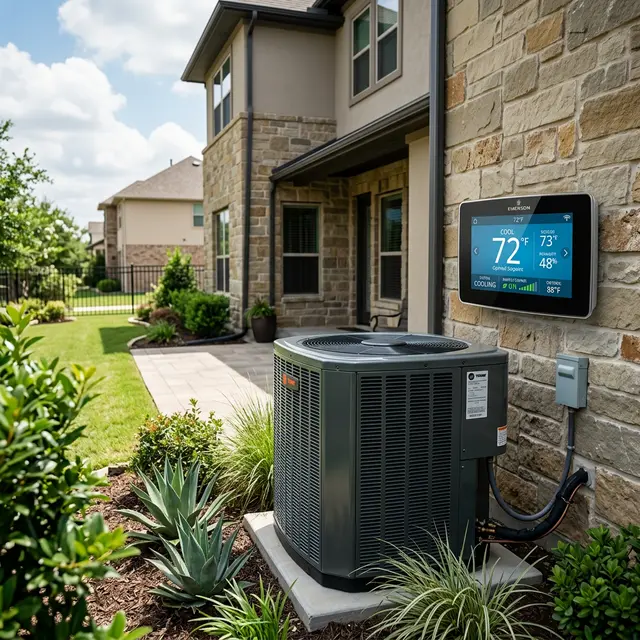
HVAC zoning systems use motorized dampers and multiple thermostats to control temperatures independently in different areas of your home. For Austin homes, installation costs range from $1,500 for a basic two-zone retrofit to $8,500 for a multi-zone system with smart controls. The best candidates are two-story homes, homes with large additions, and properties with home offices or rooms over garages. Zoning typically saves 20-30% on energy costs by not conditioning empty rooms, but it requires properly sized ductwork to avoid problems. Call (512) 601-4451 for a duct inspection before installing zoning.
What HVAC Zoning Is and How It Works
A standard HVAC system treats your entire home as one zone. When the thermostat calls for cooling, every room gets the same amount of conditioned air regardless of whether anyone is in that room. HVAC zoning divides your home into two or more independent zones, each with its own thermostat and motorized dampers inside the ductwork that open and close to direct airflow where it is needed.
The system works through a zone control panel that communicates between each thermostat and the corresponding duct dampers. When Zone 1 (say, the bedrooms) calls for cooling, the dampers to those rooms open while dampers to Zone 2 (the living areas) close or partially close. The AC runs and sends conditioned air primarily to the rooms that need it. When Zone 2 calls for cooling instead, the dampers reverse.
Most residential zoning systems use two to four zones. A common Austin setup puts the second floor on one zone and the first floor on another, addressing the chronic problem of upstairs rooms being 5-10 degrees warmer than downstairs. More advanced systems can create individual room zones, though the cost and complexity increase with each additional zone.
HVAC Zoning Costs in Austin: What to Expect
A basic two-zone system retrofit on existing ductwork typically costs $1,500-$3,500 in Austin. This includes two motorized dampers, a zone control panel, an additional thermostat, and installation labor. The price depends on duct accessibility (attic-accessible ducts are cheaper to retrofit than ducts in walls or crawl spaces) and the complexity of the existing duct layout.
A three- or four-zone system runs $3,000-$6,000. Each additional zone requires another motorized damper, thermostat, and wiring run to the control panel. Systems with smart thermostats (Ecobee or Nest) instead of basic programmable units add $200-$400 per zone but provide remote control, scheduling, and integration with home automation systems.
High-end zoning systems with variable-speed equipment and smart damper controls can reach $6,000-$8,500. These systems use a variable-speed blower that adjusts airflow based on how many zones are calling, which prevents the pressure buildup problems that plague simpler zoning setups. If you are installing zoning as part of a complete HVAC replacement, the incremental cost of adding zoning to a new variable-speed system is lower than retrofitting an existing single-speed system.
Best Candidates for Zoning in Austin
Two-story homes are the top candidates for zoning in Austin. Heat rises, and in a two-story Austin home during summer, the second floor can be 5-10 degrees warmer than the first floor even with the AC running constantly. Zoning lets you direct more cooling to the second floor during afternoon peak heat without over-cooling the first floor. This is the single most common zoning installation we see in Central Texas.
Homes with large additions or bonus rooms benefit significantly. If you added a room over the garage, converted the garage, or built an addition, the existing HVAC system often struggles to condition the new space adequately. Zoning ensures the addition gets sufficient cooling without overcooling the original house.
Home offices are another strong candidate, especially since remote work became permanent for many Austin residents. If you work from home in a room that faces west or sits above the garage, you need that room comfortable from 8 AM to 6 PM while the bedrooms sit empty. Zoning lets you prioritize the office during work hours and the bedrooms at night without conditioning the entire house to the coldest room's needs.
Homes with large windows, sunrooms, or rooms with poor insulation can also benefit. Any room that gains heat faster than the rest of the house creates a temperature imbalance that zoning can address. In Austin, west-facing rooms with large windows are notorious for afternoon heat gain that makes them uncomfortable while the rest of the house stays cool.
The Ductwork Problem: Why Sizing Matters
Here is where many zoning installations go wrong. When a motorized damper closes off one zone, the air that would have gone to those rooms has to go somewhere. In a single-speed system (which most Austin homes have), the blower pushes the same volume of air regardless of how many dampers are open. If half the dampers close, the same air volume is forced through the remaining open ducts, increasing air velocity and static pressure.
High static pressure causes several problems: noisy airflow from vents (a whooshing or whistling sound), increased wear on the blower motor, duct leaks at stressed joints, and uneven air distribution in the open zones. In severe cases, excessive pressure can cause flex duct to balloon and eventually tear in the attic.
Properly designed zoning systems address this with a bypass duct or a variable-speed blower. A bypass duct connects the supply plenum to the return side, giving excess air a path back to the system when zones close. A variable-speed blower (also called an ECM motor) automatically reduces airflow when fewer zones call for air, maintaining proper pressure throughout the system.
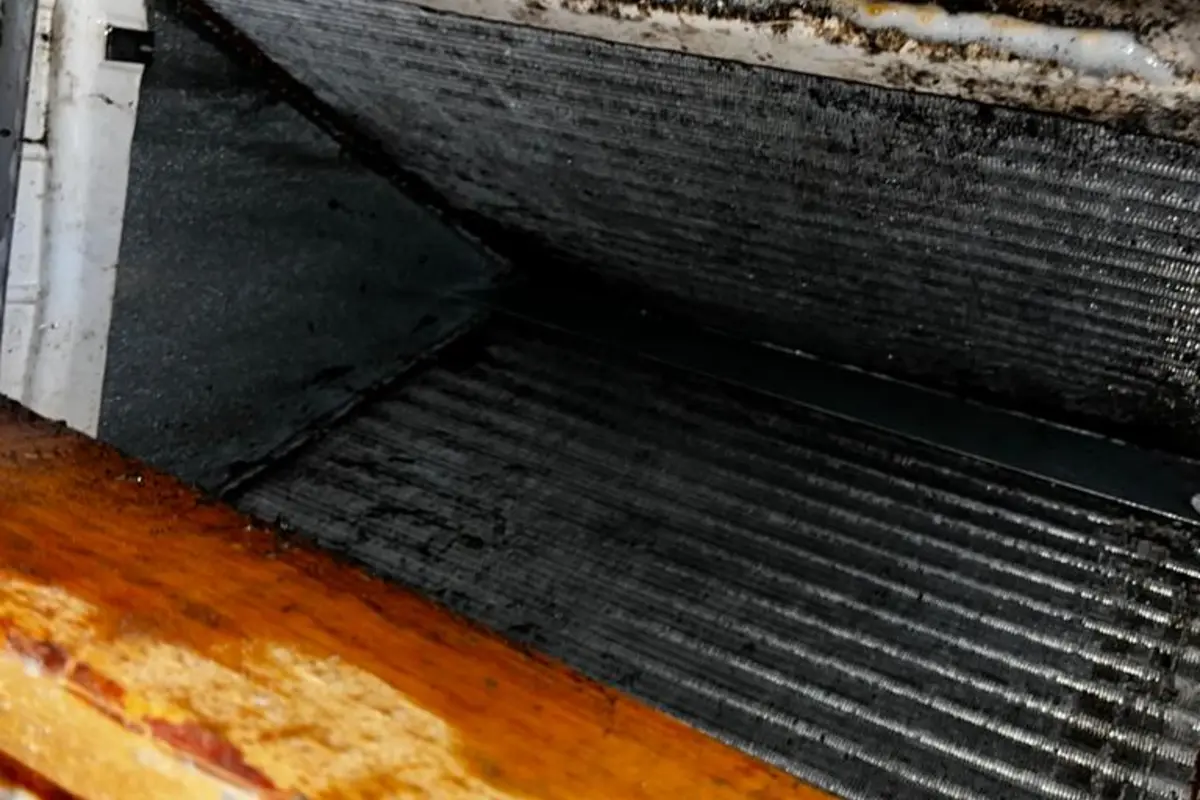
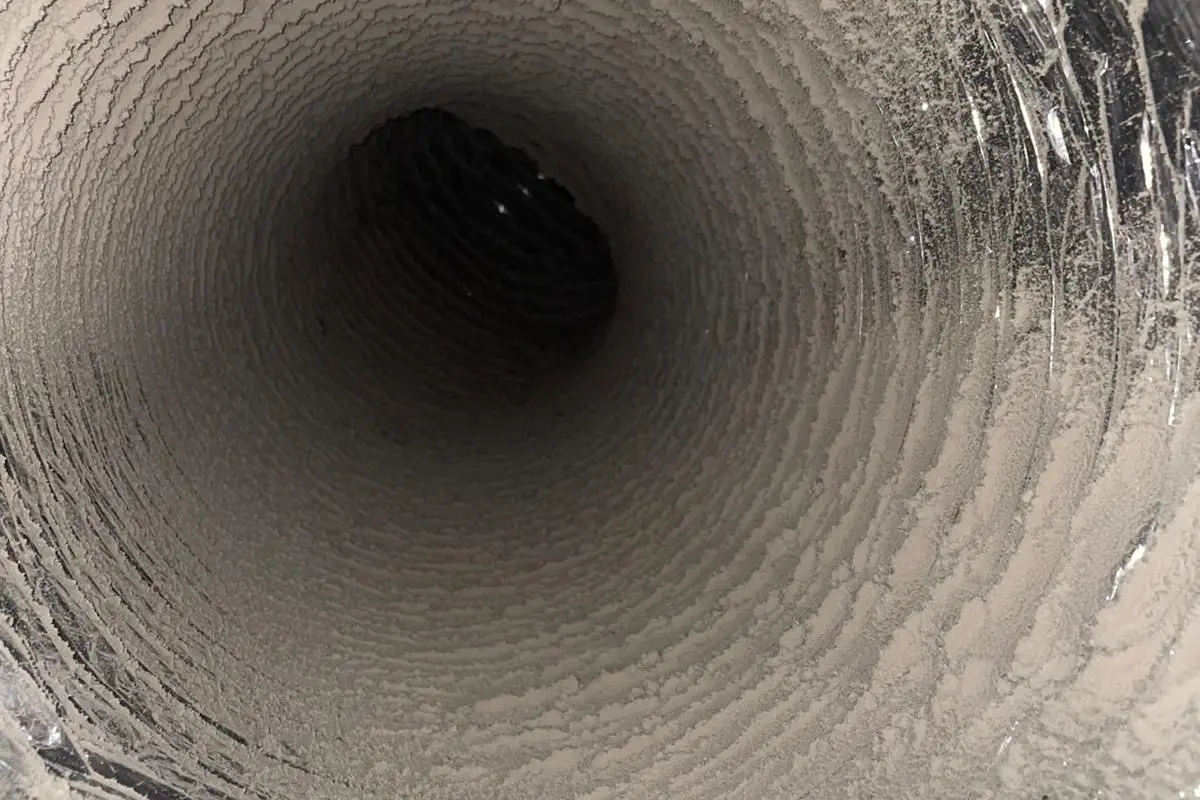
Before installing a zoning system, your ductwork needs professional evaluation. Duct runs must be properly sized for the airflow each zone requires, connections must be sealed to handle the pressure variations, and any existing damage needs repair. Air Central provides HD camera duct inspection that identifies sizing issues, leaks, and damaged sections before zoning installation. Call (512) 601-4451 to schedule an inspection.
Want to Know Where Your Energy Goes?
We identify the biggest efficiency gaps in your home and give you a clear plan to fix them.
Call (512) 601-4451Estimate how much you could save on energy bills
DIY Alternatives to Full Zoning Systems
Not every temperature imbalance requires a $3,000+ zoning system. Several lower-cost alternatives address common comfort issues in Austin homes.
Register boosters are small fans that fit over supply vents and increase airflow to specific rooms. They cost $30-$80 each and plug into a standard outlet. For a room that consistently runs 3-5 degrees warm, a register booster can provide enough additional airflow to close the gap. They are not as elegant as motorized dampers, but they work for mild imbalances.
Partially closing registers in over-cooled rooms can redirect some airflow to warmer rooms. Close registers no more than 50-75% - fully closing them creates the same static pressure problems as zoning dampers without a bypass. This approach works best in homes with 3-4 degree variations between rooms.
Ceiling fans in warm rooms provide a wind chill effect that makes the room feel 4-6 degrees cooler without changing the actual air temperature. Running a ceiling fan costs about $0.01 per hour in electricity. For second-floor bedrooms that run warm, a ceiling fan combined with closing curtains on sun-facing windows can eliminate the need for zoning entirely.
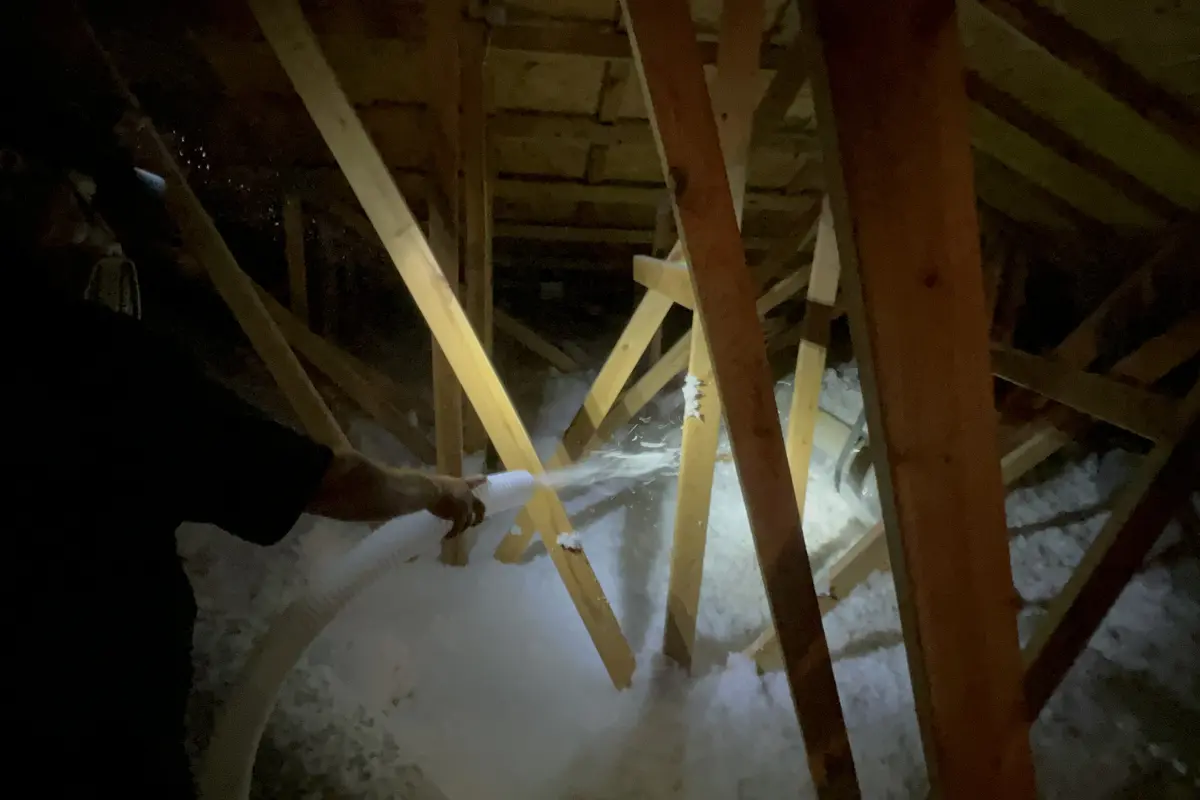
Improving attic insulation above specific rooms addresses the root cause rather than the symptom. If the master bedroom is hot because it has R-13 insulation instead of R-38, adding insulation above that room costs $300-$500 and permanently fixes the problem. This is often more cost-effective than zoning for single-room heat issues.
When Zoning Saves Money vs When It Wastes Money
Zoning saves money when you have distinct usage patterns - rooms that are occupied at different times of day. A two-story home where the family lives downstairs during the day and sleeps upstairs at night is the ideal scenario. Instead of cooling the entire house to 72 degrees 24/7, you cool the downstairs during the day and the upstairs at night, cutting energy consumption by 20-30%.
Zoning wastes money when the entire house is occupied simultaneously and all rooms need similar temperatures. If your family uses all rooms throughout the day, closing dampers does not reduce energy use - it just moves it around. In this scenario, the cost of the zoning system provides little or no energy savings.
Zoning can actually increase costs if installed incorrectly on a system with undersized ductwork or a single-speed blower without a bypass. The pressure problems cause the system to work harder, increase component wear, and may lead to premature failure of the blower motor or compressor.
The bottom line: zoning is excellent for the right situation and a waste of money for the wrong one. Start with a professional duct inspection to determine whether your system can support zoning and whether simpler alternatives might solve your comfort issues at a fraction of the cost. Call (512) 601-4451 to schedule an assessment.
Related Services
Learn more about our professional services related to this topic:
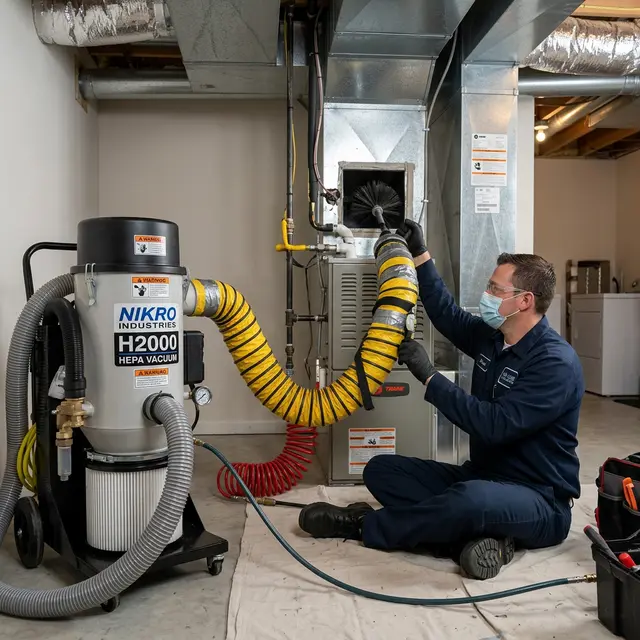
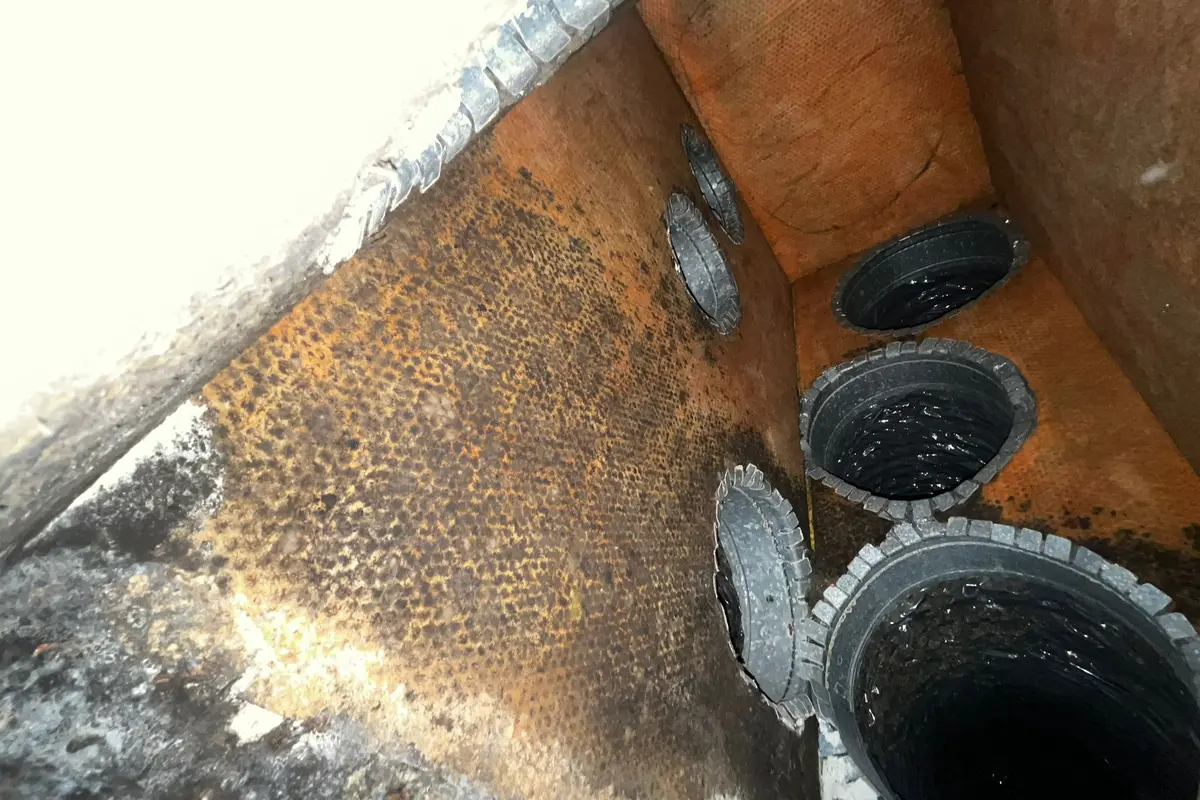
- Air Duct Cleaning - Remove dust, allergens, and debris from your entire HVAC system for cleaner indoor air.
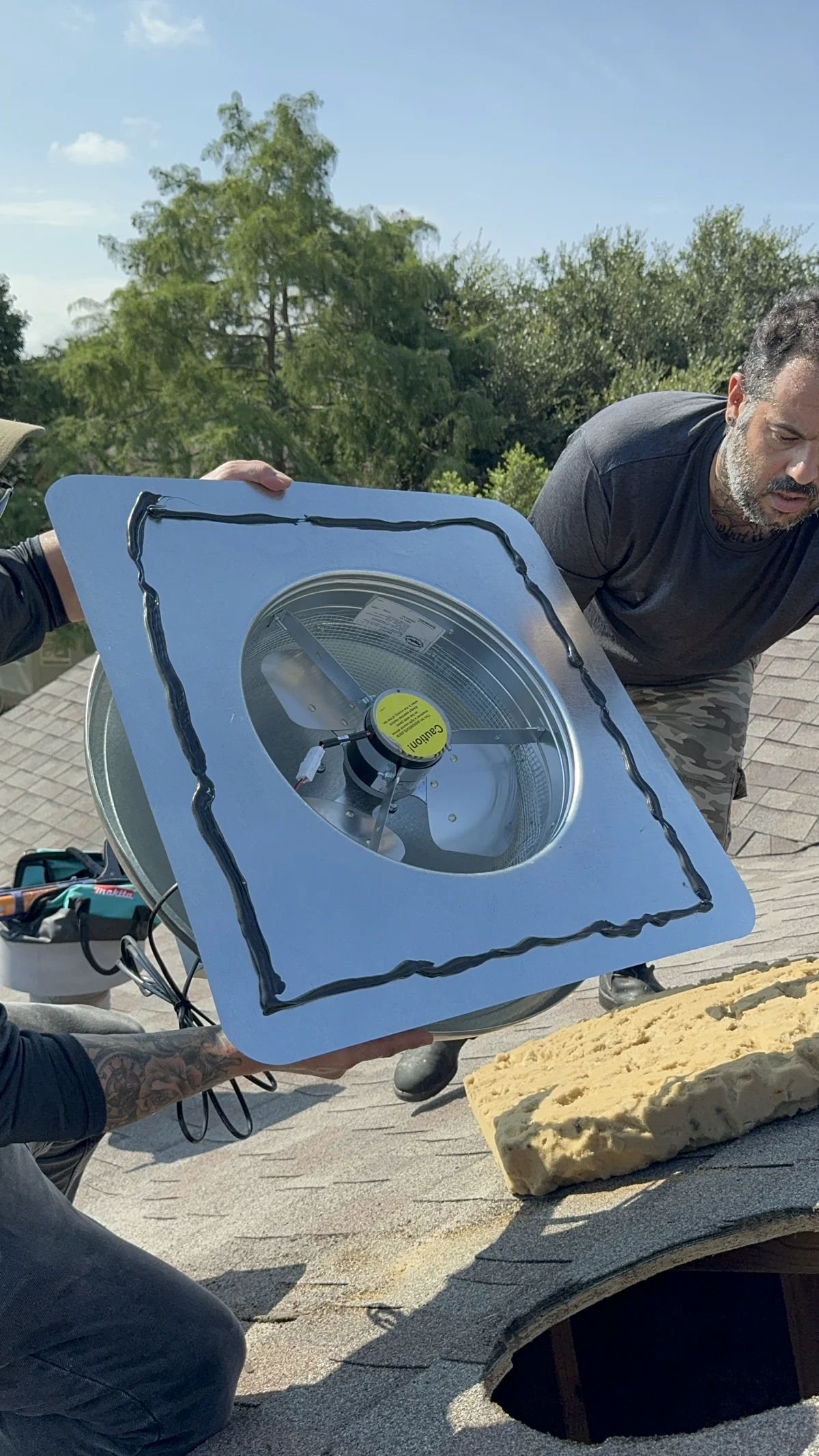
- Solar Fan Installation - Solar-powered attic ventilation that cuts cooling costs naturally.
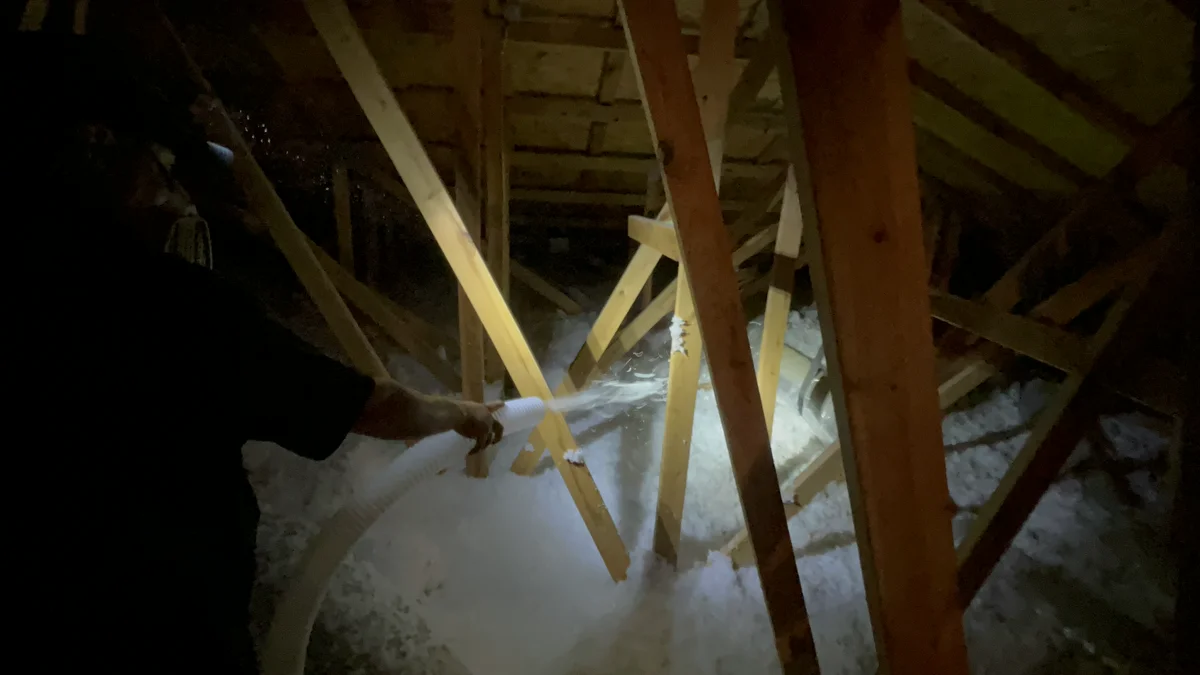
- Attic Insulation - Premium blown-in insulation to cut energy costs and improve year-round comfort.
- UV Lighting System - Eliminate bacteria and allergens inside your HVAC with UV-C light technology.
Want the full picture?
Read our complete guide: Home Energy Efficiency: The Cost-Saving Guide for Austin →Have questions about energy efficiency? Our team is available 7 days a week. Call us at (512) 601-4451 or visit our contact page.