Never turn your AC completely off before a long vacation in Austin. Set the thermostat to 80-85 degrees F to control humidity and prevent microbial growth in your ductwork and home. Change the filter, clear the condensate drain, and check for leaks before leaving. When you return, lower the thermostat gradually (2-3 degrees per hour) and smell the air from the first vent - a musty odor means your system needs professional attention. Call (512) 601-4451 if your home smells musty after an extended vacancy.
Why You Should Never Turn Off the AC in Austin
Austin averages 67% relative humidity year-round, and summer humidity regularly exceeds 80% in the morning hours. When you turn your AC completely off during a vacation, humidity inside your home rises uncontrolled. Within 48-72 hours in summer, indoor humidity can climb above 70%, which creates ideal conditions for microbial growth on every surface - walls, ceilings, furniture, and especially inside your dark, enclosed ductwork.
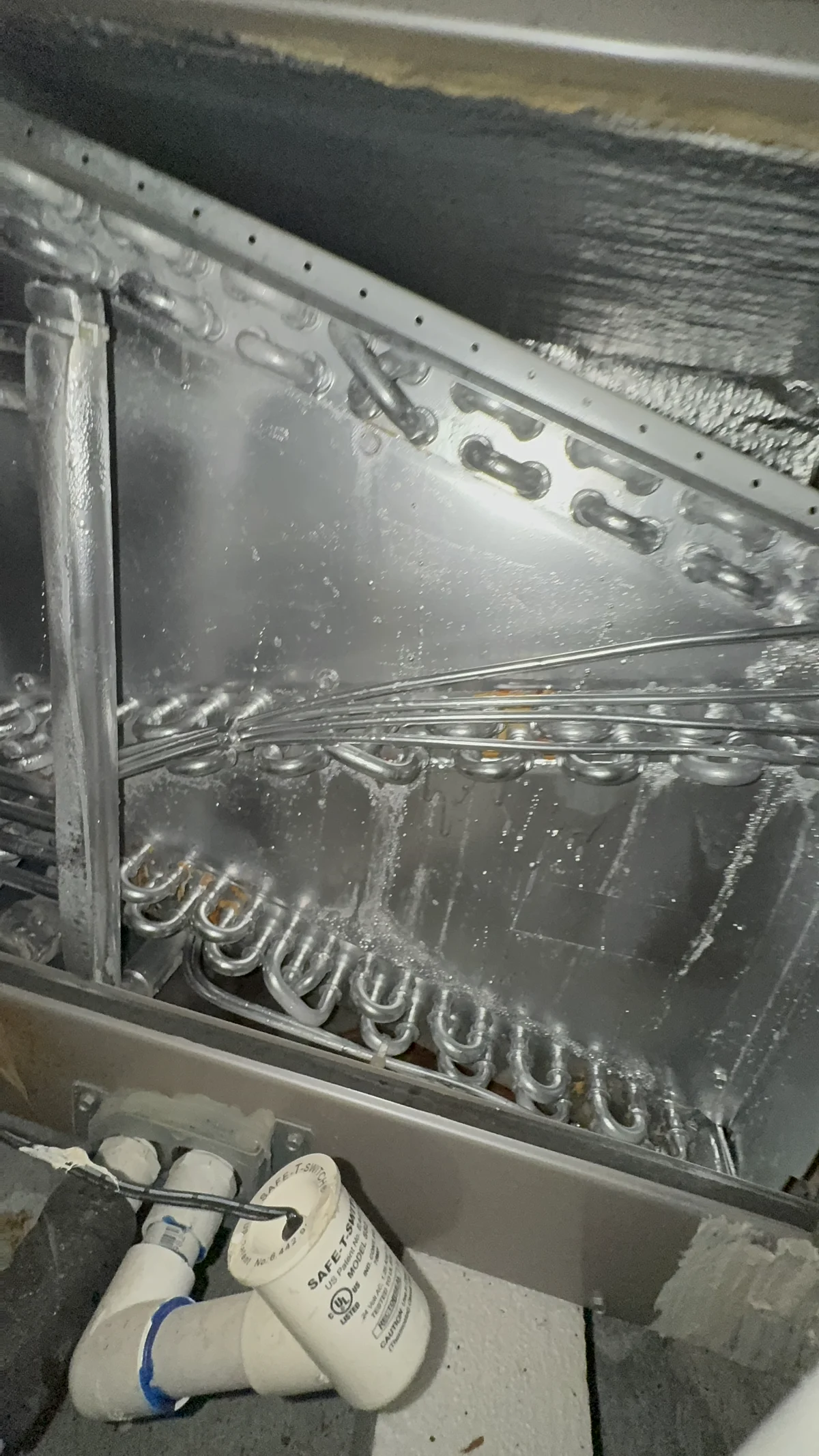
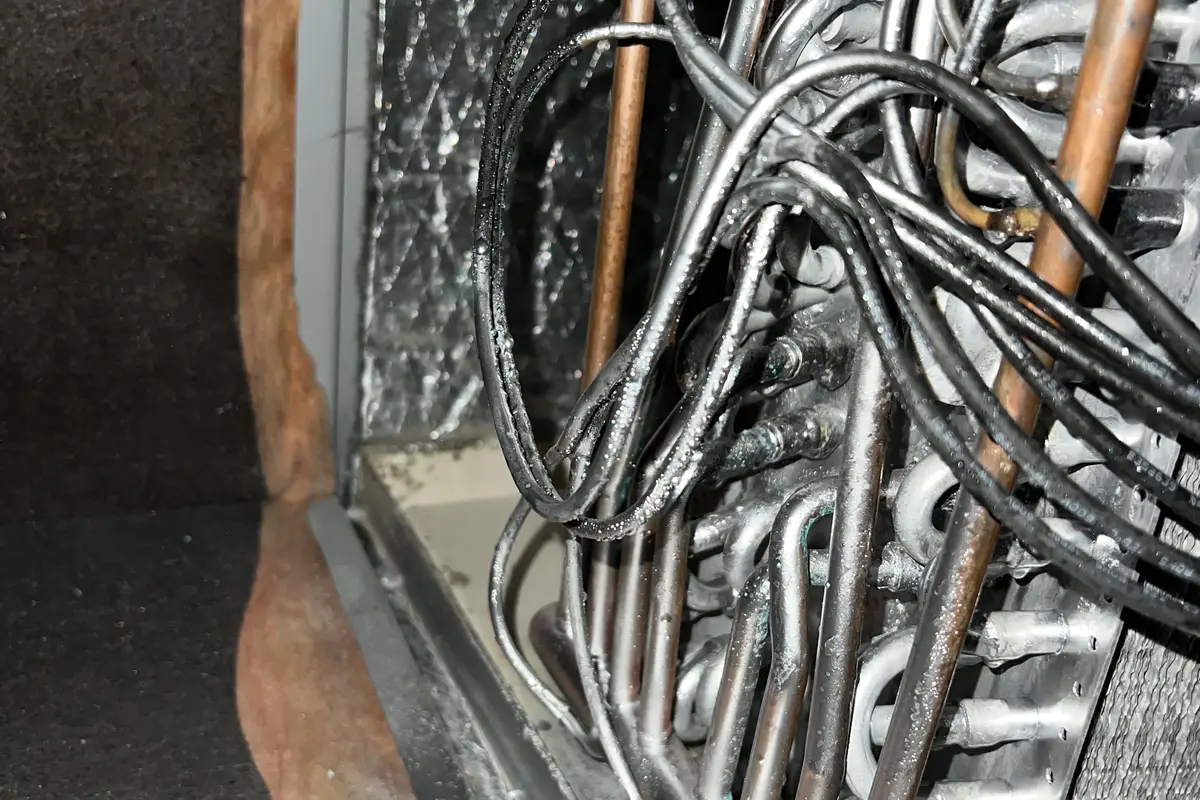
Your AC system does two critical jobs: cooling and dehumidifying. Even when the temperature is not dangerously high, moisture control is essential. A home sitting at 90 degrees with 80% humidity for two weeks is an incubation chamber. The ductwork, evaporator coil, and drain pan are the first places where growth takes hold because they already have moisture residue from normal operation.
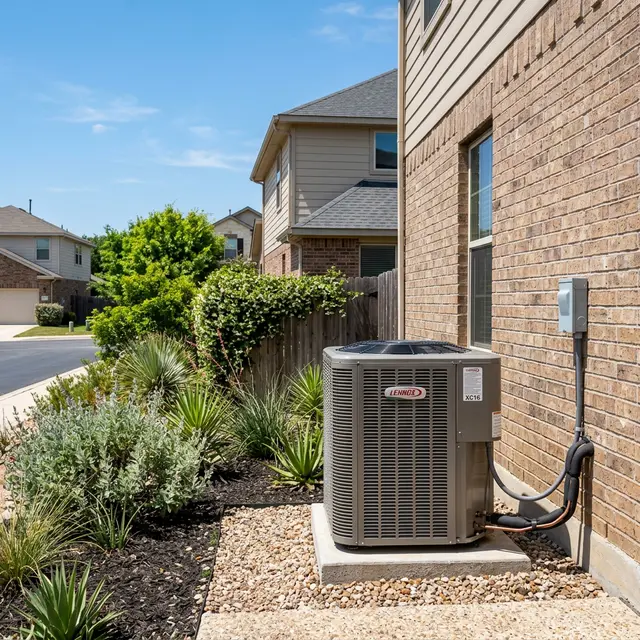
The correct approach is to set the thermostat to 80-85 degrees F. The system will cycle periodically to maintain that temperature, and each cooling cycle also removes humidity from the air. You use significantly less electricity than running at your normal 72-74 degrees, but you maintain enough climate control to prevent moisture damage and biological growth.
Pre-Departure Checklist: Before You Leave
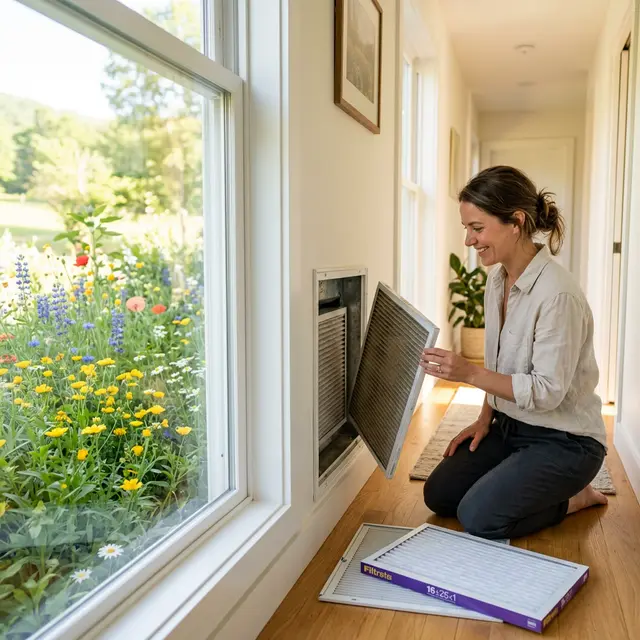
Change the HVAC filter before you leave. A clean filter ensures maximum airflow and filtration during the weeks your system runs unattended. If the filter is already due for replacement and you leave it, the system works harder with restricted airflow, and any contaminants that pass through a clogged filter settle in the ductwork while no one is home to notice.
Clear the condensate drain line. Pour a cup of white vinegar down the drain line to prevent algae and slime buildup that can clog the line while you are away. A clogged condensate drain causes water to back up into the drain pan and potentially overflow, leading to water damage on ceilings and walls below the air handler. This is one of the most common HVAC-related water damage scenarios in Austin, and it happens most often when homeowners are away and cannot catch the problem early.
Walk through the house and check for any unusual HVAC behavior before leaving. Listen for strange sounds from the system, check that all vents are blowing air, and make sure the outdoor unit is running when the system cycles. If something seems off, schedule a service call before your trip rather than leaving a marginal system running unattended for weeks.
Close all interior doors halfway (not fully) to maintain airflow circulation throughout the home. Fully closed doors in rooms with supply vents create pressure imbalances that stress the system. Set ceiling fans to off - they cool people, not rooms, and running them in an empty house wastes electricity without benefit.
What to Set Your Thermostat To (and Why 85 Is the Sweet Spot)
The ideal vacation thermostat setting for Austin is 80-85 degrees F. At 80, the system cycles more often and uses more electricity, but provides tighter humidity control. At 85, the system cycles less frequently but still engages often enough during Austin summers to pull humidity below the critical 60% threshold.
Do not set it above 88 degrees. At that point, the system may not cycle often enough to control humidity, especially during humid July and August nights when outdoor dew points reach the mid-70s. The energy savings between 85 and 90 degrees are minimal, but the moisture risk increases substantially.
If you have a smart thermostat (Nest, Ecobee, or similar), use the vacation or away mode. These modes maintain a set temperature while optimizing energy use. Some models also monitor humidity and will engage the AC specifically for dehumidification even if the temperature is below the cooling set point. If your smart thermostat has a humidity target, set it to 55% as a safety net.
Ready to Get Your System Checked?
Seasonal tune-ups catch small problems before they become expensive emergencies. Same-day service available.
Call (512) 601-4451Estimate how much you could save on energy bills
Coming Home: The Gradual Cool-Down Protocol
When you return from vacation, do not immediately set the thermostat to 72 degrees. If the house has been sitting at 85 for two weeks, asking the AC to drop 13 degrees all at once puts enormous strain on the compressor. The system will run continuously for hours trying to reach the set point, and the rapid temperature change can cause condensation on surfaces as warm, humid indoor air meets cold air from the vents.
Instead, lower the thermostat 2-3 degrees per hour. Set it to 82 when you arrive, then 79 an hour later, then 76, then your normal setting. This gradual approach lets the system cool the home steadily without overworking the compressor and gives the dehumidification process time to remove moisture without creating condensation issues.
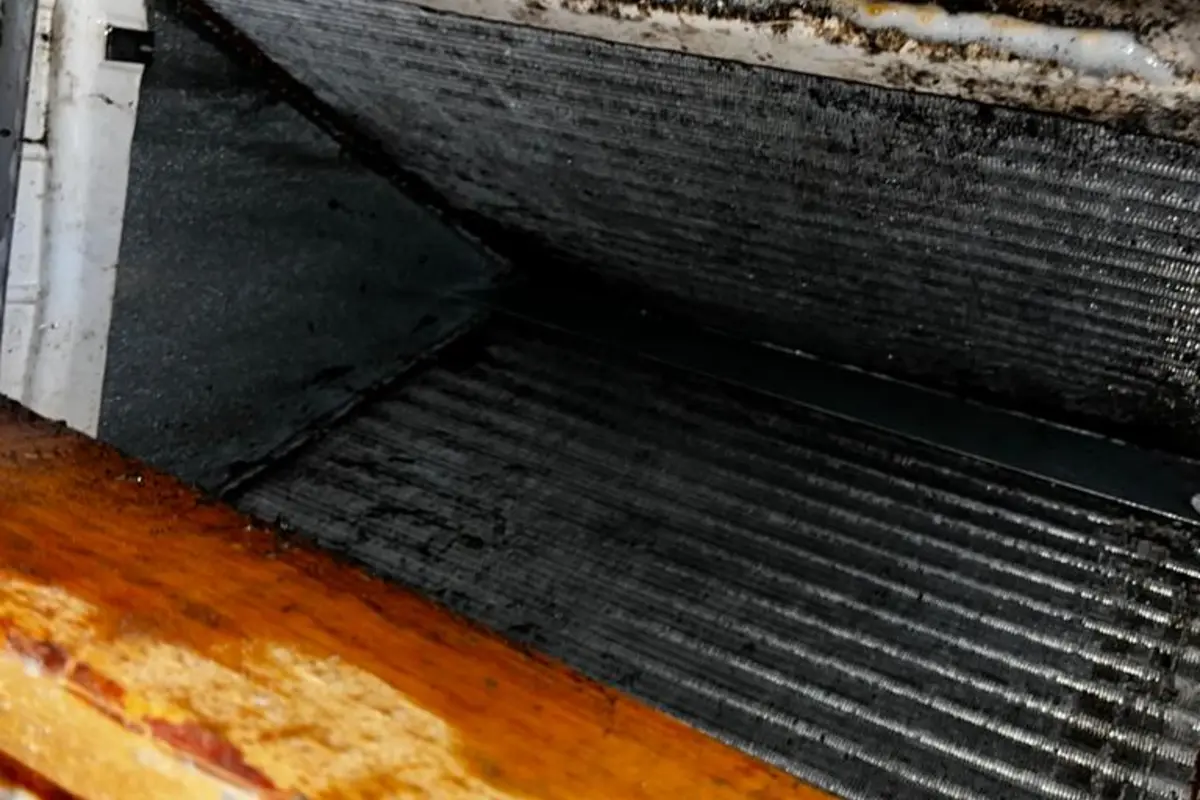
Pay attention to the air coming from the first vent that kicks on. If it smells musty, stale, or damp, your system may have developed biological growth during your absence. This is more common in homes that were set too high (above 88) or where the system experienced a failure during the vacancy. A musty smell after an extended vacancy warrants a professional inspection of the evaporator coil and ductwork.
When to Schedule Duct Cleaning After Extended Vacancy
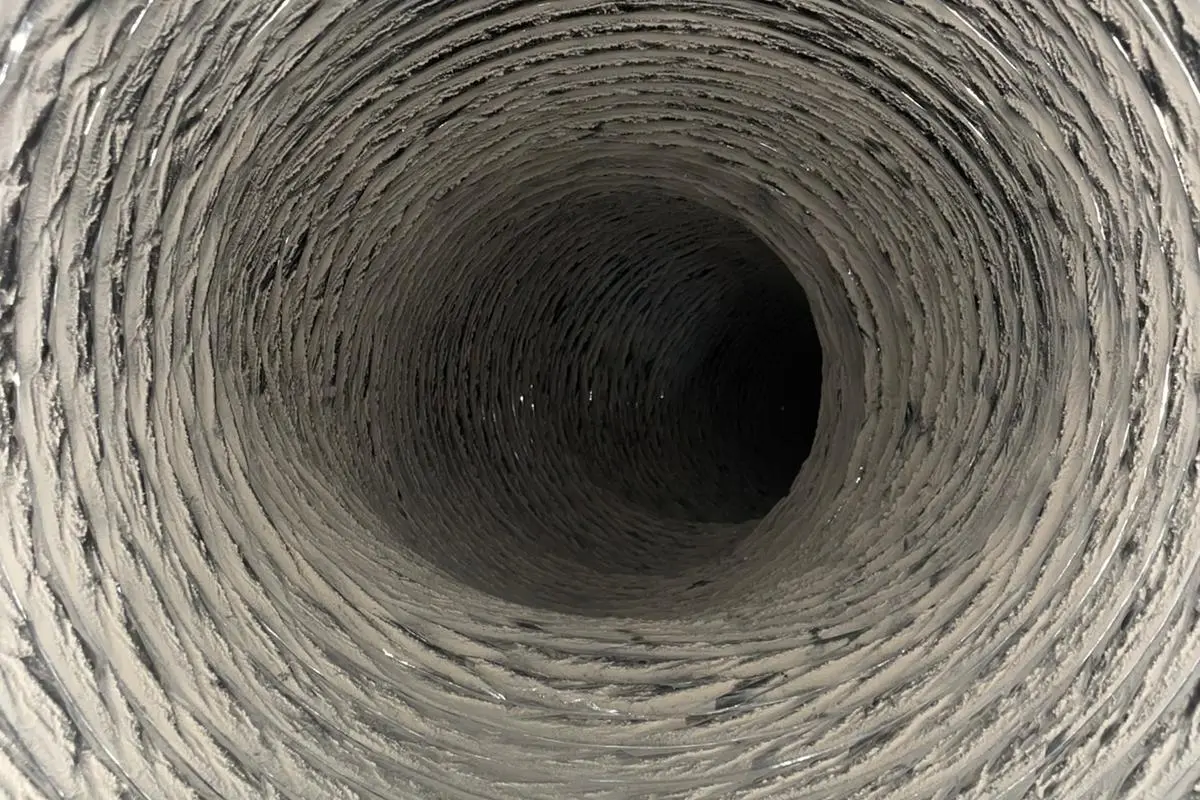
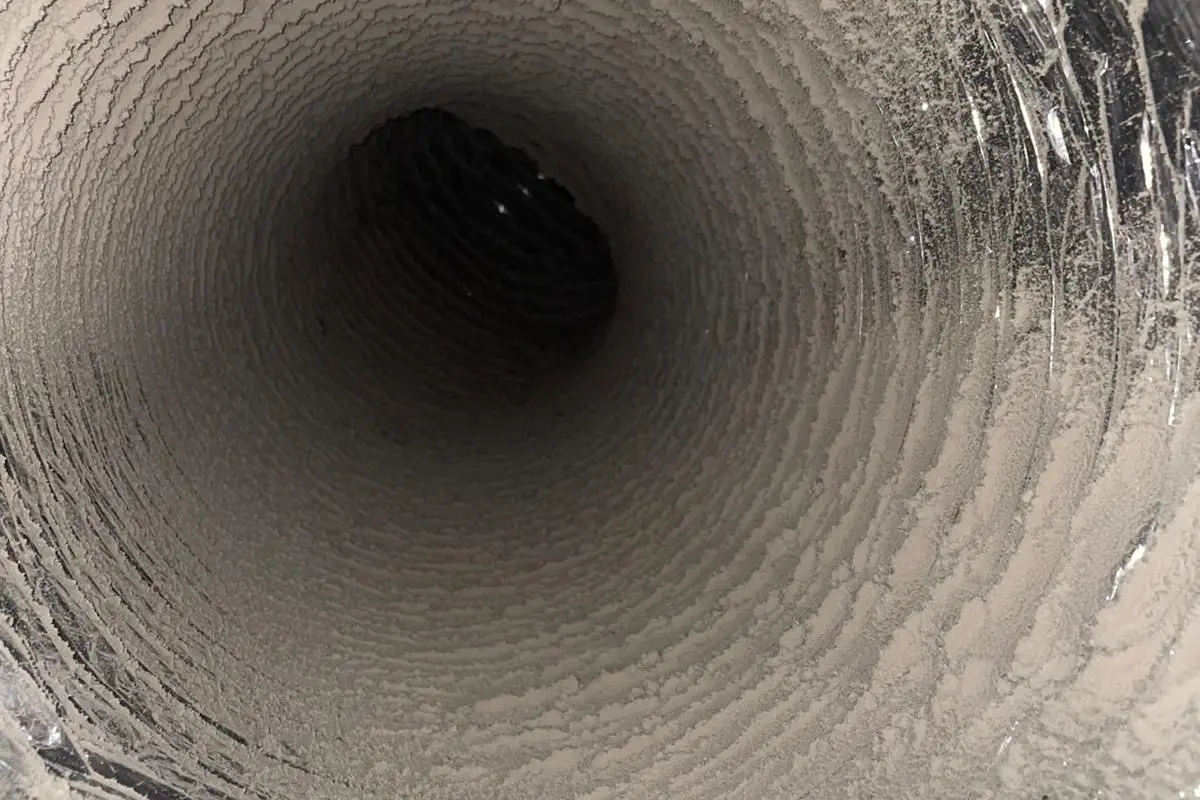
If you return home to a musty smell from the HVAC system, schedule professional duct cleaning and inspection promptly. The musty odor indicates microbial growth inside the ductwork or on the evaporator coil, and running the system in this condition circulates those spores throughout your home. An HD camera inspection will show exactly where the growth is and how extensive it has become.
Even without a musty smell, consider scheduling duct cleaning after any vacancy longer than 4-6 weeks, particularly during summer. Dust settles differently in an unoccupied home - without regular foot traffic and activity stirring air currents, particles settle onto duct surfaces and can form a layer that begins recirculating once normal HVAC usage resumes.
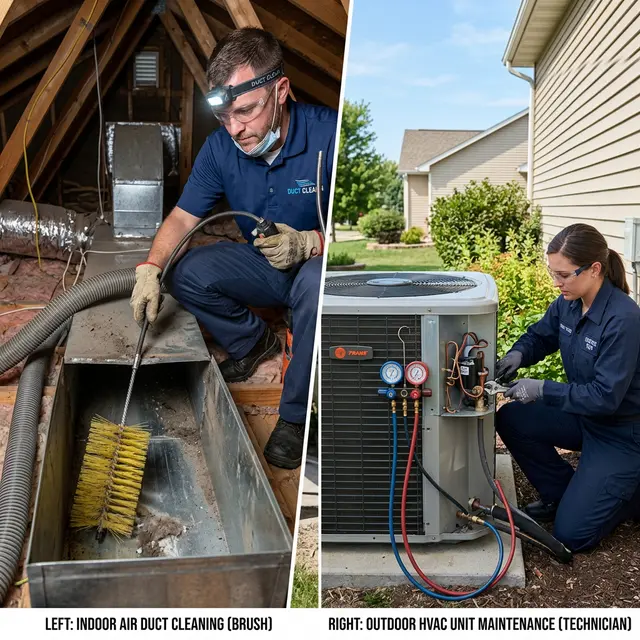
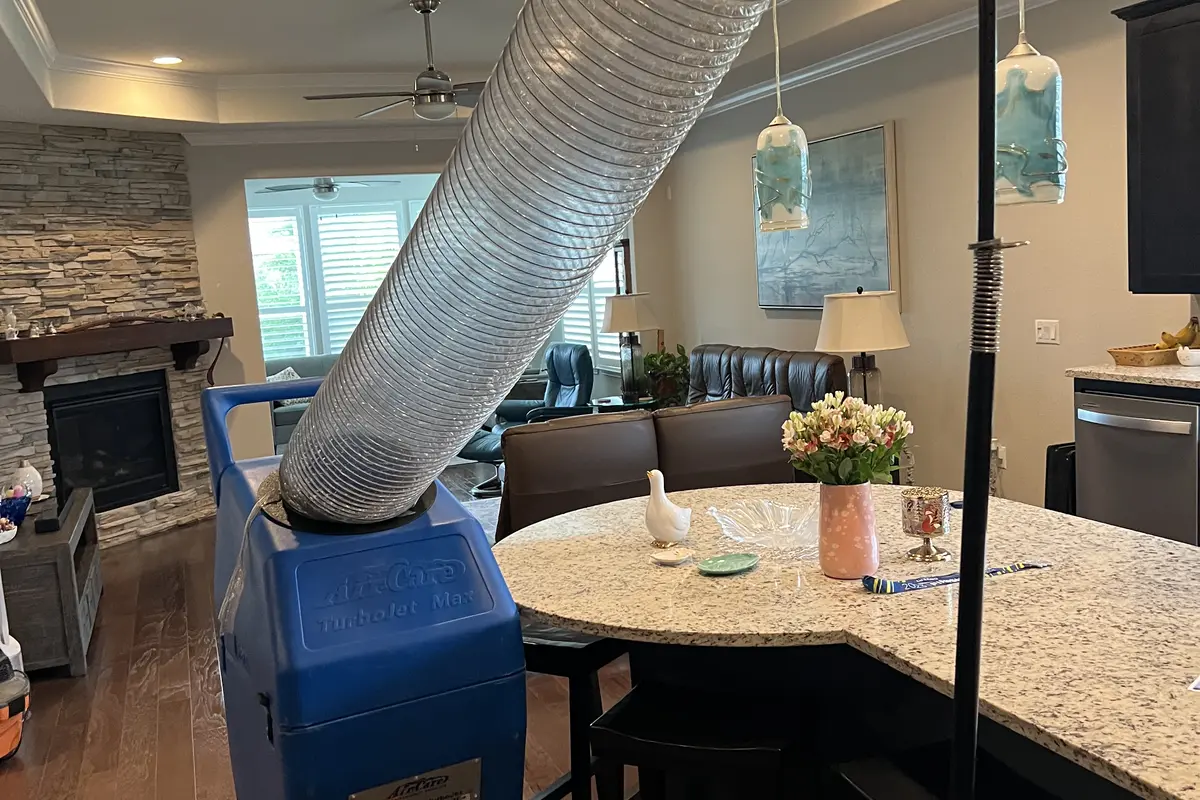
For Austin homeowners who travel frequently or own vacation properties, an annual duct cleaning schedule prevents the accumulation that leads to post-vacancy odor problems. Air Central provides professional duct cleaning with HD camera inspection for homes across Austin and 27 surrounding cities. Call (512) 601-4451 to schedule before or after your next extended trip.
Related Services
Learn more about our professional services related to this topic:
- Air Duct Cleaning - Remove dust, allergens, and debris from your entire HVAC system for cleaner indoor air.
- Dryer Vent Cleaning - Clear lint buildup to prevent fires and cut drying time in half.
- Chimney Sweep & Repair - Professional cleaning and 21-point safety inspection for your fireplace.
- Attic Insulation - Premium blown-in insulation to cut energy costs and improve year-round comfort.
Want the full picture?
Read our complete guide: Austin HVAC Seasonal Maintenance: Month-by-Month Guide (2026) →Have questions about seasonal guides? Our team is available 7 days a week. Call us at (512) 601-4451 or visit our contact page.