Clean air ducts every 3-5 years for most Austin homes. Clean every 2-3 years if you have pets, allergies, or smokers. Clean immediately after renovation, water damage, or if you see visible dust blowing from vents.
General Guidelines
The NADCA recommends inspection every 2 years and cleaning as needed. For Austin specifically, the 3-5 year interval accounts for our heavy pollen seasons (cedar and ragweed) and the fact that homes stay sealed with AC running for 6+ months per year. Each season adds another layer of pollen and dust to duct surfaces.
National averages suggest every 3-5 years, but Austin homes trend toward the more frequent end of that range. Our climate forces homes to stay sealed up 8-10 months per year between summer heat and cedar season. That means your HVAC system recirculates indoor air thousands of times between professional cleanings, and every particle that makes it past the filter ends up coating the inside of your ductwork.
Austin-Specific Factors That Increase Frequency
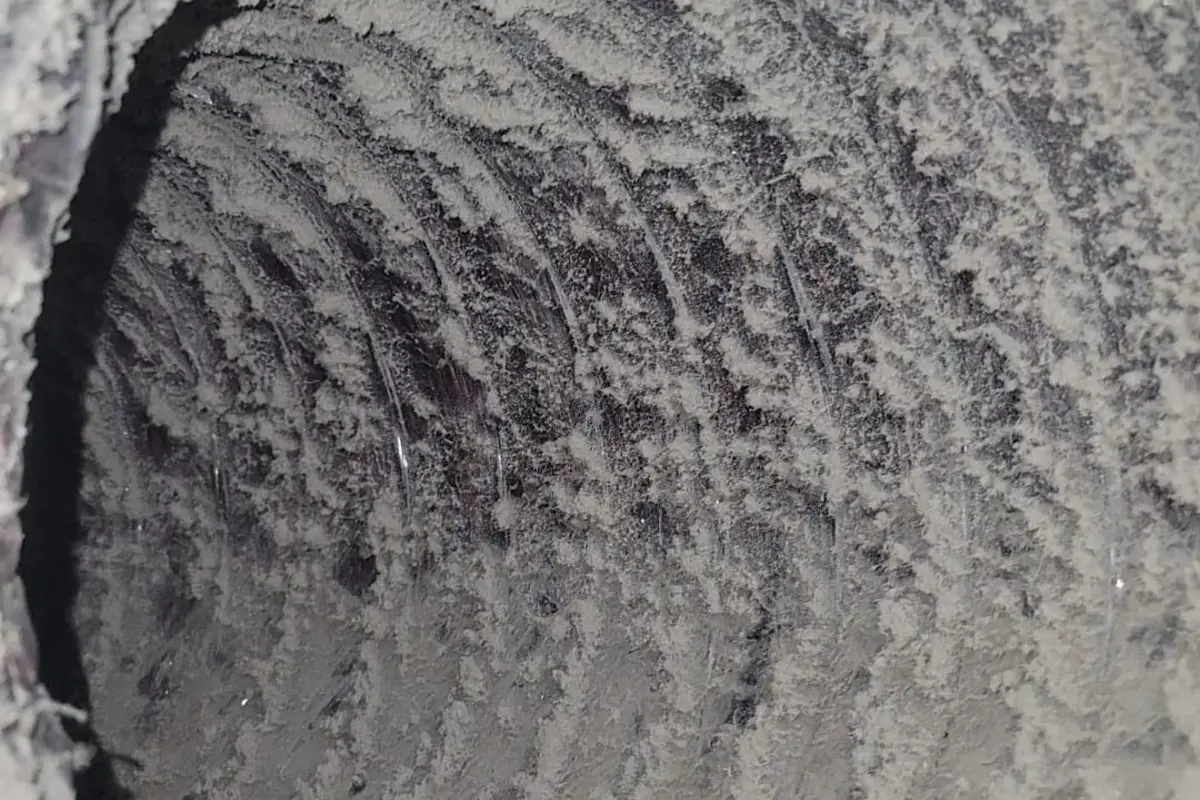
Cedar pollen season runs December through March and deposits more allergens in Austin ductwork than most cities deal with in an entire year. Oak, grass, and ragweed pollen cover the remaining months. Homes in heavily wooded areas like Westlake, Tarrytown, and the Barton Hills neighborhood see higher pollen accumulation simply because of the tree density around them.
Austin's construction boom also plays a role. If your neighborhood has active building nearby - and many Austin neighborhoods do, from North Austin infill projects to new developments in Manor, Hutto, and Kyle - construction dust travels through the air and enters your home through gaps, doors, and the HVAC system itself. Homes within a quarter mile of active construction should consider cleaning every 2-3 years rather than 3-5.
Clean More Frequently If
You have dogs or cats (pet dander and hair accelerate buildup). Anyone in the household has asthma or severe allergies. Someone in the home smokes. You live near construction or a major road (dust and particulates enter the system). Your home is older with original ductwork that has never been cleaned. You have noticed visible dust blowing from vents or dust buildup on vent covers returning quickly after wiping.
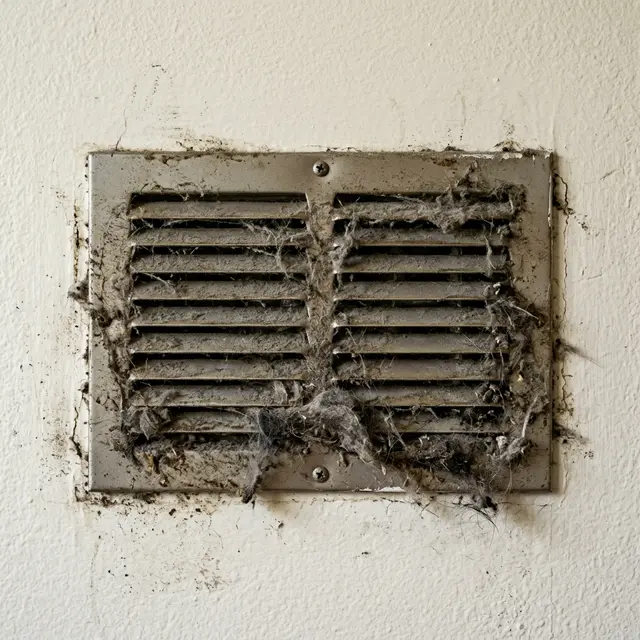
Households with multiple large dogs should plan on cleaning every 2 years. Dog hair and dander accumulate in ductwork remarkably fast, especially near return vents where the system pulls air. If you can see pet hair clumps on your return vent grille within a few weeks of wiping it down, the inside of the ductwork is far worse.
Clean Immediately After
Any home renovation (drywall dust, sawdust, paint particles). Moving into a previously occupied home (you do not know the history). Water damage or flooding (moisture in ducts promotes biological growth). Pest infestation treatment. Fire or smoke damage.
For renovations, wait until all construction activity is truly finished before scheduling the cleaning. That includes builder punch-list items, touch-up painting, and any remaining trim work. We have seen homeowners clean their ducts during a remodel only to have more drywall dust enter the system the following week when the contractor came back to finish a closet.
Time for a Duct Cleaning?
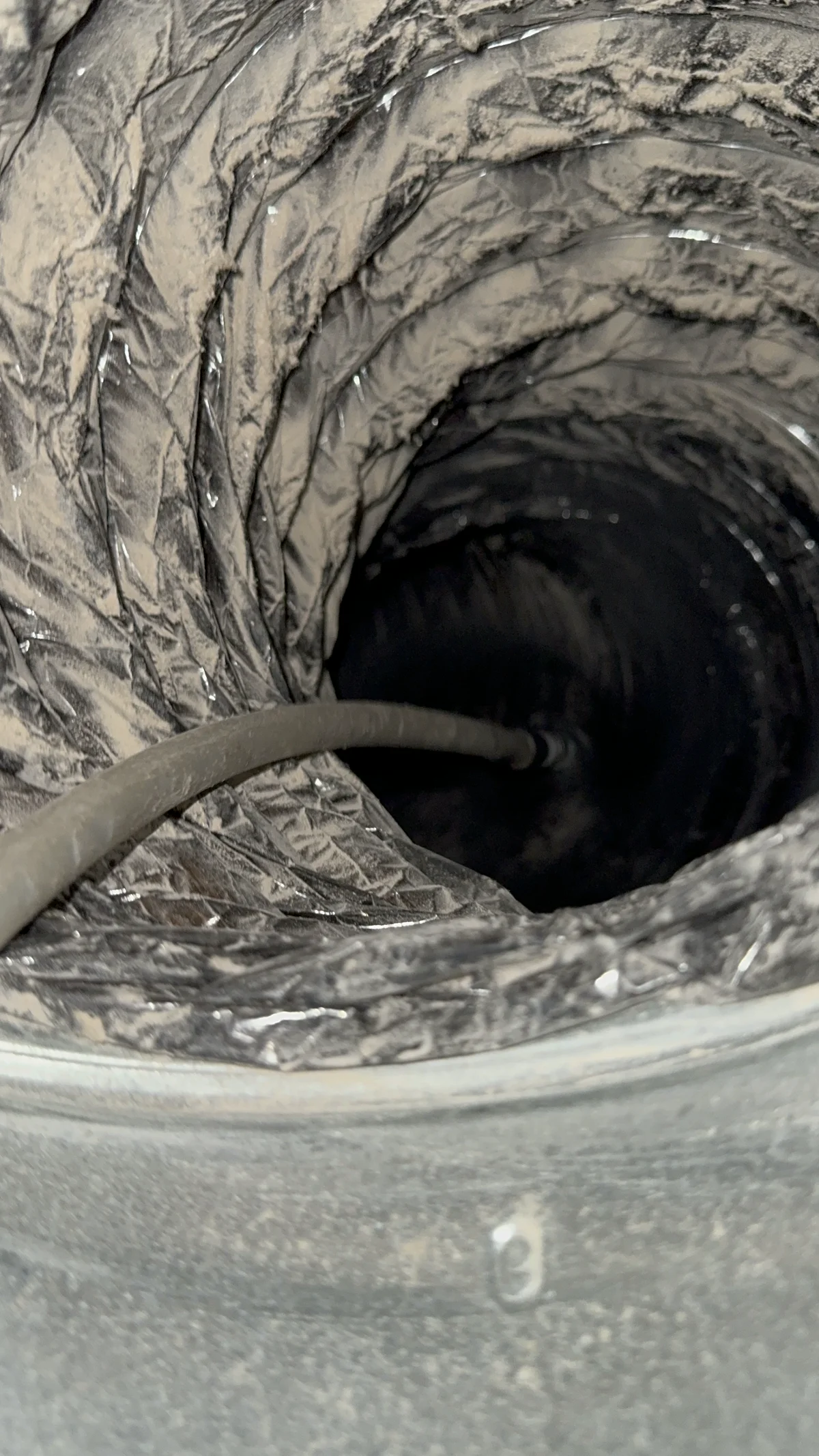
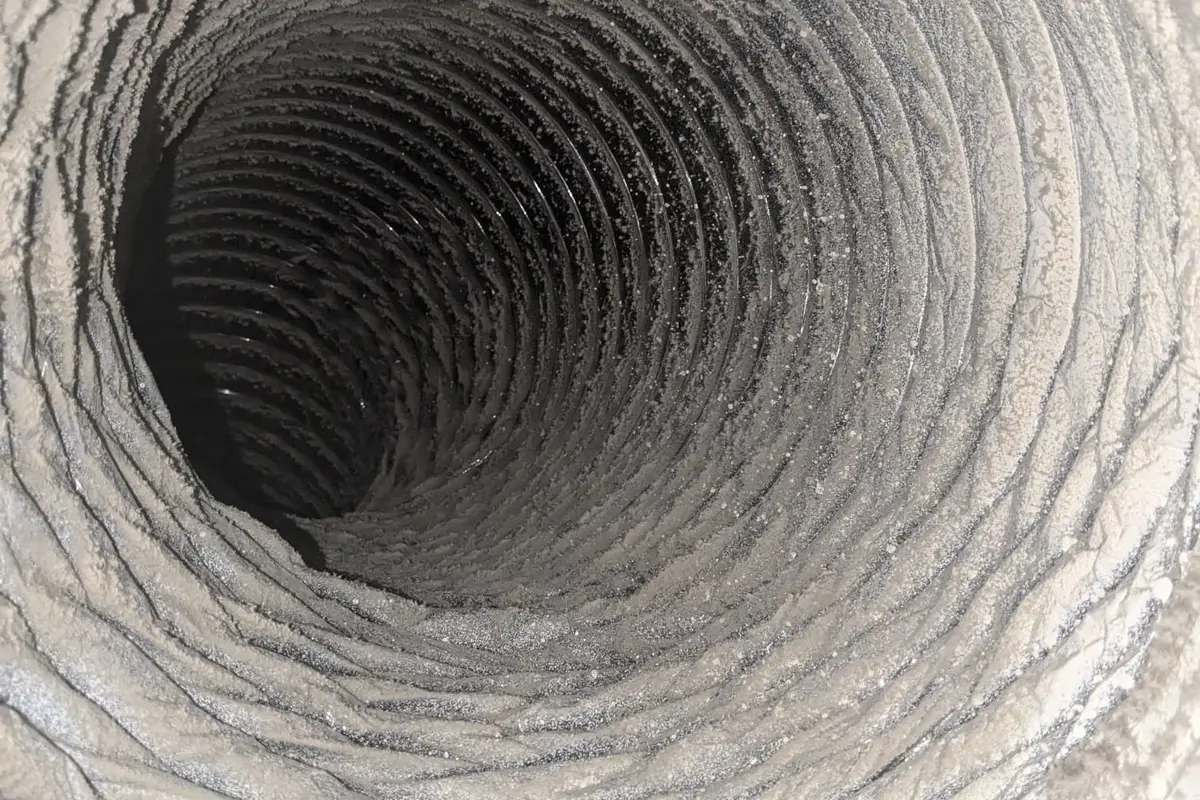
Find out what is inside your ducts with an HD camera inspection. Same-day appointments available.
Call (512) 601-4451Rate your home's indoor air quality in 2 minutes
How Often Should You Clean Air Ducts in Austin
Every 3-5 years is the standard recommendation for most Austin homes, but several factors shorten or lengthen that interval. Shorten to 2-3 years if you have pets (especially dogs or cats that shed heavily), someone in the household has allergies or asthma, you live near active construction (the I-35 corridor, new developments in Leander, Manor, and Hutto generate constant particulates), you have never had ductwork cleaned, or you just completed a home renovation. Pet households with multiple animals should plan on every 2 years - dander and hair accumulate in ductwork far faster than standard dust.
Lengthen to 5-7 years if your household has no pets, no one has respiratory sensitivities, the home is newer with sealed ductwork, and you maintain a consistent filter-change schedule (every 60-90 days with MERV 11 or higher). In that scenario, the ductwork stays cleaner because less contamination enters and recirculates through the system. NADCA recommends a professional inspection every 2 years regardless of cleaning schedule - the inspection determines whether cleaning is warranted at that time.
Austin specifically demands more frequent attention than most US cities because of cedar pollen season. From December through March, cedar pollen deposits a heavy layer inside ductwork that most other regions simply do not contend with. One cedar season alone can add more allergen buildup than two full years of normal household dust. Homes in heavily wooded areas like Westlake, Tarrytown, and Barton Hills accumulate even faster due to the tree density surrounding them.
How to Tell If It Is Time
Remove a vent cover and look inside with a flashlight. If you see visible dust coating the duct walls, it is time. Other signs: dust accumulates on surfaces faster than usual, musty odor when the system runs, allergy symptoms worsen indoors, or you see particles in sunbeams near vents.
The return vent is the best place to check because it collects contamination fastest. Pull the grille off and look inside with a flashlight - if it is caked with buildup, the rest of the system is in similar condition. Your filter is another clue: if it is heavily loaded after just a few weeks, your ductwork is pushing debris toward it faster than normal. When the signs line up, do not overthink it. Call (512) 601-4451 and book your cleaning - our HD camera will show you exactly what three to five years of Austin air has deposited inside your system.
Related Services
Learn more about our professional services related to this topic:
- Air Duct Cleaning - Remove dust, allergens, and debris from your entire HVAC system for cleaner indoor air.
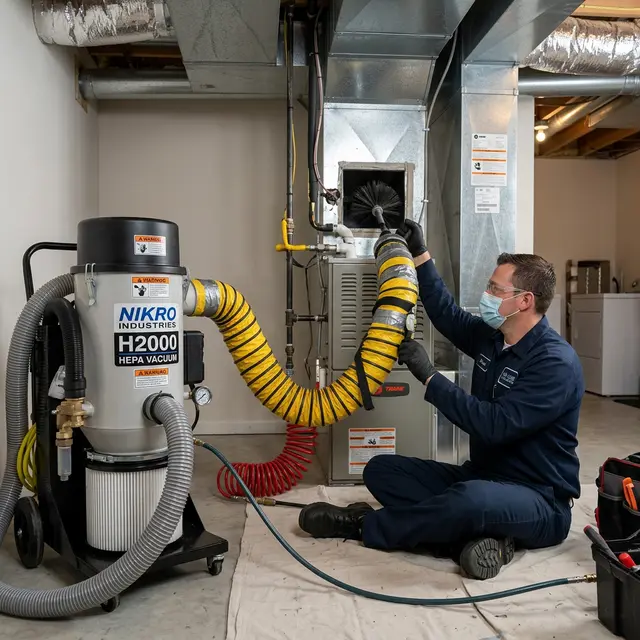
- Air Duct Inspection - Diagnose leaks, blockages, and efficiency issues with HD camera inspection.
Want the full picture?
Read our complete guide: The Ultimate Guide to Air Duct Cleaning in Austin, TX (2026) →Have questions about air duct cleaning? Our team is available 7 days a week. Call us at (512) 601-4451 or visit our contact page.