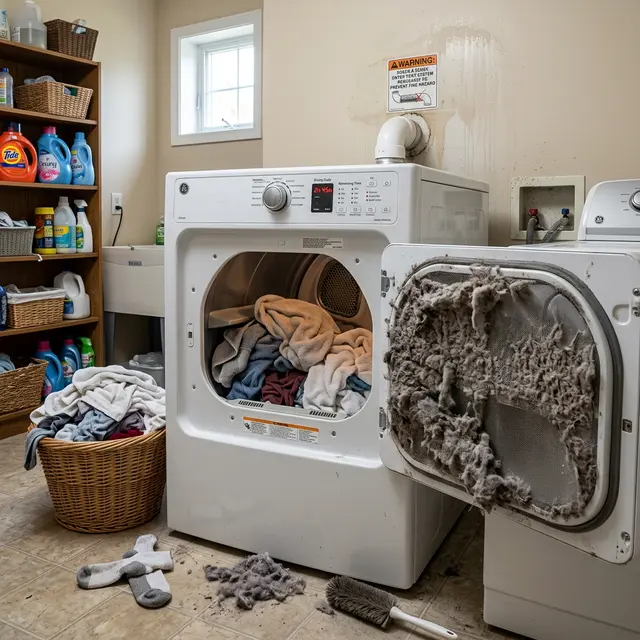
If your dryer takes more than one cycle to dry clothes, the most common cause is a clogged vent (70% of cases), followed by a dirty lint trap housing, overloading, or a failing heating element.
Most Common Causes
When a dryer that used to finish in 40 minutes starts taking 90, most people blame the machine. In 70% of cases, the dryer is fine - the vent is the problem. Here are the most common causes, ranked by how often we see them in Austin homes.
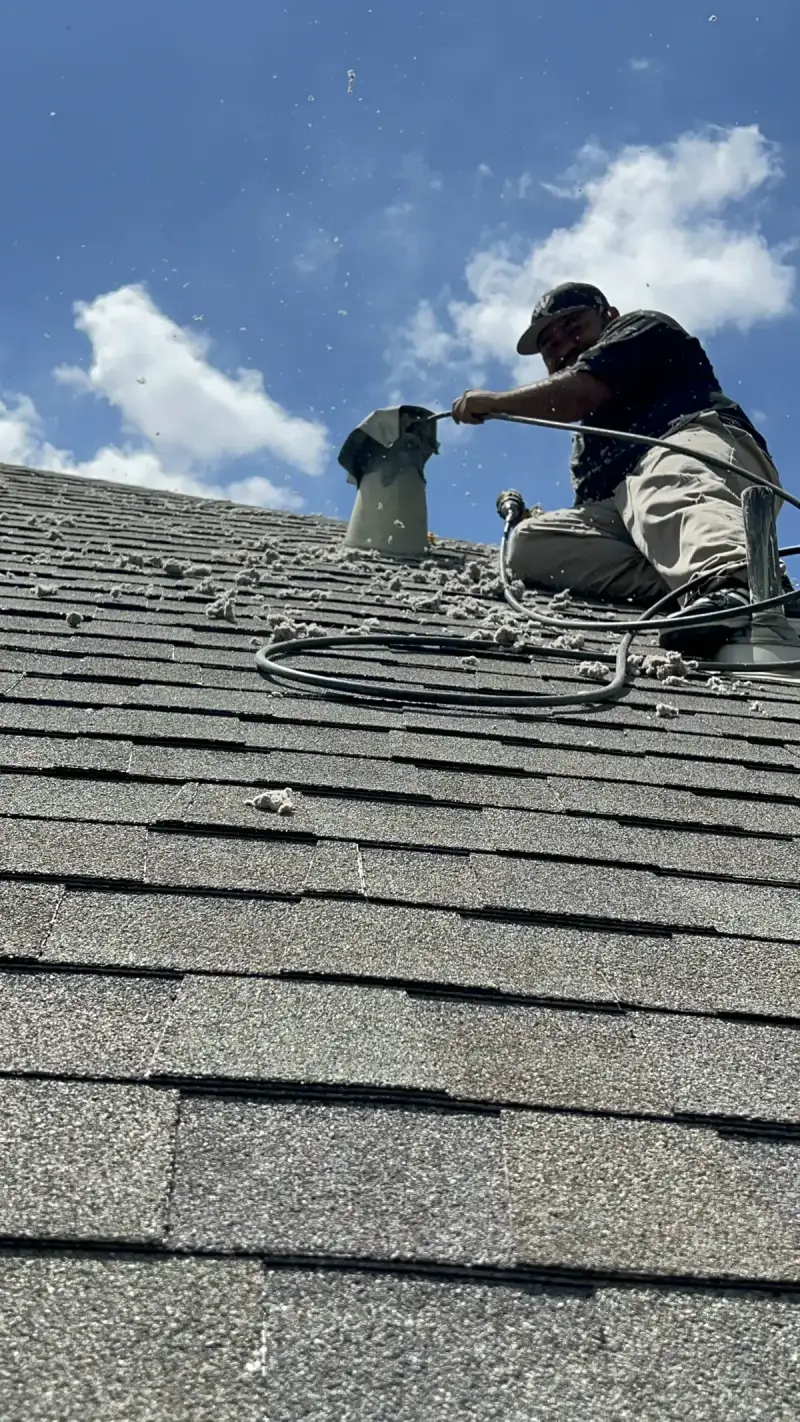
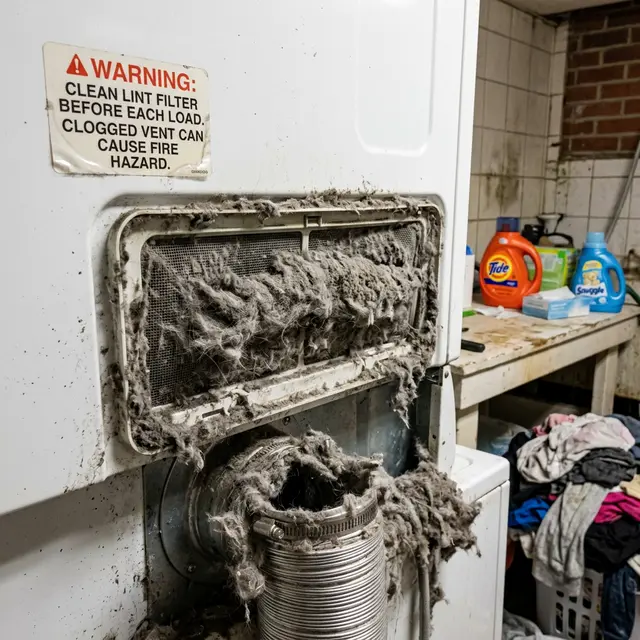
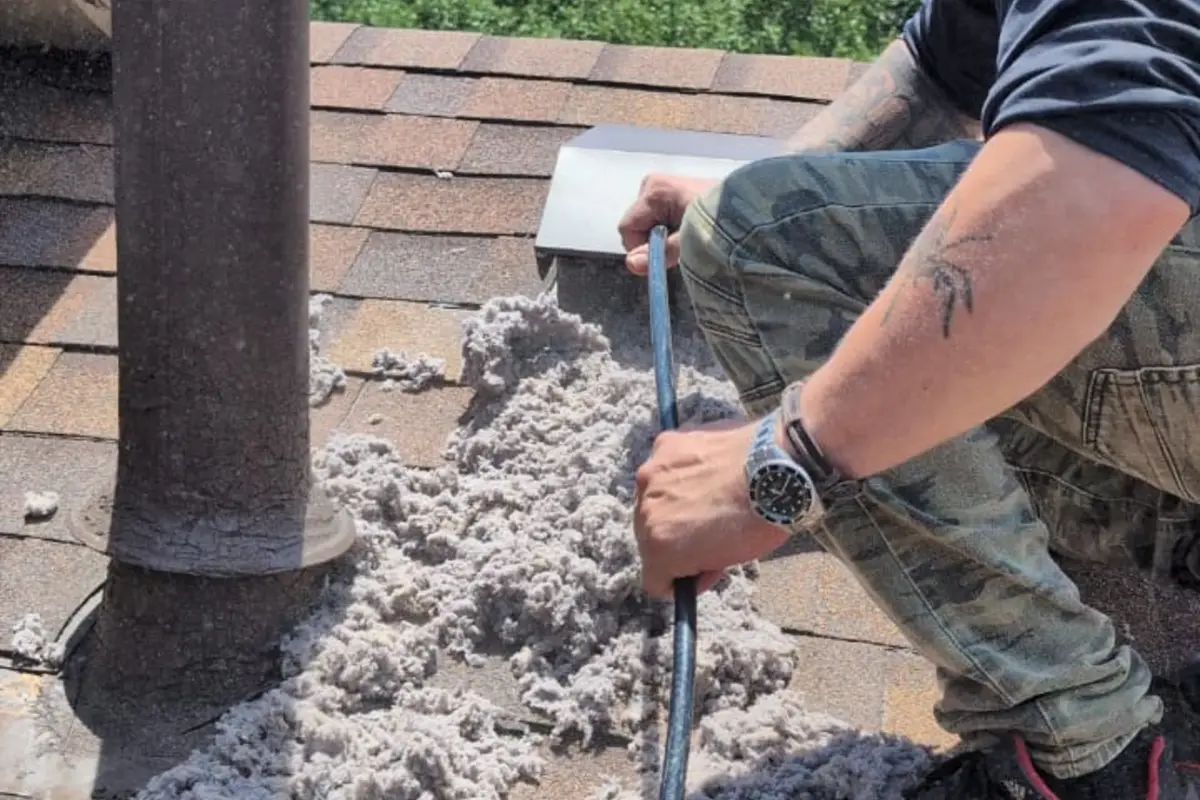
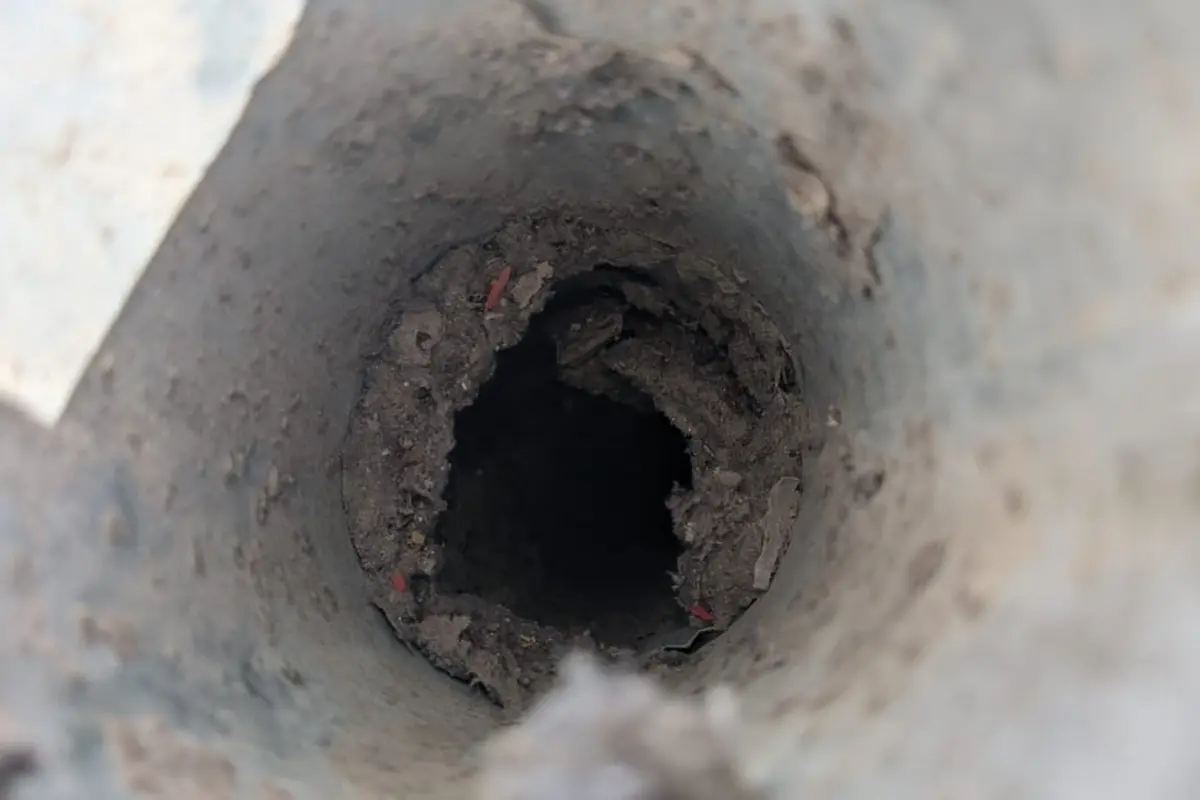
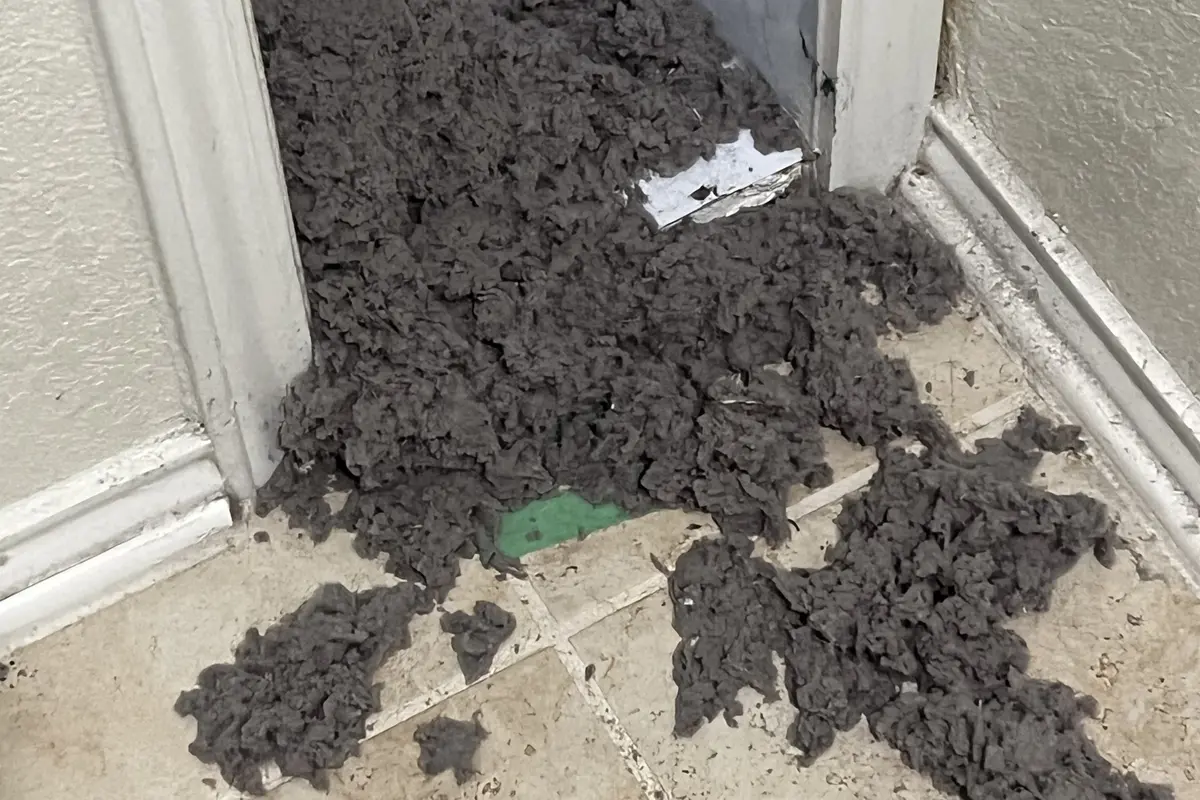
1. Clogged dryer vent (70% of cases): lint buildup in the vent line restricts exhaust airflow, trapping moisture in the drum. The dryer runs hot but clothes stay damp because the moist air has nowhere to go. This is both a performance problem and a fire hazard. If your dryer used to finish loads in 40-45 minutes and now takes 70-90 minutes, a clogged vent is the most likely cause. This problem develops gradually over months, which is why many Austin homeowners do not notice until drying times have nearly doubled.
2. Lint trap housing buildup: even if you clean the lint screen before every load, residue from dryer sheets coats the screen mesh over time. Hold the screen under running water - if water pools on the surface instead of flowing through freely, the mesh is clogged with waxy residue. Scrub both sides with a stiff brush and dish soap, rinse thoroughly, and let it dry completely before reinstalling. Do this every 3 months if you use dryer sheets.
3. Overloading: stuffing the dryer prevents proper tumbling and air circulation. Clothes need room to tumble freely so hot air can reach all surfaces. Fill the drum to 75% capacity maximum. A common mistake is washing a full washer load and then transferring the entire wet load to the dryer - many washers have larger capacity than the dryer they are paired with.
4. Wrong heat setting: heavy towels and jeans need high heat to dry efficiently. Delicates on low heat will naturally take longer, and that is normal. But if you accidentally set heavy loads to low or medium heat, drying time doubles. Check your settings before assuming something is wrong with the dryer.
5. Failing heating element or gas igniter: if the dryer drum spins but produces little or no heat, the heating element (electric dryers) or gas igniter (gas dryers) may need replacement. You can test this by running the dryer for 5 minutes on high heat and checking whether the exhaust air feels hot. If the air is warm but not hot, or cool, the heating component has failed. This is a $100-$250 repair for most dryer models.
Quick Diagnostic Steps
Step 1: Go outside and check the vent exit while the dryer is running. You should feel strong, hot airflow and the flap should be pushed fully open. If airflow is weak or the flap barely moves, the vent is clogged. Schedule a professional cleaning - this solves the problem 70% of the time.
Step 2: If exterior airflow is strong, check the lint trap. Pull out the screen and run water over it. If water does not flow through freely, clean the mesh with a brush and soap. Also vacuum inside the lint trap housing (the slot the screen slides into) - lint accumulates in this cavity and restricts airflow even when the screen itself is clean.
Step 3: If the vent is clear and the lint trap is clean, test the heat output. Run the dryer on high for 5 minutes, then check whether the exhaust air at the exterior vent is hot. If it is barely warm, the heating element or gas igniter needs professional repair.
Step 4: If everything else checks out, evaluate your loading habits. Are you overfilling the drum? Are you using the right heat setting for the fabric type? Are you drying particularly heavy items (comforters, heavy blankets) that may need a dedicated cycle? Sometimes the fix is as simple as splitting a large load into two smaller ones.
What a Clogged Vent Costs You
A clogged vent forces 2-3 drying cycles per load instead of one. At $0.50-$0.75 per cycle in electricity (based on Austin Energy rates), a family doing 5 loads per week wastes $130-$195 per year on extra cycles alone. Over two years without cleaning, that wasted electricity adds up to more than the cost of two professional vent cleanings.
Add accelerated dryer wear from running hotter and longer, and the true cost climbs higher. The heating element, thermal fuse, and drum bearings all degrade faster under the stress of restricted airflow. A premature dryer replacement costs $600-$1,200. Factor in the fire risk, and professional vent cleaning is one of the best-value home services available.
When Was Your Dryer Vent Last Cleaned?
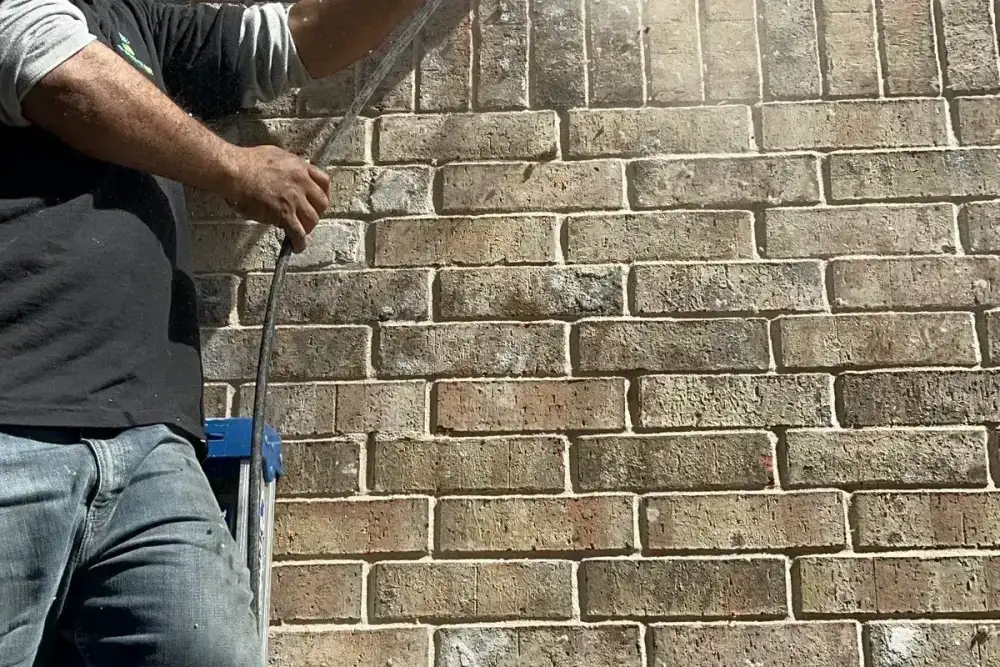
Most Austin homeowners go too long between cleanings. A quick inspection takes minutes and could prevent a fire.
Call (512) 601-4451Rate your home's indoor air quality in 2 minutes
Dryer Taking Too Long to Dry: Quick Fixes to Try First
Before calling a technician, try these three things. First, clean the lint trap AND its housing. Pull the screen out and scrub both sides with a stiff brush and dish soap - if you use dryer sheets, waxy residue builds up on the mesh over time and blocks airflow even when the screen looks clean. Hold it under running water after scrubbing; the water should flow straight through without pooling on the surface. Then vacuum inside the lint trap housing (the slot the screen slides into) to remove lint that has accumulated in the cavity.
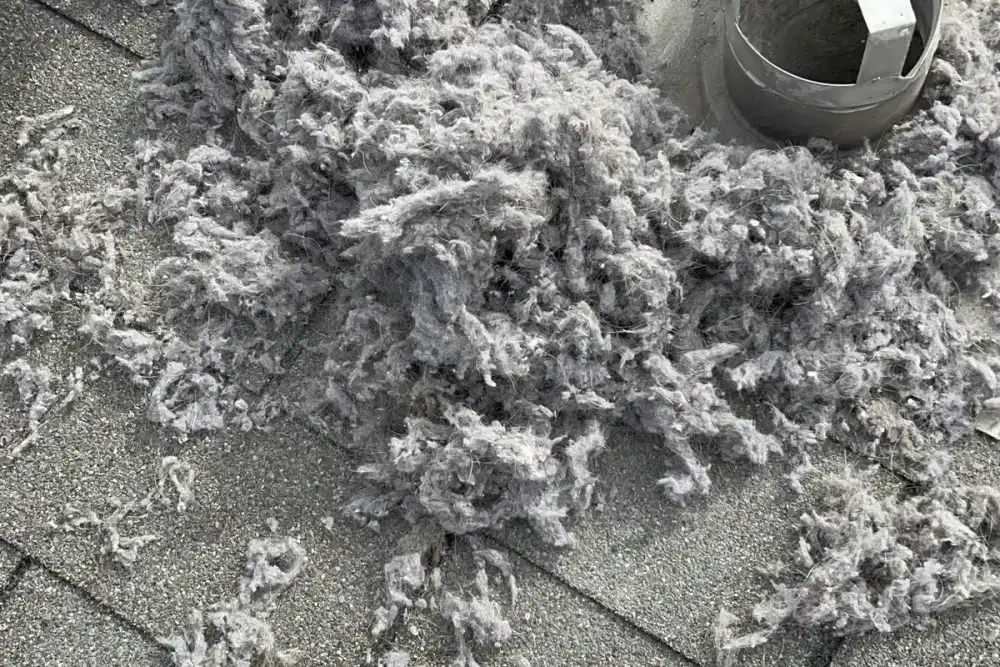
Second, check the exterior vent flap while the dryer is running. Go outside, find the vent exit, and watch the flap. It should push fully open with strong, hot airflow. If the flap barely moves or stays closed, lint has accumulated inside the vent line and is restricting exhaust. This is your most important diagnostic step because a blocked vent is the cause 70% of the time. Third, reduce your load size to 75% of drum capacity. Overstuffing prevents proper tumbling and traps moisture because hot air cannot circulate between items.
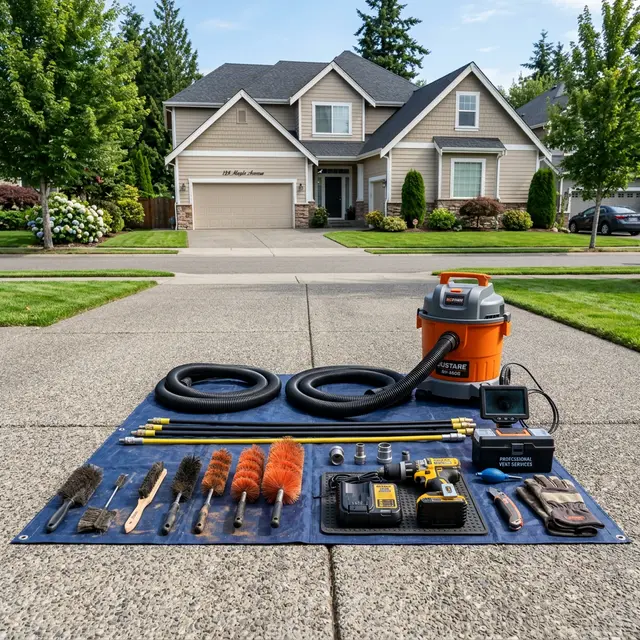
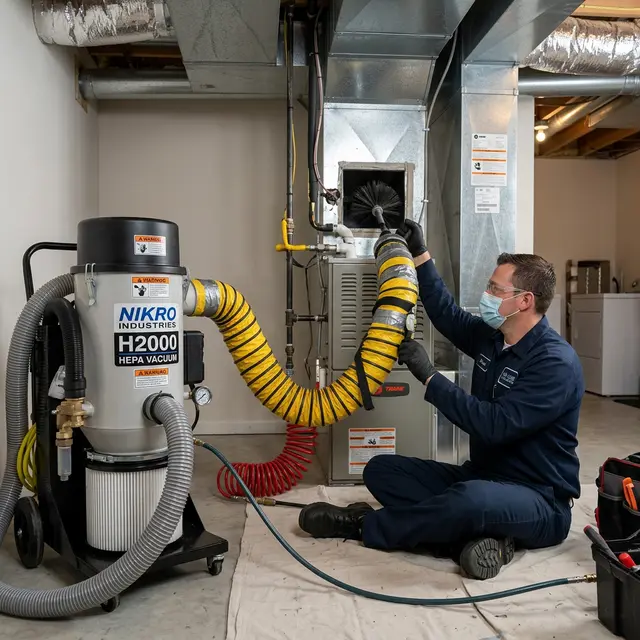
If drying time does not improve after all three fixes, the vent line itself is clogged and needs professional cleaning. Do NOT try to clean the full vent run yourself with a hardware store brush kit. Most Austin homes have 15-25 foot vent runs with bends and transitions that consumer kits cannot reach effectively. Pushing a brush into a long run without proper technique often compacts lint deeper into the line, making the blockage worse and harder to clear. Professional equipment uses compressed air and commercial-grade rotary brushes designed for the full length of any residential vent configuration.
When to Call a Professional
Call a vent cleaning professional if: the exterior vent flap barely opens or stays closed, you have not had the vent cleaned in over a year, you smell burning when the dryer runs, or the laundry room gets noticeably hot and humid during dryer operation. These all point to a vent blockage that needs professional equipment to clear safely.
Call an appliance repair technician if: the dryer produces no heat at all, you hear grinding or squealing noises from the drum, the dryer shuts off mid-cycle repeatedly (thermal fuse may be tripping), or error codes appear on the display. These are internal dryer issues that vent cleaning will not solve. In Austin, appliance repair typically costs $100-$300 depending on the part needed.
Related Services
Learn more about our professional services related to this topic:
- Dryer Vent Cleaning - Clear lint buildup to prevent fires and cut drying time in half.
Want the full picture?
Read our complete guide: Dryer Vent Cleaning in Austin: The Complete Safety Guide (2026) →Have questions about dryer vent safety? Our team is available 7 days a week. Call us at (512) 601-4451 or visit our contact page.