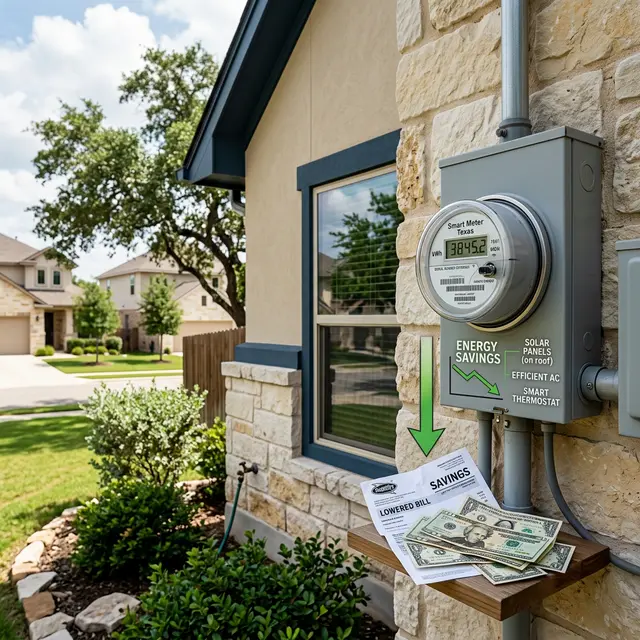
Austin Energy uses tiered pricing that charges more per kilowatt-hour the more you use, and HVAC accounts for 60-70% of summer electricity bills. The highest-ROI improvements are duct sealing (saves 20-30% on cooling costs), attic insulation upgrade to R-38+ (saves $300-$600/year), solar attic fan installation (reduces attic temperature by 20-40 degrees), and keeping ducts clean for optimal airflow. Combined, these improvements can cut summer bills by $80-$200 per month. Call (512) 601-4451 for a professional assessment.
Austin Energy's 2026 Rate Structure: Why Tier 2 Hurts
Austin Energy uses a tiered rate structure that penalizes high electricity usage. In 2026, the first 500 kWh per month falls into Tier 1 at a lower rate. Usage above 500 kWh enters Tier 2, where the per-kWh cost jumps significantly. During peak summer months, a typical 2,000-square-foot Austin home easily uses 1,500-2,500 kWh, meaning half or more of your electricity sits in the expensive Tier 2 bracket.
The math is straightforward but punishing. A home using 2,000 kWh in July pays the lower Tier 1 rate for the first 500 kWh and the higher Tier 2 rate for the remaining 1,500 kWh. Add in fuel charges, regulatory charges, and the community benefit charge, and total summer bills regularly hit $250-$400 for average homes. Larger homes or those with older, less efficient systems can exceed $500.
Here is what matters for homeowners: every kWh you can cut from the Tier 2 bracket saves you more than cutting from Tier 1. If your HVAC improvements reduce usage from 2,000 kWh to 1,500 kWh, those 500 kWh all come off the top tier. The savings per kWh reduced are higher when you are cutting into the expensive bracket, which makes HVAC efficiency improvements disproportionately valuable in Austin's rate structure.
ERCOT Summer 2026 Outlook and What It Means for Your Bill
ERCOT (the Electric Reliability Council of Texas) manages the state's power grid, and ERCOT has historically projected continued tight reserve margins during peak afternoon hours in July and August. When demand approaches grid capacity, wholesale electricity prices spike, and those costs flow through to retail rates.
Austin Energy is a municipal utility, which provides some insulation from wholesale price volatility compared to deregulated providers. However, Austin Energy's fuel charges still fluctuate based on the cost of generating or purchasing power. When ERCOT grid demand pushes wholesale prices up, Austin Energy's fuel charge component increases for all customers.
The practical takeaway: summers are getting hotter, electricity demand is increasing as Austin's population grows, and rates trend upward over time. Every permanent efficiency improvement you make to your home locks in savings that compound year over year. An improvement that saves $50/month this summer saves $55/month next summer as rates increase, without any additional investment.
Your HVAC Uses 60-70% of Summer Electricity - Here Is Where It Goes
The Department of Energy estimates that heating and cooling account for 50-60% of residential energy use nationally. In Austin, where summer runs from May through September and temperatures exceed 100 degrees regularly, HVAC easily reaches 60-70% of total summer electricity consumption. For a home spending $300/month on summer electricity, $180-$210 of that goes directly to running the air conditioner and its supporting systems.
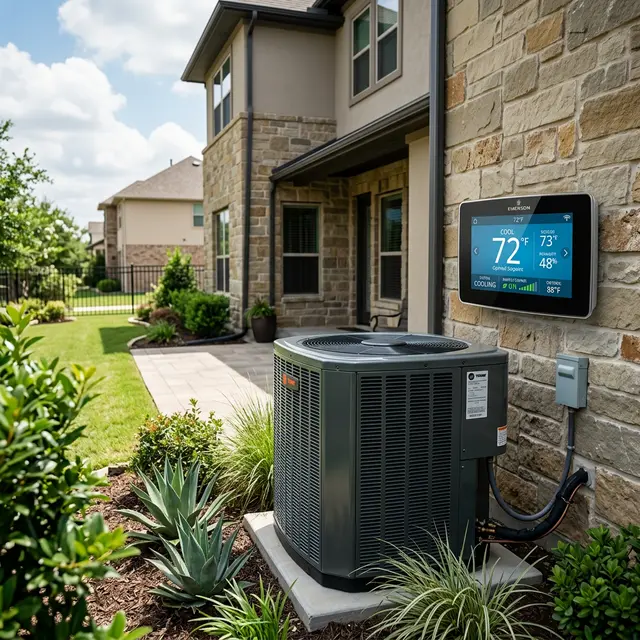
That energy breaks down into several components: the compressor (the outdoor unit) uses the most electricity, running for hours during peak heat to cool refrigerant. The indoor blower fan circulates air through ductwork continuously when the system is active. The condensate pump removes moisture. In homes with secondary systems like attic fans or UV-C lights, those draw small amounts as well.
But here is what most homeowners miss: a significant portion of that HVAC electricity is wasted before it ever cools your rooms. Leaky ducts dump conditioned air into the attic. Poorly insulated ducts absorb heat from the 150-degree attic, warming the air before it reaches your vents. Dirty ducts restrict airflow, forcing the system to run longer. Addressing these waste sources does not require a new AC system - it requires making the existing system work the way it was designed to.
Duct Sealing: The Highest-ROI Fix at 20-30% Savings
The Department of Energy estimates that the average home loses 20-30% of conditioned air through duct leaks. In Austin, where ducts run through superheated attics, every cubic foot of cooled air that leaks into the attic is replaced by hot attic air that the system must then cool again. This creates a compounding loss that drives up runtime and energy consumption.
Professional duct sealing addresses joints, connections, and damaged sections using mastic sealant and metal-backed tape. The process starts with an HD camera inspection to identify leaks, followed by systematic sealing of every connection point. The investment typically runs $500-$1,500 depending on system size and accessibility.
The dollar math for Austin: if you spend $250/month on summer electricity and HVAC accounts for 65% ($162.50), and duct leaks waste 25% of that cooling energy ($40.63/month), then sealing saves roughly $40/month or $200+ per cooling season (May through September). The investment pays for itself in 2-3 summers and continues saving for the life of the ductwork. This is consistently the highest-ROI HVAC improvement for Austin homes.
Want to Know Where Your Energy Goes?
We identify the biggest efficiency gaps in your home and give you a clear plan to fix them.
Call (512) 601-4451Estimate how much you could save on energy bills
Insulation, Solar Fans, and Clean Ducts: Stacking Savings
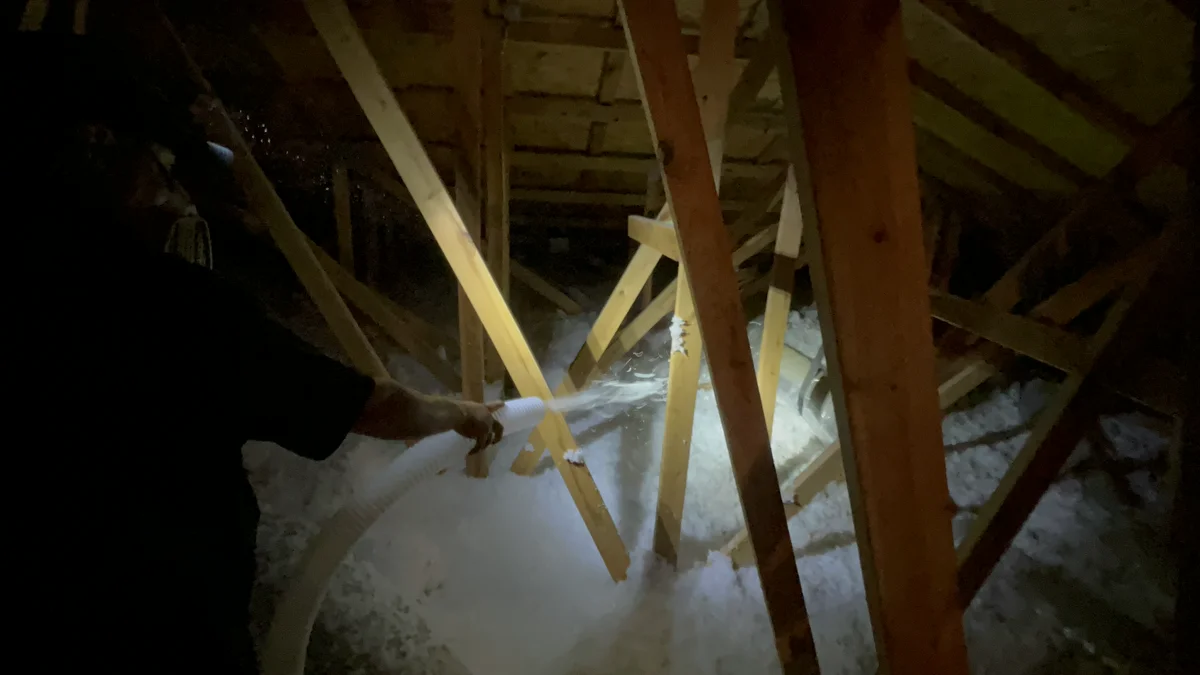
Attic insulation upgrade from R-19 (common in Austin homes built before 2010) to R-38 or R-49 costs $1,500-$3,000 and reduces heat transfer through the ceiling by 40-50%. This means your AC runs less because less heat enters the living space from above. Projected savings: $300-$600 per year on cooling costs, with the investment paying for itself in 3-5 years. Austin Energy has historically offered rebates for insulation upgrades that can reduce the net cost.
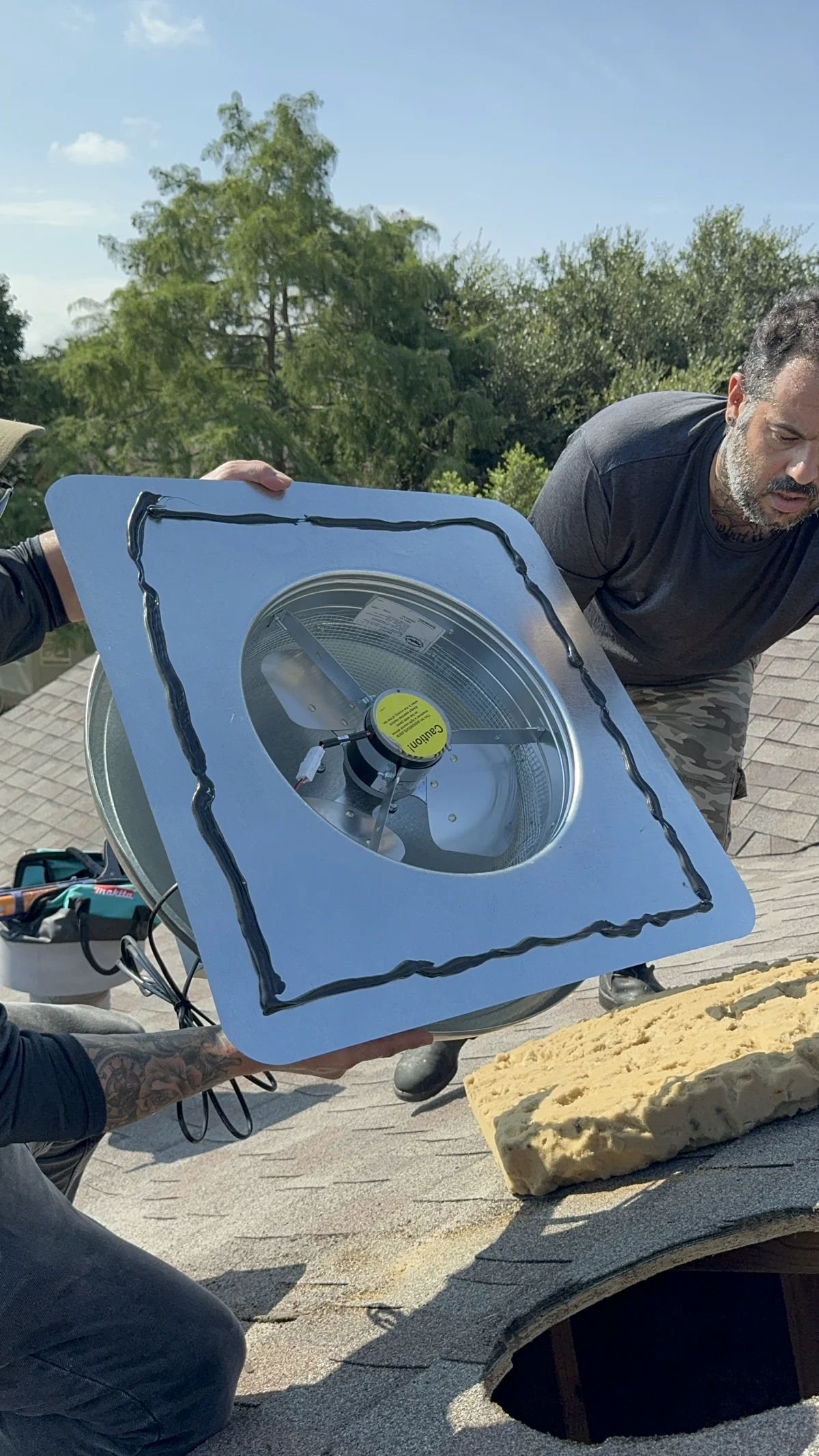
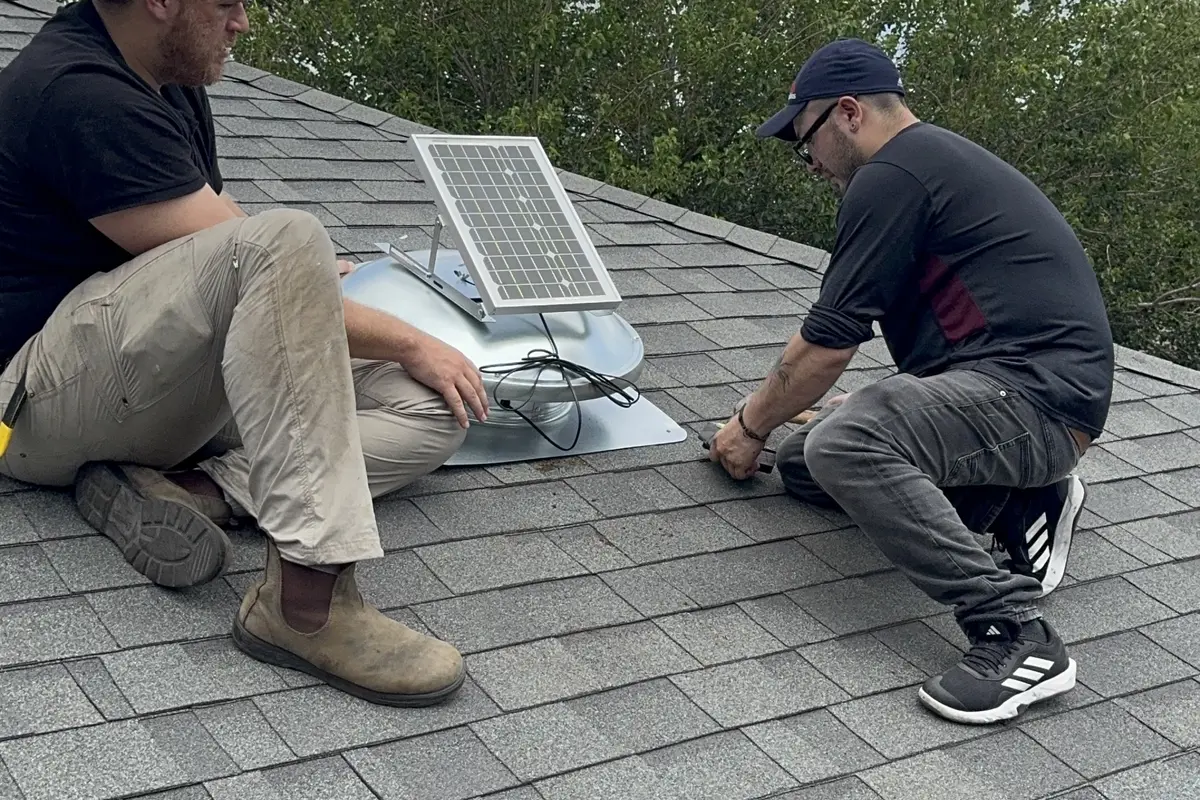
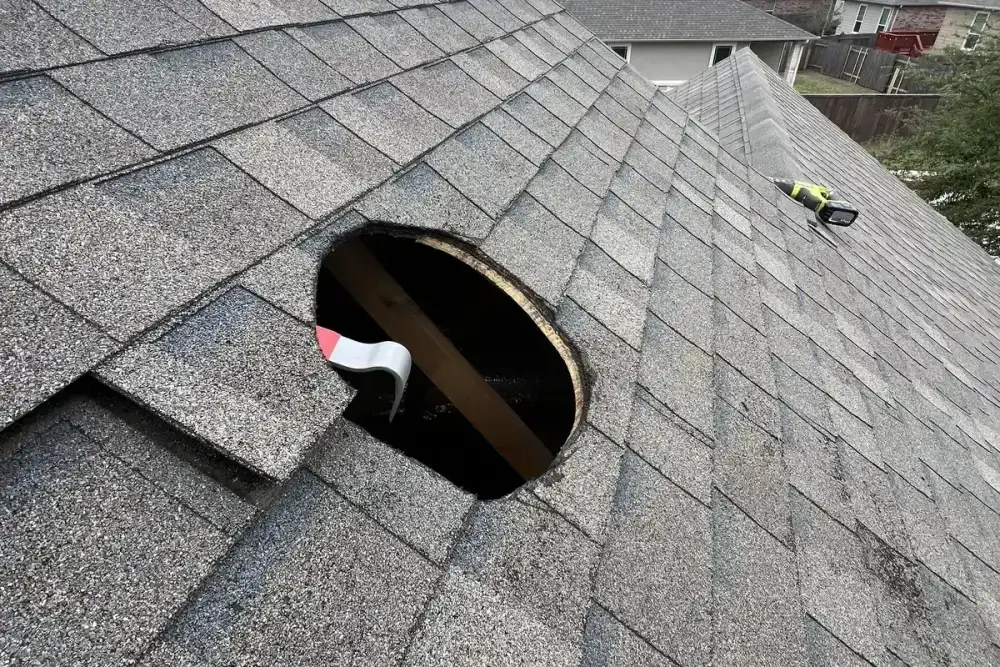
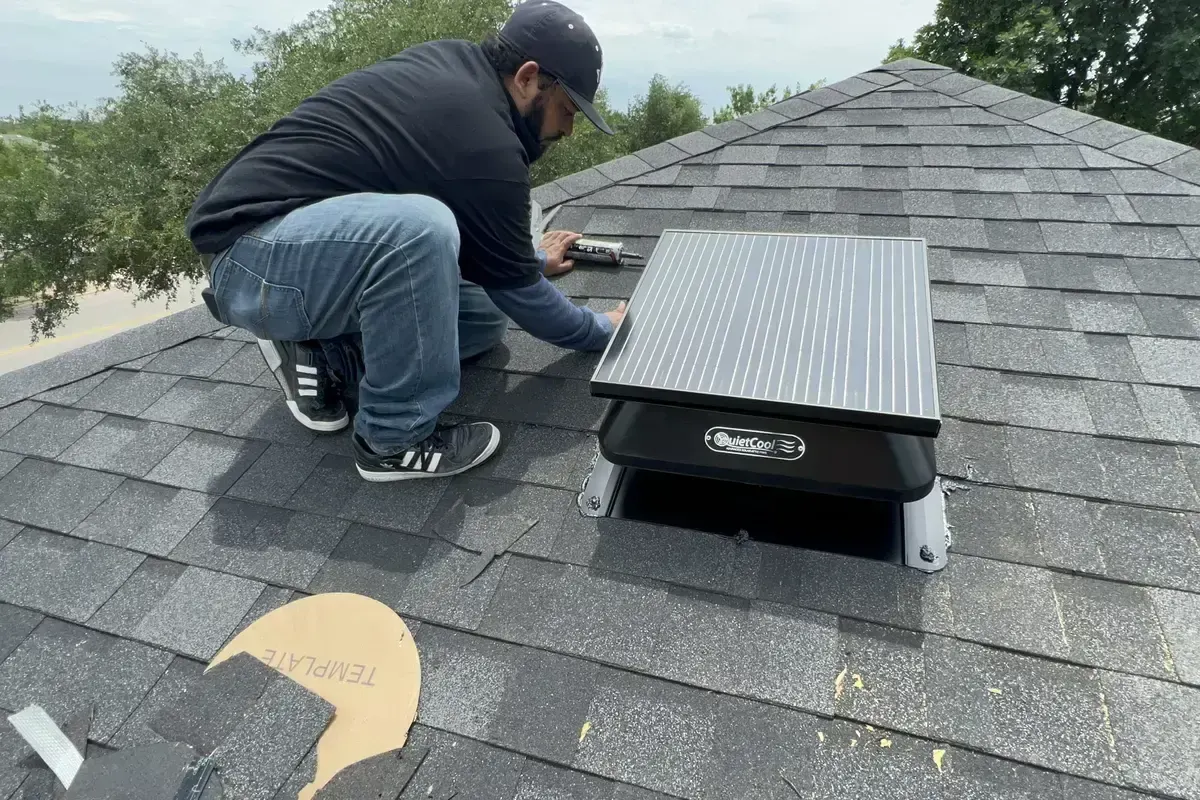
Solar attic fans cost $300-$800 per unit installed and reduce attic temperatures by 20-40 degrees during peak sun hours. A cooler attic means less heat radiating down through the ceiling and less heat conducted into the ductwork. Solar fans run on sunlight, adding zero to your electricity bill. For homes with dark-colored roofs or limited soffit ventilation, a solar fan provides measurable relief.
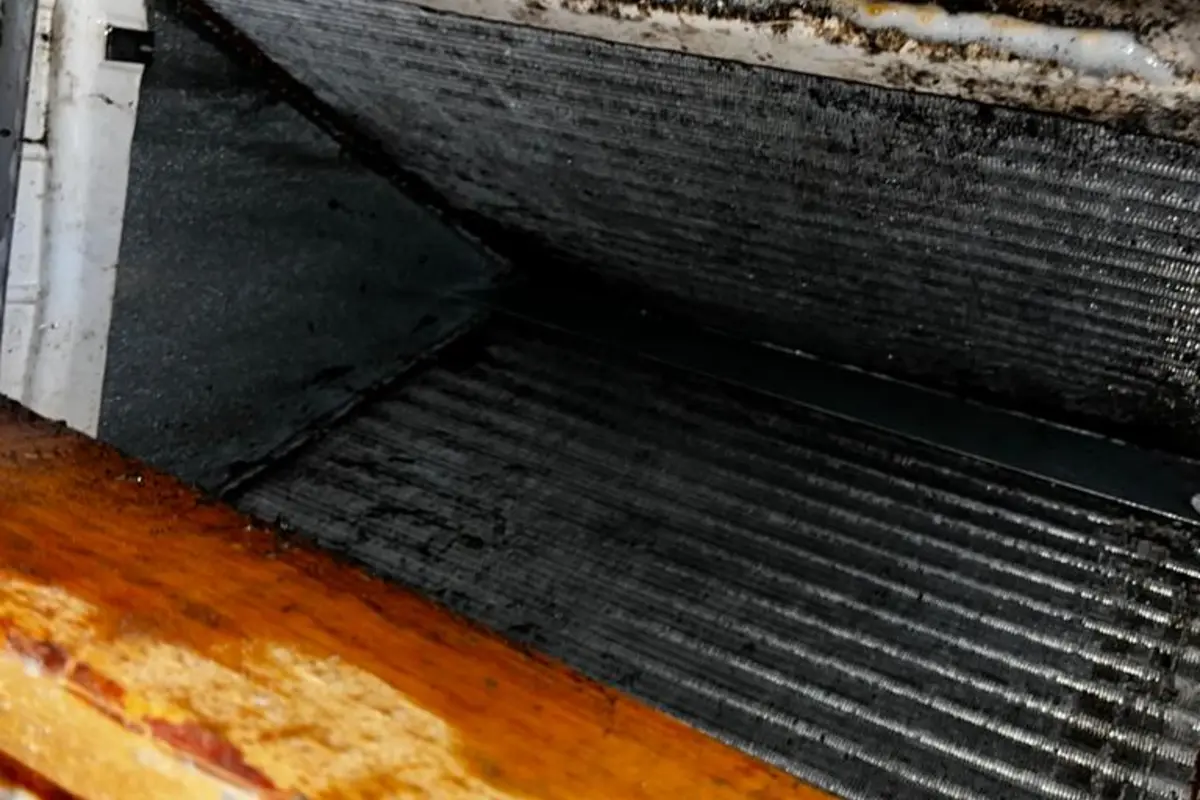
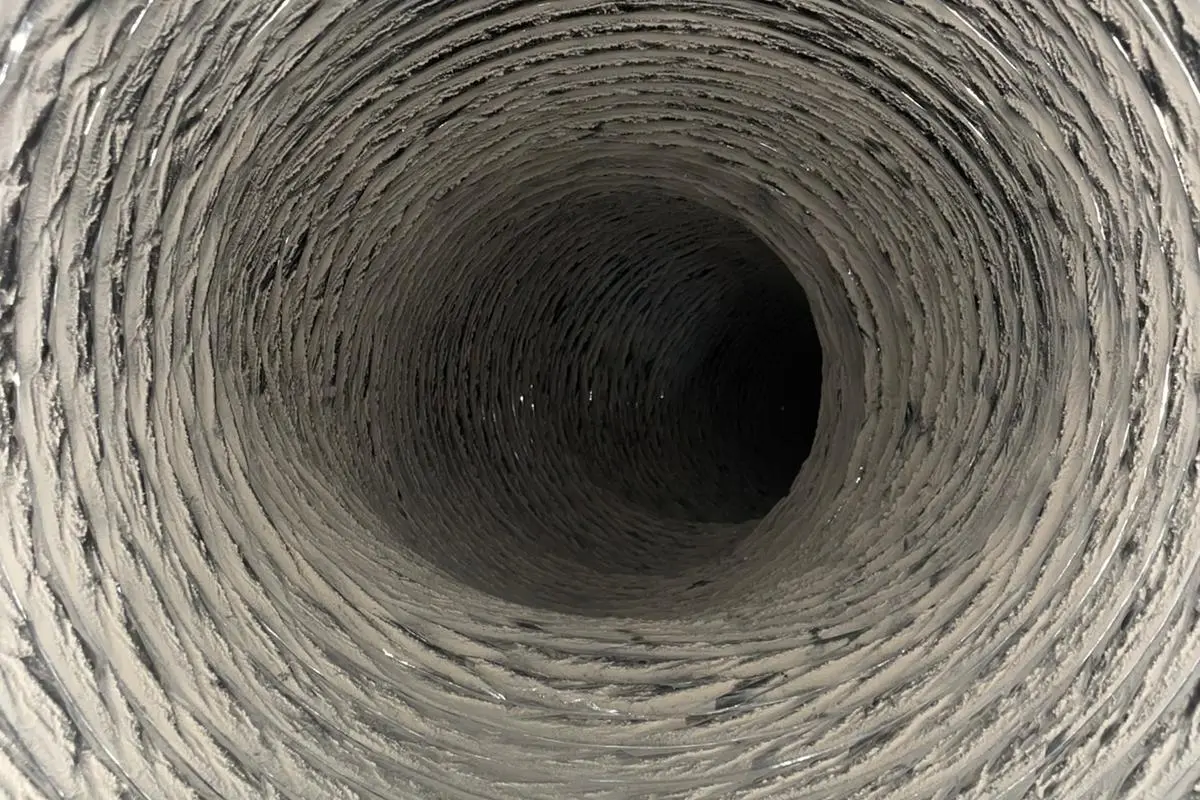
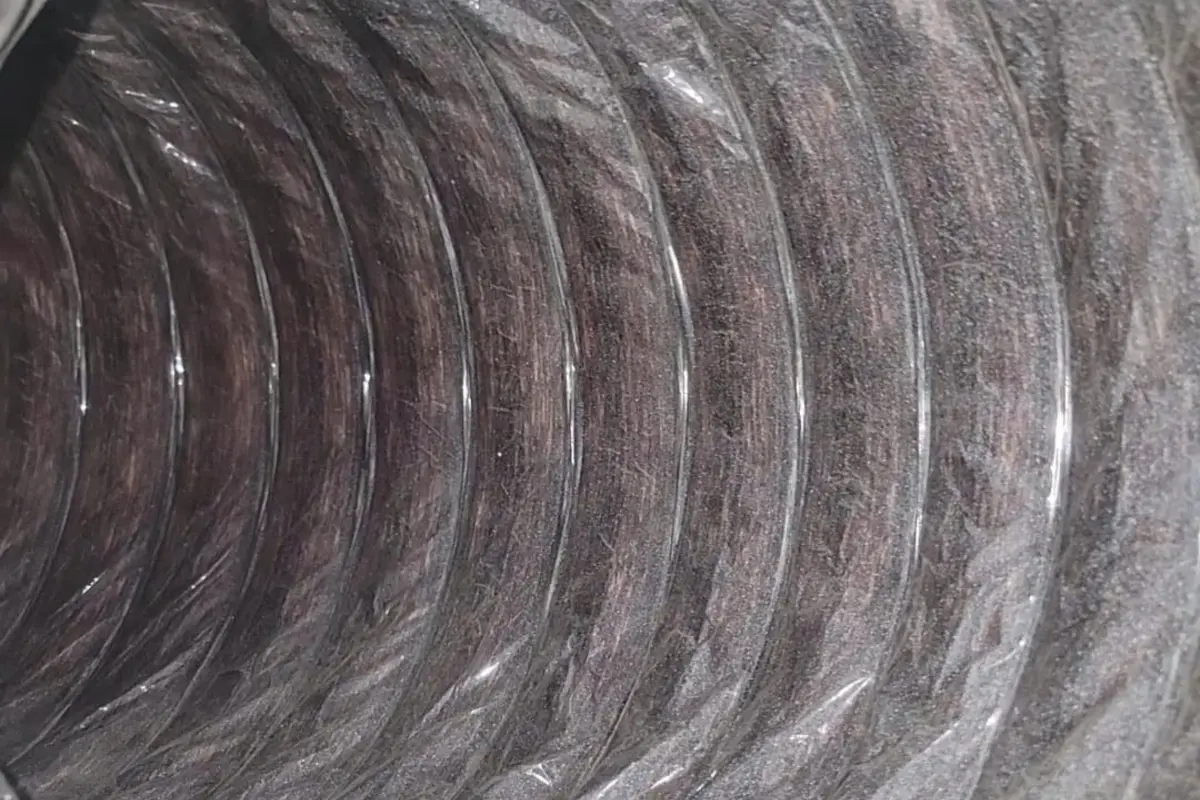
Clean ducts improve airflow efficiency. When ducts are clogged with dust, pollen, pet dander, and debris, airflow is restricted and the system runs longer to reach the set temperature. Professional duct cleaning restores full airflow, which reduces runtime and energy consumption. The improvement is most noticeable in systems that have not been cleaned in 3+ years.
The power of stacking: each improvement provides modest savings individually, but combined they transform your home's energy profile. Duct sealing (saves 20-30% of cooling waste), insulation upgrade (reduces heat gain 40-50%), solar fan (cools attic 20-40 degrees), and clean ducts (restores airflow) can collectively reduce summer electricity bills by $80-$200 per month. That adds up to $400-$1,000 saved per cooling season.
Austin Energy Rebates and Federal Tax Credits
Austin Energy offers rebates for qualifying energy efficiency improvements. Insulation upgrades, duct sealing, and HVAC system replacements have historically qualified for rebates that reduce the upfront investment. Check Austin Energy's current rebate programs at austinenergy.com before scheduling work - available rebates and qualifying criteria change periodically.
Federal tax credits under the Inflation Reduction Act provide additional savings. The 25C tax credit covers up to 30% of costs for qualifying energy efficiency improvements including insulation, with annual caps. These credits can be stacked with Austin Energy rebates for maximum savings. Consult a tax professional for specifics on your situation, but be aware that both programs exist and can significantly reduce the net cost of efficiency upgrades.
The best approach is to start with a professional assessment that identifies which improvements will deliver the most savings for your specific home. Duct leaks, insulation levels, and airflow efficiency vary from house to house, and a targeted approach ensures you invest where the payoff is highest. Call (512) 601-4451 to schedule a duct inspection and energy assessment for your Austin home.
Related Services
Learn more about our professional services related to this topic:
- Air Duct Cleaning - Remove dust, allergens, and debris from your entire HVAC system for cleaner indoor air.
- Solar Fan Installation - Solar-powered attic ventilation that cuts cooling costs naturally.
- Attic Insulation - Premium blown-in insulation to cut energy costs and improve year-round comfort.
- UV Lighting System - Eliminate bacteria and allergens inside your HVAC with UV-C light technology.
Want the full picture?
Read our complete guide: Home Energy Efficiency: The Cost-Saving Guide for Austin →Have questions about energy efficiency? Our team is available 7 days a week. Call us at (512) 601-4451 or visit our contact page.