Austin's three worst allergen peaks are: cedar pollen (December-February), oak pollen (March-April), and ragweed (September-November). Maintain MERV 11 filters year-round and get ducts cleaned before each peak season for best results.
Winter Allergens (December-February): Cedar Season
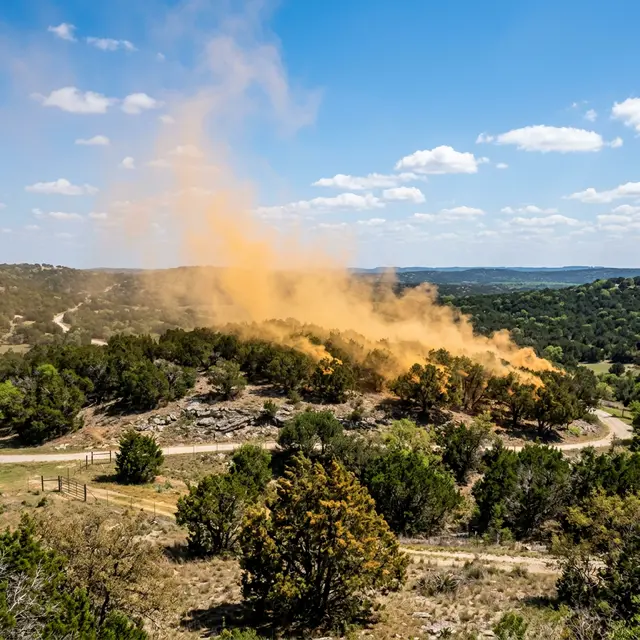
Cedar season is Austin's most intense allergen period, and it dominates the winter months. Ashe juniper (mountain cedar) trees release massive clouds of pollen from mid-December through early March. This is the season that defines Austin's reputation as an allergy capital - pollen counts routinely exceed 20,000 grains per cubic meter, with spikes above 30,000 on warm days following cold fronts.
January is the absolute peak. If you are going to suffer from cedar fever, this is the month it hits hardest. The combination of high pollen counts and cold, dry air that irritates nasal passages makes January the most miserable month for Austin allergy sufferers. Change your HVAC filter at the start of January - the filter you installed in December is already loaded with cedar pollen. Keep every window and door sealed. Shower and change clothes immediately after going outside to avoid tracking pollen into the house and into the HVAC return.
February brings gradual relief as cedar counts taper in the second half of the month, but do not let your guard down. Warm windy days can still produce cedar spikes. Elm pollen starts appearing toward the end of February, overlapping with the tail of cedar season. This overlap means there is no clean break between allergen seasons - one fades while the next ramps up. Continue monthly filter changes through the end of February.
December marks the start of the next cedar cycle. Ashe juniper pollen typically begins appearing in mid-to-late December, and counts escalate rapidly after the first hard freeze. Install a fresh MERV 11-13 filter before Thanksgiving so you are prepared. If you did not schedule duct cleaning in spring or fall, do it before December to avoid carrying last year's accumulated allergens into the new cedar season.
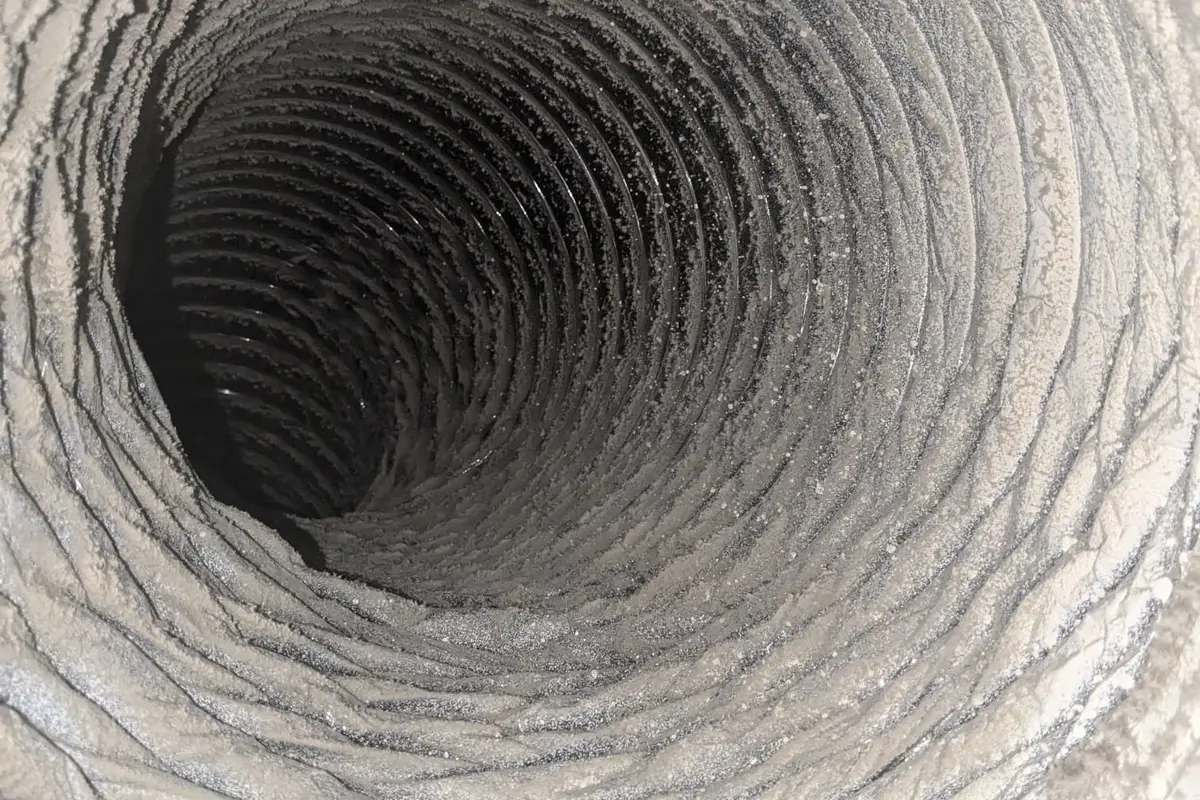
The HVAC strategy for cedar season is straightforward: seal the house, run the system continuously for filtration even on mild days, and change the filter monthly. Your ductwork accumulated cedar pollen every day for three months - that residue continues to circulate long after cedar season ends unless the ducts are professionally cleaned.
Spring Allergens (March-May): Oak and Elm
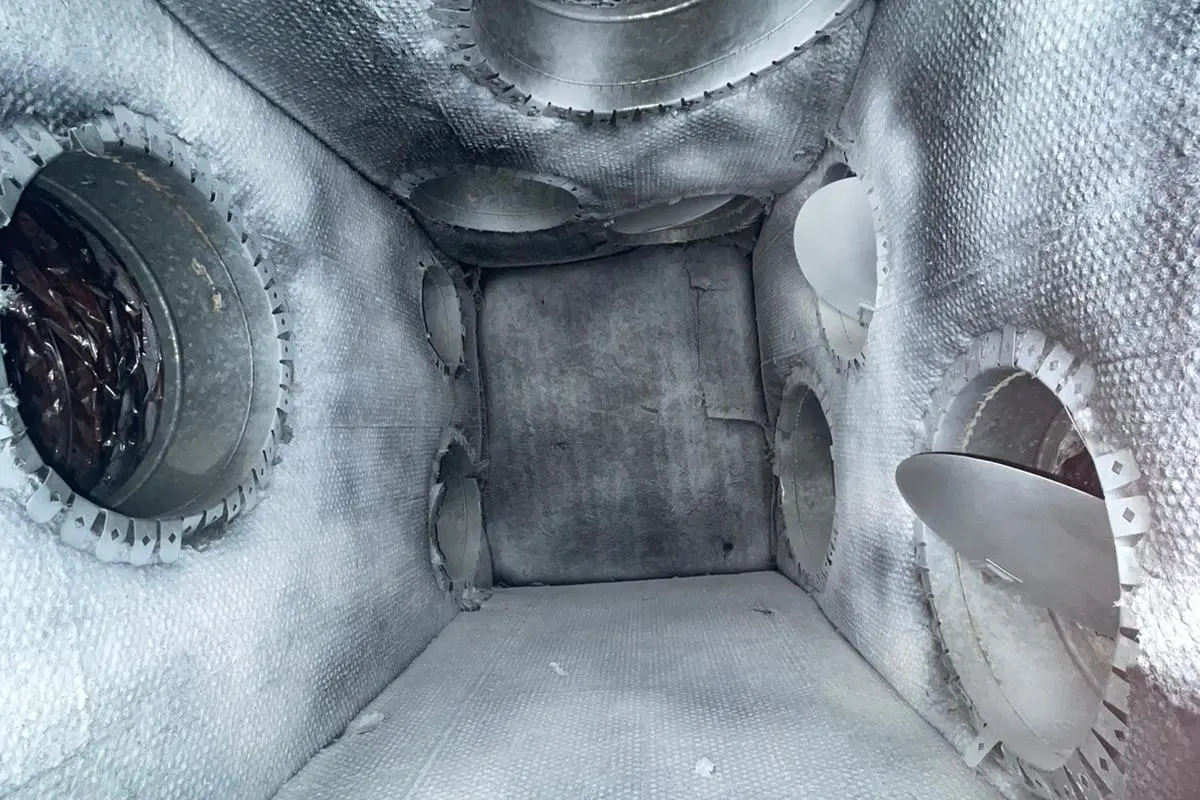
Spring in Austin brings a shift from cedar to tree pollen - primarily oak, elm, and ash. March is the transition month: cedar fades, and oak pollen begins its rapid climb. This makes March the ideal window for duct cleaning. By scheduling cleaning in March, you remove the three months of accumulated cedar pollen from your ductwork before oak season compounds the problem. Install a fresh MERV 11-13 filter immediately after cleaning.
April is peak oak season. Austin's famous live oaks, post oaks, and red oaks release enormous quantities of pollen - counts typically run 1,000-5,000 grains per cubic meter. While lower than cedar peaks, oak pollen is a potent allergen that affects a large percentage of the population. Neighborhoods with heavy live oak canopy - Travis Heights, Zilker, Tarrytown, Old West Austin, and Bouldin Creek - see especially heavy pollen loads. The yellow-green film you notice on cars and outdoor furniture during April is primarily oak pollen, and it infiltrates your home every time a door opens.
Ash pollen overlaps with oak in April, adding another allergen to the mix. Elm pollen, which began in late February, continues through April in some years. For the 30% of Austin residents who are sensitized to multiple tree pollens, April can be as miserable as January's cedar peak.
May brings the transition from tree pollen to grass pollen. Bermuda grass and Johnson grass are the primary offenders in Central Texas, and they begin releasing pollen in late April that continues through October. May is usually a lower-intensity month compared to the peaks on either side, but sensitized individuals still experience symptoms. Change the HVAC filter at the end of April and again at the end of May.
The spring strategy: schedule duct cleaning in early-to-mid March (the single best time of year for cleaning), maintain monthly filter changes through May, and keep the house sealed during high-count days. Monitor local pollen counts through Austin's allergy tracking stations or the KVUE allergy index to know when counts spike.
Summer (June-August): Grass Pollen and Indoor Humidity
Summer shifts the allergen challenge from outdoor pollen to indoor humidity and biological growth. Outdoor grass pollen counts continue through June before tapering in July and August, but the dominant summer threat is what happens inside your home when Austin's humidity peaks.
June still carries moderate grass pollen counts. Bermuda grass and Johnson grass continue releasing pollen, and mowing stirs additional pollen into the air. If you mow your own lawn, change clothes and shower afterward - mowing during grass season throws a concentrated burst of pollen into the air that settles on clothing, skin, and hair, then gets carried inside. HVAC filter changes can shift to every 6-8 weeks during June and July if pollen counts are moderate.
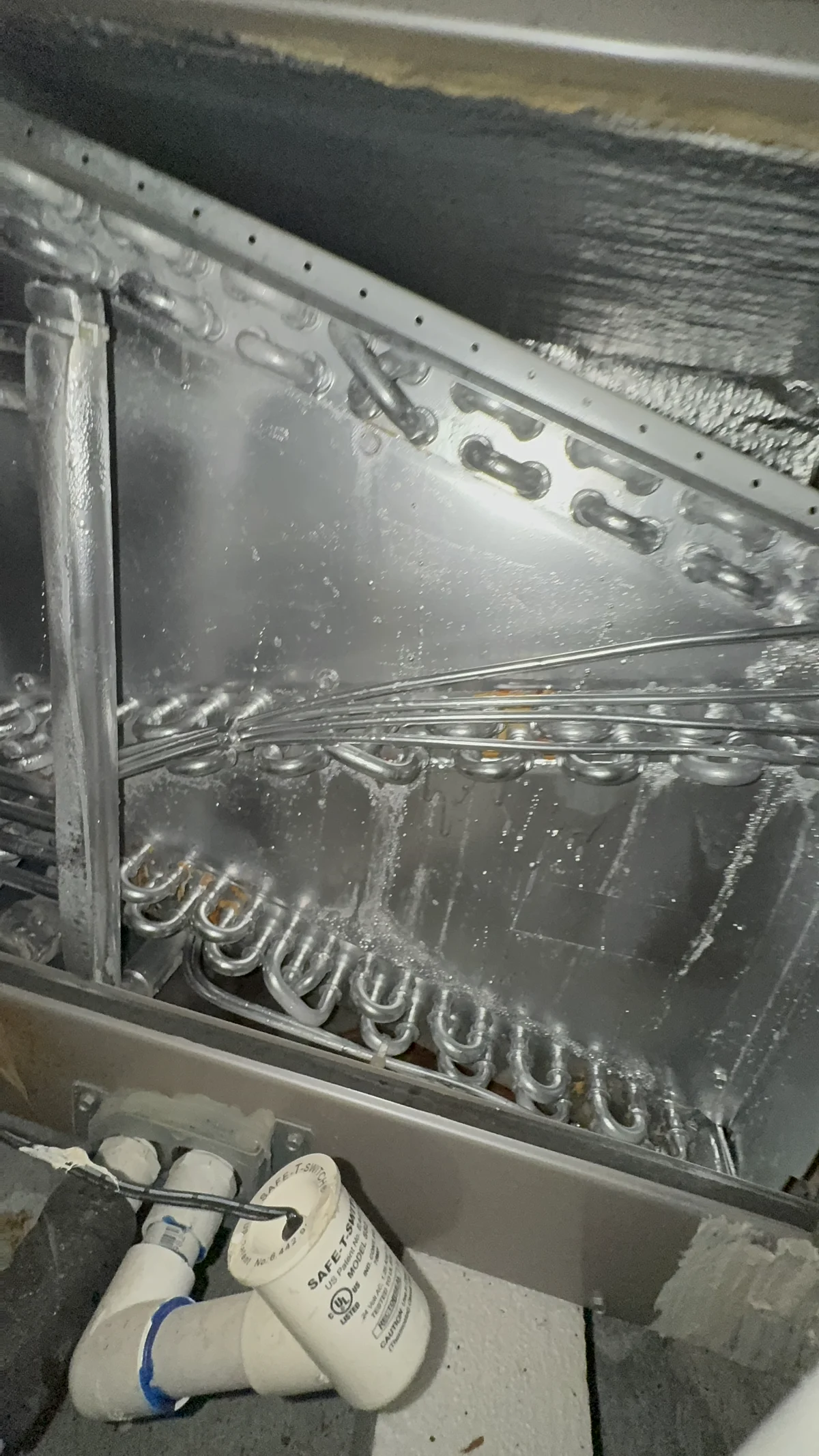
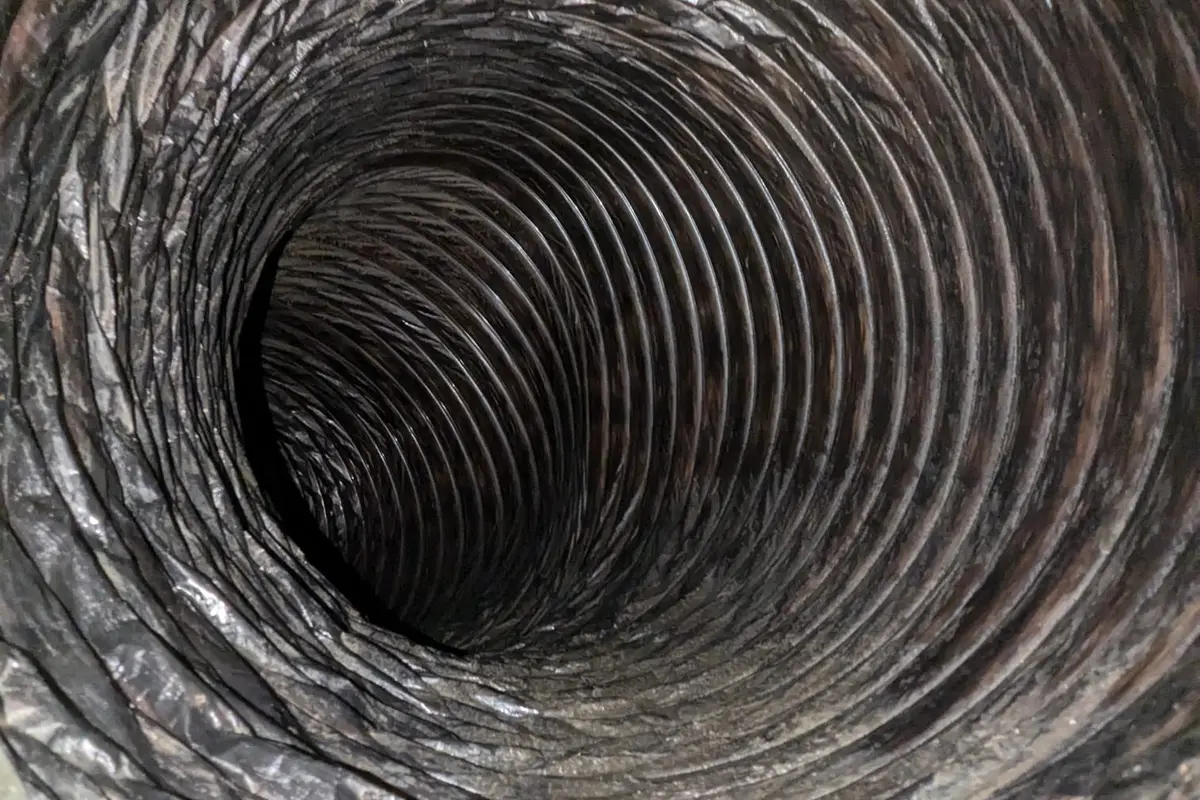
July and August bring Austin's lowest outdoor pollen counts of the year, but indoor allergen risks peak. Morning humidity routinely reaches 80-90%, and daytime humidity stays above 60%. This level of moisture promotes dust mite reproduction (dust mites thrive above 50% relative humidity) and supports biological growth on the evaporator coil, in the drain pan, and inside ductwork - especially in sections near the air handler where condensation is heaviest.
Run your AC consistently during these months, not just for comfort but for humidity control. A properly functioning system removes 5-20 gallons of water from indoor air per day during an Austin summer. Set the fan to AUTO - running the fan in ON mode re-evaporates moisture from the wet coil back into the air, raising indoor humidity. Keep the thermostat at a consistent temperature rather than raising it when you leave, which can allow humidity to climb while the system idles.
This is the best time to schedule annual AC maintenance if you did not do it in spring. Have the evaporator coil cleaned, check the condensate drain line for clogs (the heavy moisture removal during these months frequently causes drain issues), and verify the system is dehumidifying effectively. A hygrometer in a central hallway should read 45-50% when the AC is running well. If it consistently reads above 55%, the system needs attention.
Ready to Get Your System Checked?
Seasonal tune-ups catch small problems before they become expensive emergencies. Same-day service available.
Call (512) 601-4451Estimate how much you could save on energy bills
Fall Allergens (September-November): Ragweed and Dust Mites
Fall brings the return of significant outdoor allergens after the relative calm of summer. Ragweed season begins in September and continues through November, with peak counts in late September and October. Austin-area ragweed pollen typically runs 500-2,000 grains per cubic meter - lower than cedar but still potent enough to cause significant symptoms in the estimated 15-20% of the population that is ragweed-sensitized.
October adds fall elm pollen to the mix, creating another overlap period similar to the February-March cedar-to-oak transition. The AAFA identifies ragweed as one of the most common allergen triggers in the United States, affecting approximately 26% of the adult population. In Austin, ragweed season coincides with the start of fall activities - football games, outdoor festivals like ACL, and children returning to school - making exposure difficult to avoid.
Dust mite populations typically peak in fall after building through the humid summer months. The colonies that established during July and August's high humidity have had months to reproduce, and their waste accumulates in ductwork, bedding, and upholstered furniture. Even as outdoor humidity begins to drop in October, the dust mite populations built during summer persist indoors.
Switch back to monthly HVAC filter changes in September. This is the second-best window for duct cleaning if you did not schedule it in spring. Cleaning in September or early October removes the summer's accumulated biological growth and dust mite colonies before you seal up the house for the cooler months ahead. Install a fresh MERV 11-13 filter after cleaning.
November is the preparation month. Ragweed and elm pollen fade by mid-November, giving you a brief window of lower allergen counts before cedar season returns in December. Use this window to ensure your HVAC system is ready: fresh filter installed, ducts cleaned if needed, and the heating system tested. Many Austin homes switch from cooling to heating in November - the first time the furnace fires, it burns off dust that accumulated on the heat exchanger, which can temporarily spike indoor particulate levels. Run the system for an hour with windows cracked on the first heating day to flush out the initial burn-off.

HVAC Strategy for Year-Round Allergy Defense
Use MERV 11-13 filters year-round. Change monthly during peak seasons (January-April and September-November) and every 6-8 weeks during lower-pollen months (May-August). The difference between a 30-day-old filter and a 60-day-old filter is significant during heavy pollen periods - a saturated filter passes more allergens and restricts airflow, making your system work harder.
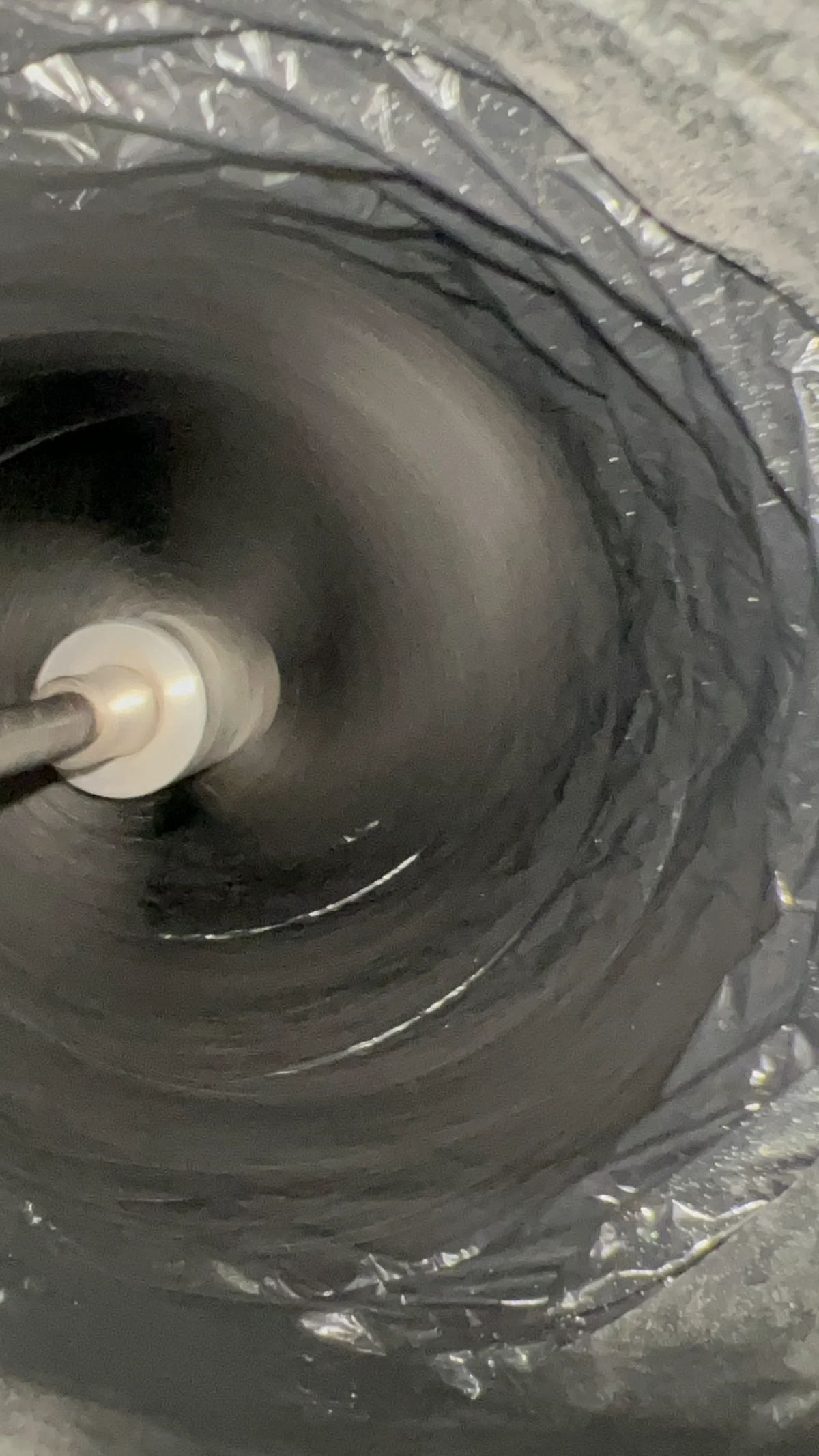
Schedule professional duct cleaning once per year or every other year, timed to early spring (after cedar ends in March) or late fall (before cedar returns in December). This single appointment removes the accumulated allergen load from the preceding season and prepares your system for the next one. For households with severe allergies, annual cleaning provides the cleanest possible duct system year-round.
Run the fan in AUTO mode, not ON. In ON mode, the fan runs continuously even between heating or cooling cycles. This re-evaporates moisture from the wet evaporator coil back into the air (raising humidity and supporting mold and dust mites) and recirculates settled particles that would otherwise remain at rest in the ductwork between cycles. AUTO mode runs the fan only during active heating or cooling, when air is being filtered and conditioned.
Consider UV-C germicidal light installation in the air handler. UV-C at 254nm wavelength destroys the DNA of mold spores, bacteria, and some allergens as air passes through the system. This adds a continuous layer of protection that works 24/7 regardless of the season. For households with multiple allergy sufferers, the combination of clean ducts, MERV 13 filtration, humidity control, and UV-C light provides the strongest possible indoor air defense against Austin's relentless allergen calendar.
If multiple family members have allergies, consider a whole-home air purification system that installs in the air handler and treats all the air passing through the duct system. These systems run $1,500-$3,000 installed but provide year-round filtration beyond what a standard MERV filter can achieve. Combined with regular duct cleaning and monthly filter changes during peak seasons, this gives you the strongest possible indoor air quality defense against Austin's year-round allergen challenges.
Related Services
Learn more about our professional services related to this topic:
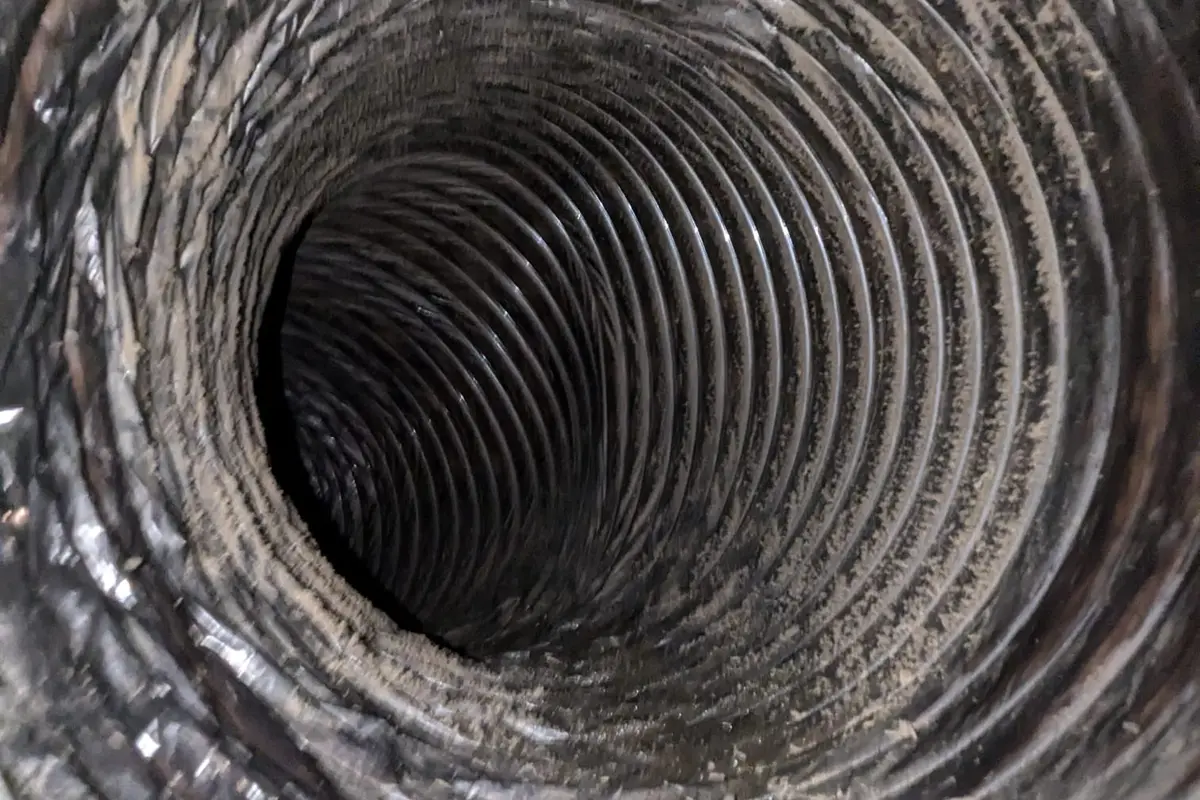
- Air Duct Cleaning - Remove dust, allergens, and debris from your entire HVAC system for cleaner indoor air.
- Dryer Vent Cleaning - Clear lint buildup to prevent fires and cut drying time in half.
- Chimney Sweep & Repair - Professional cleaning and 21-point safety inspection for your fireplace.
- Attic Insulation - Premium blown-in insulation to cut energy costs and improve year-round comfort.
Want the full picture?
Read our complete guide: Austin HVAC Seasonal Maintenance: Month-by-Month Guide (2026) →Have questions about seasonal guides? Our team is available 7 days a week. Call us at (512) 601-4451 or visit our contact page.